Ryanair boss says 'foreign object' may have broken plane window
Source Entity
BBC News
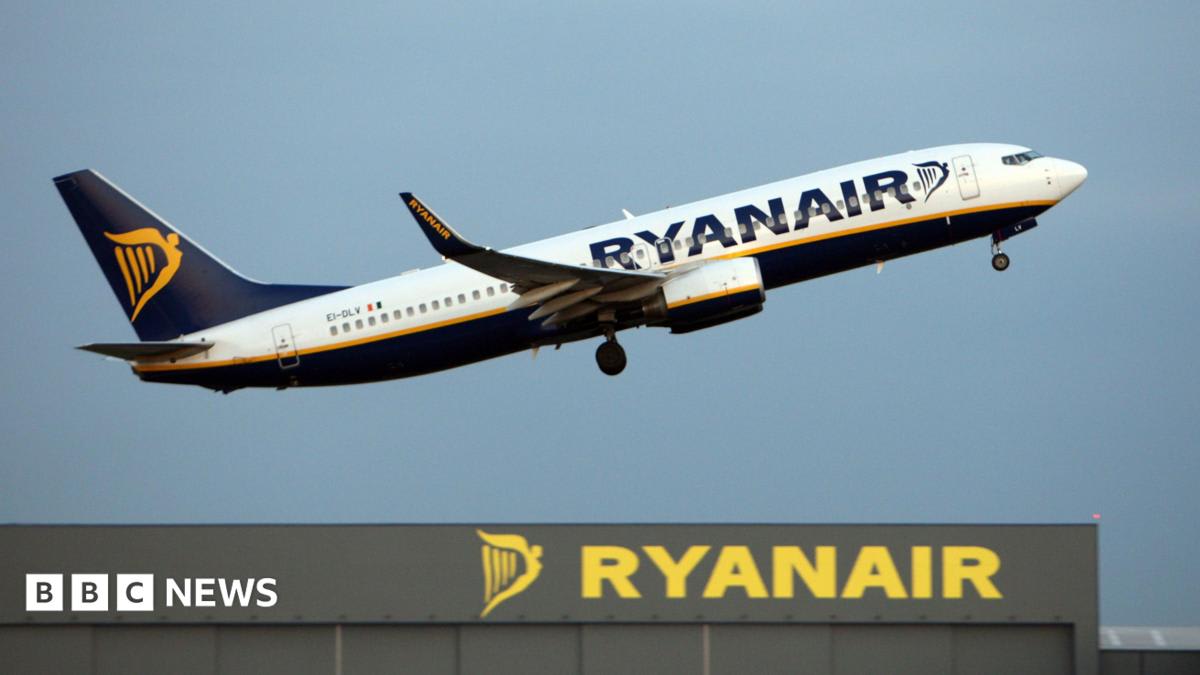
Ryanair CEO Michael O'Leary suggests foreign object damage caused a mid-air window failure on a Boeing 737, which left a passenger partially sucked out of the cabin. The airline maintains that the 18-year-old aircraft had received proper maintenance despite the severe incident.
Analysis of the Ryanair In-Flight Window Incident
The Incident and Immediate Aftermath
On July 10, a terrifying mid-air event occurred on a Ryanair flight traveling from Greece to Germany, resulting in a passenger, Ljubisa Karović, being partially sucked out of a cabin window. The severity of the situation cannot be overstated; Karović suffered significant injuries and trauma as his head and shoulder were exposed to the external environment. The intervention of his wife, Svetlana Grković Maksimović, and two other passengers who held onto his legs, was critical in preventing a potentially fatal outcome.
Investigating the Cause: Foreign Object Damage
Ryanair CEO Michael O'Leary has pointed toward "foreign object damage" (FOD) to the engine during takeoff in Thessaloniki as the primary suspect for the structural failure. While O'Leary emphasized that this remains a preliminary assessment rather than a definitive conclusion, the theory suggests that debris on the runway may have compromised the engine, leading to secondary issues that impacted the integrity of the aircraft's window. This underscores the persistent threat that runway debris poses to aviation safety, a concern that continues to drive strict airport maintenance protocols globally.
Maintenance and Fleet Age Considerations
Questions regarding the age of the aircraft have naturally emerged, given that the Boeing 737 involved was 18 years old. O'Leary has proactively defended the airline's maintenance record, asserting that the engine had undergone a full service and overhaul within the last two years. This highlights the aviation industry's rigorous regulatory framework, which mandates periodic overhauls to ensure that older airframes remain airworthy and safe for commercial operation, regardless of their chronological age.
Broader Implications for Aviation Safety
This incident serves as a stark reminder of the complexities inherent in aviation engineering. Even with stringent maintenance schedules, unpredictable events—such as FOD or unforeseen structural fatigue—can occur. The aviation industry relies on a "Swiss cheese" model of safety, where multiple layers of protection are designed to prevent disaster. In this instance, the quick thinking of fellow passengers acted as the final, crucial layer of defense.
Future Trends and Regulatory Oversight
Looking forward, this event will likely trigger a deeper review of engine monitoring systems and debris management at airports like Thessaloniki. Investigators will focus on analyzing the engine components to confirm if FOD was indeed the catalyst. As airlines continue to operate aging fleets in a post-pandemic travel surge, the pressure on maintenance, repair, and overhaul (MRO) facilities will grow, likely leading to more advanced predictive maintenance technologies being integrated into existing safety protocols.
Conclusion
The survival of Ljubisa Karović is a testament to human instinct and cooperation in the face of sudden crisis. While Ryanair works to substantiate the link between the engine damage and the cabin window failure, the aviation community will undoubtedly scrutinize the findings to improve safety standards. The incident highlights that despite decades of technological advancement, the margin for error in aviation remains narrow, necessitating constant vigilance from both operators and airport authorities.