Row escalates in Ukraine over army chief's future
Source Entity
BBC News
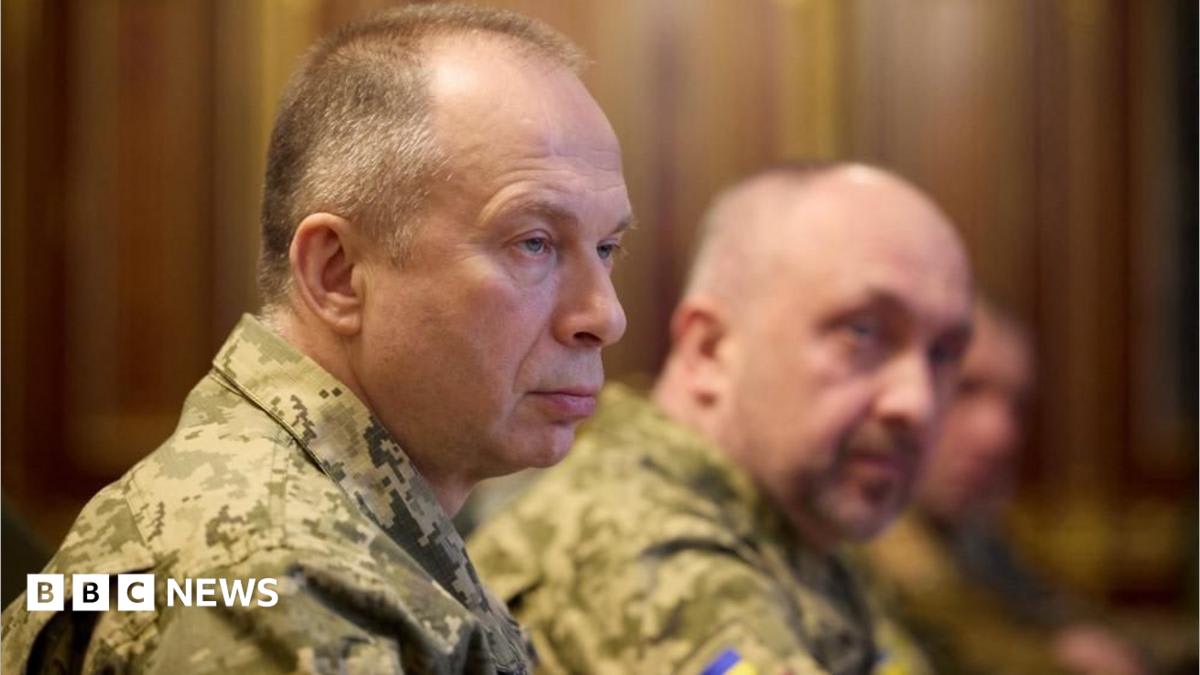
Ukrainian President Volodymyr Zelensky has dismissed Commander-in-Chief Oleksandr Syrsky following intense public protests and political instability. The move follows the controversial ousting of popular Defence Minister Mykhailo Fedorov, with Mykhailo Drapaty now appointed to lead the Armed Forces.
The Reshuffling of Ukraine's Military Leadership
The political landscape in Kyiv has undergone a significant transformation following President Volodymyr Zelensky’s decision to dismiss Commander-in-Chief Oleksandr Syrsky. This move, executed on a Tuesday, marks the culmination of a period of intense public pressure and internal military strife. The removal of the 60-year-old commander, who had been a central figure since 2024 and previously led the defense of Kyiv in 2022, signifies a major pivot in the administration's security strategy.
The Catalyst: Protests and Political Friction
The dismissal followed days of escalating demonstrations in support of the ousted Defence Minister, Mykhailo Fedorov. Fedorov, recognized for his tech-savvy approach and reformist agenda, had alleged that Syrsky was actively obstructing his efforts to modernize the military. This friction between the traditional, Soviet-trained military establishment represented by Syrsky and the reform-minded civilian leadership created a vacuum of trust that manifested in public unrest.
The Ultimatum and Public Sentiment
Public dissatisfaction reached a fever pitch when army veterans, including Dmytro Koziatynskyi, issued a public ultimatum. Demonstrators demanded not only the removal of Syrsky but also the reinstatement of Fedorov, setting a deadline of Friday, July 24th. The threat of an open-ended, nationwide protest forced the hand of the administration, which had been engaged in frantic consultations with generals and ministers throughout the preceding weekend.
Strategic Implications of the Change
By appointing Mykhailo Drapaty as the new Commander-in-Chief, Zelensky appears to be signaling a transition toward new leadership dynamics. Drapaty, the former joint forces commander, steps into a role defined by the urgent need to balance ongoing defensive operations with the demands for military reform. The appointment is a calculated risk aimed at quelling the unrest that threatened to destabilize the home front during a critical phase of the war.
Historical Context and Future Outlook
Oleksandr Syrsky’s legacy remains tied to the early, desperate days of the 2022 invasion, yet his departure highlights the shifting expectations of the Ukrainian public and political class. The conflict reflects a broader struggle within the state to transition from a legacy-based military structure to a modernized, agile force. As Ukraine awaits the impact of this leadership change, the focus will remain on whether Drapaty can bridge the gap between military tradition and the civilian-led reform agenda.
Conclusion
While the immediate crisis has been addressed through the dismissal of Syrsky, the long-term stability of the military hierarchy remains uncertain. The administration must now navigate the expectations of the populace, who have demonstrated their capacity to influence high-level political decisions. The coming weeks will be crucial in determining whether this change fosters the internal cohesion required to sustain the war effort.
Multiple Citing Sources