Internet fumes at Karan Wahi for comparing women today with his mother's generation: ‘He wants them to endure silently?’
Source Entity
Latest News: Today's Latest News Headlines from India & World | Hindustan Times | Hindustan Times
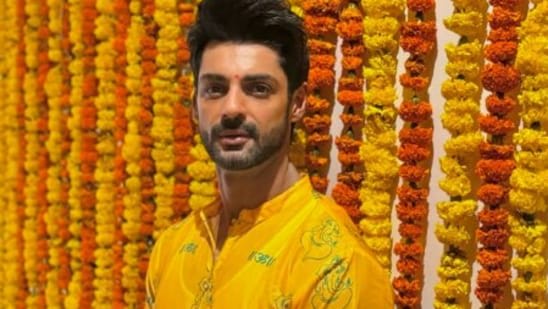
Actor Karan Wahi is facing significant online backlash for suggesting that modern women are too quick to leave relationships compared to his mother's generation. Critics argue his comments promote regressive expectations of silent endurance in women.
The Controversy Surrounding Karan Wahi's Views on Modern Relationships
Actor Karan Wahi has recently become the subject of intense social media scrutiny following remarks he made regarding the shifting dynamics of contemporary relationships. During a candid conversation, Wahi expressed a personal apprehension about modern dating, suggesting that he feels men are often the ones who provide more stability and loyalty, while implying that women today are more prone to 'slipping' or abandoning relationships. This perspective, which contrasts modern relationship standards with the experiences of his mother’s generation, has sparked a heated debate across digital platforms.
The Comparison to Previous Generations
The crux of the backlash stems from Wahi’s specific comparison between his mother’s approach to marital and relational conflict and the behavior of women today. Wahi highlighted that his mother would 'quietly deal' with her dissatisfaction, managing her issues internally and choosing to endure rather than exit. By framing this silence as a contrast to the perceived 'independence' of modern women, Wahi inadvertently positioned the quiet endurance of previous generations as a virtue that is currently lacking, a stance that many internet users have interpreted as inherently regressive.
Redefining Independence and Agency
Critics of Wahi’s comments argue that he has fundamentally misunderstood the concept of independence. While Wahi suggests that some women have taken independence in a 'different way'—implying a lack of commitment—many observers contend that what he perceives as 'slipping' is actually the exercise of personal agency and boundary-setting. The transition from a culture of silent endurance to one where individuals, particularly women, feel empowered to leave unhappy or unfulfilling situations is a hallmark of modern social progress, yet it remains a point of friction in traditionalist discourse.
The Gendered Fear of Vulnerability
Wahi’s admission that he feels 'scared' in the modern dating landscape reveals a deeper anxiety regarding shifting power dynamics. By asserting that he would be the one 'giving more' or being 'more loyal,' he taps into a common narrative that portrays men as the victims of changing social norms. This sentiment is often echoed in contemporary debates about the 'crisis of masculinity,' where traditional roles are being challenged, leading to discomfort among those who were accustomed to a different set of societal expectations.
Cultural Implications and Public Reaction
The internet’s reaction has been swift and largely critical, with many labeling his comments as 'tone-deaf.' The public discourse highlights a growing intolerance for narratives that suggest women should return to the silent endurance of the past. As society continues to navigate the complexities of gender equality, public figures like Wahi find themselves at the center of a cultural tug-of-war, where every opinion on relational dynamics is dissected through the lens of modern feminist values.
Concluding Thoughts
Ultimately, the controversy serves as a stark reminder of the divide between traditional expectations and modern realities. While Wahi attempted to qualify his statements by noting that he does not believe all women are 'bad' or all men are 'good,' the damage was done by the inherent comparison to a past that many view as oppressive. Whether this event impacts his public image remains to be seen, but it undoubtedly underscores the sensitivity of discussing gender roles in the digital age.
Verification Required?