Shiv Sena UBT leader Aaditya Thackeray writes to CM Fadnavis over 935 Pagdi buildings
Source Entity
India Latest News: Top National Headlines Today & Breaking News | The Hindu
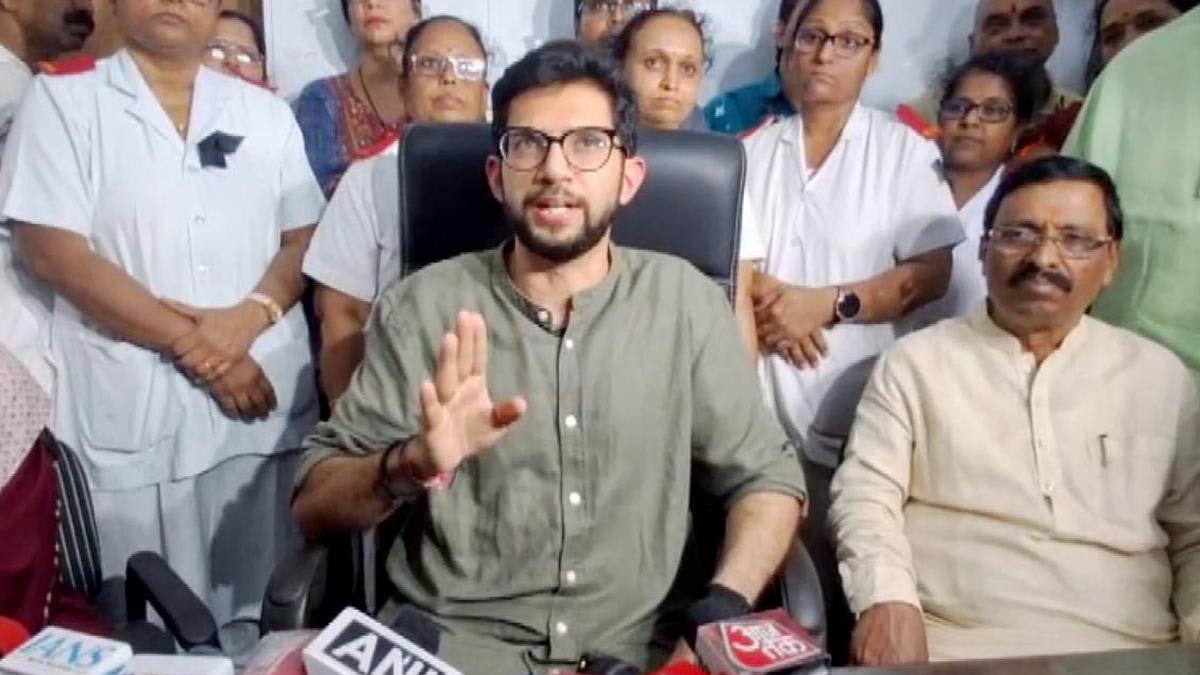
Shiv Sena (UBT) leader Aaditya Thackeray has urged CM Devendra Fadnavis to enact reforms to facilitate the urgent redevelopment of 935 dangerous 'pagdi' buildings in Mumbai. The proposal seeks to resolve long-standing legal hurdles and grant ownership rights to non-cessed pagdi tenants.
Addressing Mumbai’s Critical Housing Crisis: The Pagdi Building Dilemma
Shiv Sena (UBT) leader Aaditya Thackeray has formally addressed Chief Minister Devendra Fadnavis regarding the urgent need for policy reforms concerning 935 'pagdi' buildings in Mumbai identified as highly dangerous. This appeal highlights a long-standing impasse in the city’s urban renewal efforts, where the unique legal status of these properties has effectively stalled redevelopment for years. The core of the issue lies in the archaic nature of the 'pagdi' system, a semi-ownership arrangement that has become a significant hurdle in modernizing Mumbai's aging infrastructure.
Understanding the Pagdi System
The 'pagdi' system is a unique tenanted model where occupiers paid a substantial one-time sum to the landlord, followed by a nominal monthly rent. This arrangement, which provides tenants with semi-ownership rights, was formalized under the Maharashtra Rent Control Act of 1999, effective from 2000. While it once provided affordable housing stability, the system now creates a complex web of legal entanglements between landlords and tenants, making the redevelopment of these structures nearly impossible without significant state intervention.
Legal Obstacles and Judicial Intervention
Aaditya Thackeray’s letter, dated November 25, specifically calls upon the state government to present robust arguments during upcoming Supreme Court hearings. The goal is to clear the legal logjam that has prevented the demolition and reconstruction of these 935 dangerous structures. By failing to intervene effectively in the judiciary, the state has allowed these buildings to languish in a state of decay, posing a direct threat to the lives of thousands of residents who reside in these dilapidated, cessed, and non-cessed properties.
Proposed Legislative Reforms
Beyond just clearing legal hurdles, the proposal advocates for a specific legislative shift during the upcoming winter session of the state assembly. Thackeray is urging the government to introduce a law that would grant ownership rights to non-cessed pagdi tenants free of cost. This move is designed to simplify the ownership structure, incentivize redevelopment, and provide long-term security to residents who have effectively occupied these homes for generations.
Broader Implications for Urban Development
The implications of this request are significant for Mumbai’s real estate landscape. If the state government acts on these demands, it would set a precedent for managing the city's aging housing stock. By formalizing ownership and removing the 'pagdi' barrier, the government could unlock vast amounts of land for modern, safe housing, potentially revitalizing dense urban pockets that have remained stagnant due to litigation and lack of developer interest.
Conclusion
The situation involving the 935 pagdi buildings serves as a microcosm of Mumbai’s broader struggle between heritage protection and the necessity of urban safety. Aaditya Thackeray’s intervention signals a push for the state to prioritize human safety over administrative inertia. Whether the government moves to adopt these legislative changes will determine if these residents finally gain secure ownership and a safe living environment, or if these structures will continue to be a volatile reminder of the city's unresolved housing legacy.
Verification Required?