Cabinet clears bills to raise Lok Sabha seats by 50%, freeze delimitation till 2051
Source Entity
KUMAR RAKESH AND DIPAK K DASH
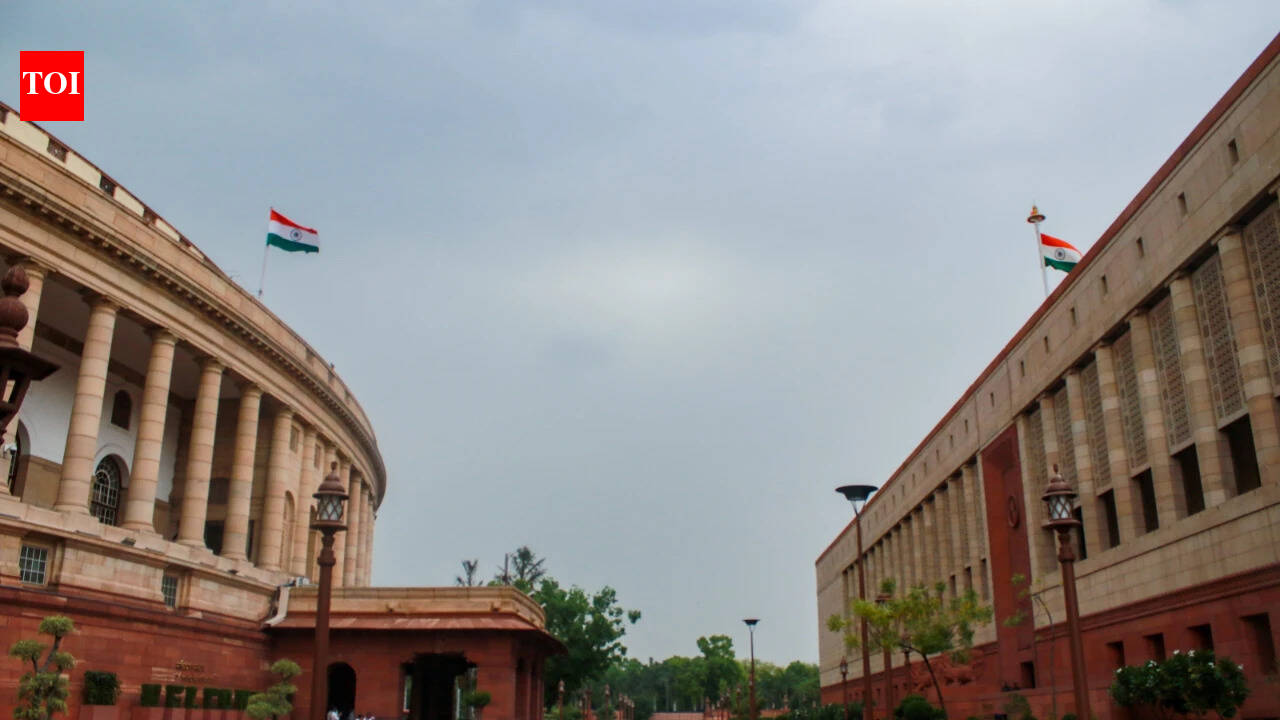
The Indian government has called for a special parliamentary session starting November 30, 2026, to revisit the Constitution (131st Amendment) Bill. This session aims to address the stalled delimitation process and the 33% women's reservation quota ahead of the 2029 general elections.
Special Parliament Session: A Strategic Push for Legislative Reform
The Indian government has officially proposed a special parliamentary session, with the Lok Sabha scheduled to reconvene on November 30, 2026, and the Rajya Sabha on December 2, 2026. This move, announced by Parliamentary Affairs Minister Kiren Rijiju, signals a renewed push to address critical legislative business that has remained in a state of flux following previous parliamentary setbacks. The primary agenda revolves around the controversial Constitution (131st Amendment) Bill, which seeks to fundamentally restructure the composition of the Lok Sabha.
The Challenge of the 131st Amendment
At the heart of the upcoming session is the ambitious plan to raise the Lok Sabha ceiling to 850 seats while simultaneously implementing a 33% reservation for women. This legislative package is viewed as a prerequisite for the 2029 general elections. However, the proposal faces a difficult history; in April 2026, the bill failed to secure the necessary two-thirds majority in the Lok Sabha. This defeat was a significant political moment, marking the first time a constitutional amendment introduced by the National Democratic Alliance (NDA) government since 2014 was rejected by the House.
Delimitation and Electoral Integrity
Beyond the gender quota, the session is expected to reopen the contentious debate over delimitation. The government previously withdrew two linked bills that mandated delimitation based on the 2011 census and proposed administrative changes for union territories. The current atmosphere is marked by heightened scrutiny, with opposition parties voicing concerns regarding the 'Special Intensive Revision' of electoral rolls. These concerns suggest that the upcoming debate will not merely focus on the mechanics of seat allocation, but also on the transparency and procedural fairness of the electoral processes that underpin Indian democracy.
Legislative Strategy and Political Stakes
By calling for this special sitting, the government is clearly aiming to reclaim its legislative momentum. The necessity of a two-thirds majority for constitutional amendments places the administration in a position where it must negotiate across the aisle or consolidate its support base more effectively than it did in April. Ministers have been instructed to prepare rigorously for these discussions, reflecting the high stakes involved in passing legislation that will permanently alter the representational landscape of India.
Future Implications and Conclusion
If successful, this session could pave the way for a more diverse Lok Sabha by 2029, integrating a larger percentage of women representatives while modernizing the size of the House to reflect current population trends. However, the failure to secure consensus could lead to further delays in delimitation, potentially stalling critical administrative reforms. As the session approaches, the focus will remain on whether the government can navigate the complex balance between institutional reform and the skepticism of the opposition parties.
Multiple Citing Sources