Aamir Khan’s Arjuna-winning ‘coach’ fights to save Indore akhada
Source Entity
LITHA ACHARI
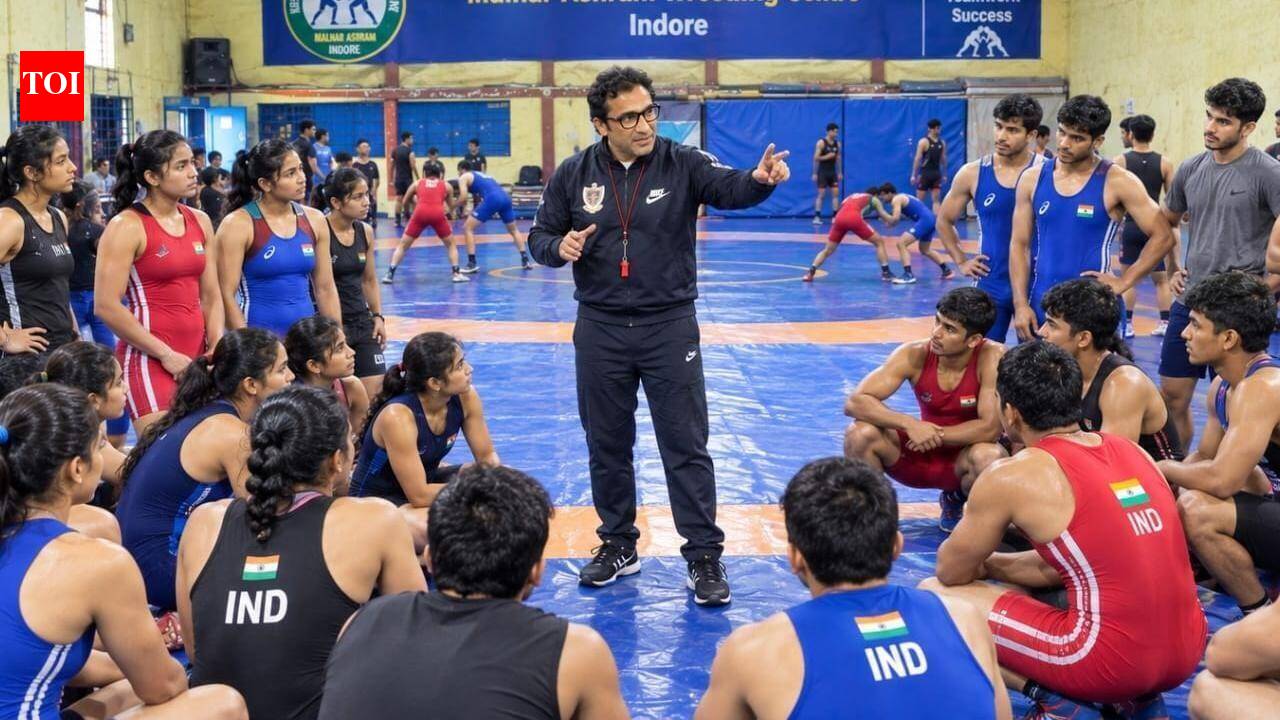
Arjuna Award-winning coach Aamir Khan is struggling to maintain his traditional Indore akhada due to financial constraints and lack of support. His efforts highlight the ongoing challenge of preserving indigenous Indian wrestling traditions in a modern era.
The Struggle for Tradition: Saving the Indore Akhada
A Legacy Under Siege
The recent reports surrounding Aamir Khan, an Arjuna Award-winning coach, shed light on the precarious state of traditional Indian wrestling, or 'kushti,' in contemporary society. Khan is currently engaged in a difficult battle to keep his 'akhada' (a traditional wrestling pit) in Indore operational. Despite his accolades and contribution to the sport, the facility is facing significant hurdles that threaten its existence, reflecting a broader crisis for indigenous sports in India.
The Role of the Akhada in Modern Society
Historically, the akhada served as the bedrock of Indian wrestling, functioning as both a training ground and a community hub. These spaces were traditionally self-sustained through community patronage and local pride. However, as modern commercial gyms and sports complexes gain prominence, the traditional akhada faces an existential threat. Khan’s struggle is not merely personal; it is a symptom of how traditional institutions are losing their funding and cultural relevance in an increasingly urbanized landscape.
Financial Constraints and Institutional Neglect
At the core of the issue are the financial constraints that plague coaches dedicated to grassroots development. While elite athletes receive government support, the infrastructure required to cultivate talent at the local level—like Khan’s akhada—often falls through the cracks. The lack of sustainable funding models for these traditional centers means that mentors are often forced to shoulder the burden of maintenance alone, leading to the gradual decay of these vital training grounds.
The Importance of Preserving Indigenous Heritage
The Arjuna Award is a testament to Khan’s expertise and dedication to the sport of wrestling. When an individual of such caliber struggles to maintain a training facility, it signals a failure in our current sports ecosystem to adequately support the pillars of our athletic heritage. Preserving these akhadas is essential, as they provide a unique, discipline-oriented environment that fosters character, physical strength, and cultural continuity among the youth.
Future Outlook and Societal Responsibility
Looking ahead, the future of traditional wrestling in cities like Indore depends on a shift in how society and the government value these spaces. If the current trend of neglect continues, we risk losing the very institutions that have produced India’s greatest wrestling talents. A collaborative approach, involving both private CSR initiatives and state-level sports boards, is necessary to ensure that coaches like Aamir Khan can focus on training the next generation rather than fighting for the survival of their gym.
Conclusion
The fight to save the Indore akhada is a poignant reminder of the fragility of our sporting traditions. It serves as a call to action for stakeholders to recognize the value of these ancient training grounds. Without intervention, we risk commodifying sports to the point of losing the cultural essence that defines the spirit of Indian wrestling.