Corridors of Power | AAP’s ‘little Lutyens’, MP’s ‘gospel’, night on floor for IAS officers
Source Entity
Kanchan Vasdev
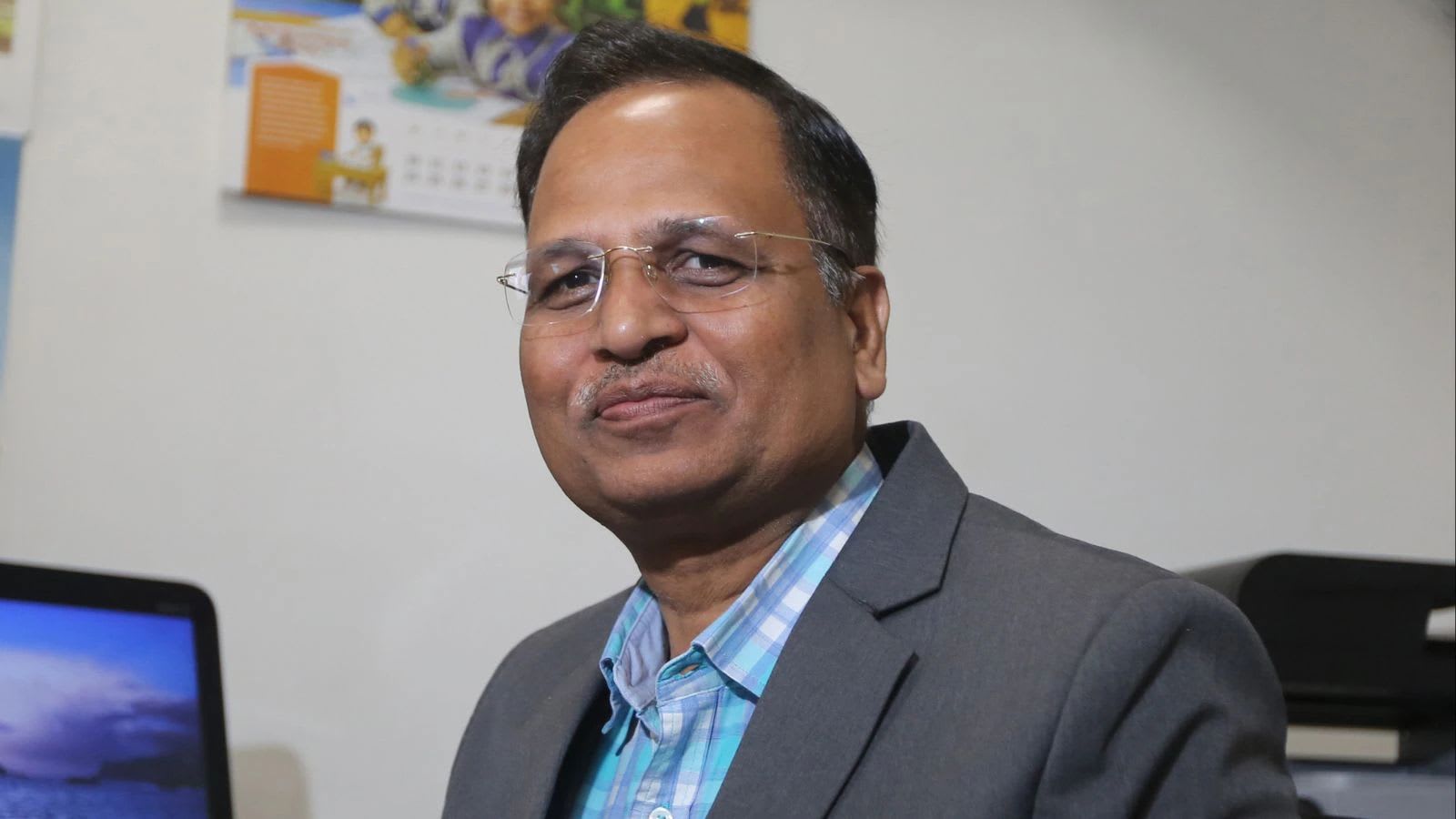
The growing influence of Delhi-based Aam Aadmi Party leaders in Punjab governance has sparked political controversy. Recent ED raids on properties linked to party figures have intensified scrutiny regarding administrative centralization and the 'Delhi model' of governance.
The Delhi-Punjab Power Shift: A Shift in Governance
Chandigarh’s Sector 39, historically reserved for high-ranking ministers and senior bureaucrats, has undergone a symbolic transformation. The occupation of these plush, sprawling government bungalows by Aam Aadmi Party (AAP) leaders from Delhi has led political observers to label the area a 'little Lutyens Delhi.' This shift represents more than just a change in residency; it signifies the increasing centralization of Punjab’s administrative decision-making within the broader AAP organizational structure based in the national capital.
The Political Storm: From Whispers to Raids
For months, the influence of Delhi-based AAP leadership on Punjab’s governance was a subject of quiet speculation among political insiders and the state’s bureaucratic machinery. However, this narrative shifted abruptly following an Enforcement Directorate (ED) search at bungalow number 926. The property, linked to Punjab AAP co-in-charge Satyendar Jain, served as a flashpoint that brought the 'Delhi footprint' into the public eye. What were once private concerns about the autonomy of the Punjab administration have now manifested into a full-scale political controversy.
Bureaucratic Friction and Administrative Control
Reports indicate that the influx of Delhi-based leadership has created a unique dynamic within the local bureaucracy. The presence of these leaders has reportedly led to instances where even senior IAS officers have faced rigorous working conditions, including night shifts on the floor, reflecting a high-pressure approach to governance that mirrors the party’s operational style in Delhi. This demanding administrative environment suggests a deliberate effort to enforce a uniform work ethic across state lines, though it has simultaneously raised questions regarding the morale and traditional protocols of the Punjab civil service.
The Role of Leadership and Policy Directives
Public statements by AAP figures, such as MP Malvinder Singh Kang regarding the Greater Mohali Area Development Authority (GMADA), further underscore the active oversight being exercised by party representatives. By positioning themselves as the primary architects of policy implementation, these leaders are shaping the development trajectory of Punjab in alignment with the party's central vision. This 'gospel' on regional development authorities highlights the shift away from localized, state-specific policy-making toward a more centralized model.
Implications for Future Governance
As the political discourse continues to evolve, the 'little Lutyens' phenomenon in Chandigarh will likely remain a central theme of opposition criticism. The tension between the desire for a centralized 'Delhi-style' governance model and the preservation of regional administrative autonomy is a defining challenge for the current state government. Moving forward, the effectiveness of this model will be measured not only by policy outcomes in sectors like urban development and infrastructure but also by the party's ability to navigate the legal and political scrutiny that follows such high-profile scrutiny from central agencies.