Ahead of October 6 bypoll, West Bengal Police searches house of TMC leader in decades-old cases
Source Entity
India Latest News: Top National Headlines Today & Breaking News | The Hindu
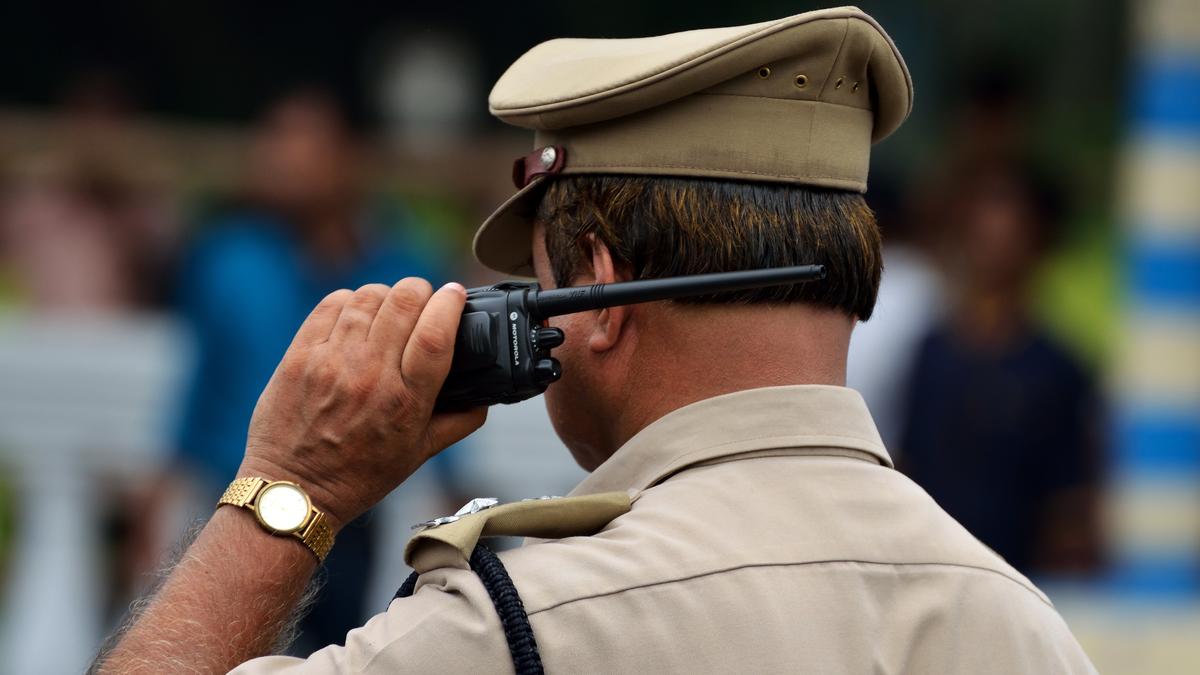
West Bengal Police searched the residence of TMC leader Sheikh Shahabuddin regarding legal cases dating back to 2007-2011. The raid occurs just ahead of the critical October 6 bypoll for the Nandigram Assembly constituency.
Police Raid TMC Leader Ahead of Nandigram Bypoll
On Sunday, September 27, 2026, the West Bengal Police executed a search operation at the residence of Trinamool Congress (TMC) leader Sheikh Shahabuddin in Nandigram. The operation, led by the Nandigram Police Station, was conducted in connection with a series of long-standing legal cases that have remained unresolved for nearly two decades. While the police were present at the scene, Shahabuddin was not at his residence at the time of the search.
Historical Context of the Cases
According to senior police officials, the warrants issued against Sheikh Shahabuddin pertain to specific criminal cases registered between 2007 and 2011. These years represent a volatile period in West Bengal’s political history, marked by intense land acquisition protests and significant shifts in the state's political landscape. The fact that law enforcement is revisiting these cases—some dating back 15 to 20 years—suggests a renewed administrative focus on clearing historical legal backlogs involving prominent local figures.
Political Climate and the October 6 Bypoll
The timing of this police action is highly significant, as it precedes the crucial October 6 bypoll for the Nandigram Assembly seat. Nandigram has historically been a focal point of West Bengal politics, and the vacancy created by Suvendu Adhikari’s departure has intensified the competition between major political factions. The search operation has inevitably drawn scrutiny regarding the intersection of law enforcement activities and the state's electoral calendar.
Implications for Local Governance
For the residents of Nandigram, this development underscores the enduring nature of political litigation in the region. The silence from Sheikh Shahabuddin’s family members regarding the police visit highlights the sensitivity surrounding the investigation. As the bypoll approaches, the ability of local leaders to navigate such legal pressures while maintaining their campaign momentum will be a critical factor in the upcoming election.
Future Trends and Judicial Oversight
Looking forward, the execution of these decades-old warrants may signal a broader trend of state authorities pursuing long-pending criminal cases as part of a wider effort to enforce accountability. However, such actions in the immediate lead-up to an election often invite debates regarding the impartiality of the process. The outcome of the October 6 bypoll, combined with the resolution of these legal cases, will likely shape the future political trajectory of the Nandigram constituency for years to come.
Verification Required?