‘Just the beginning’: Congress stages protests seeking CEC Gyanesh Kumar’s removal
Source Entity
The Indian Express
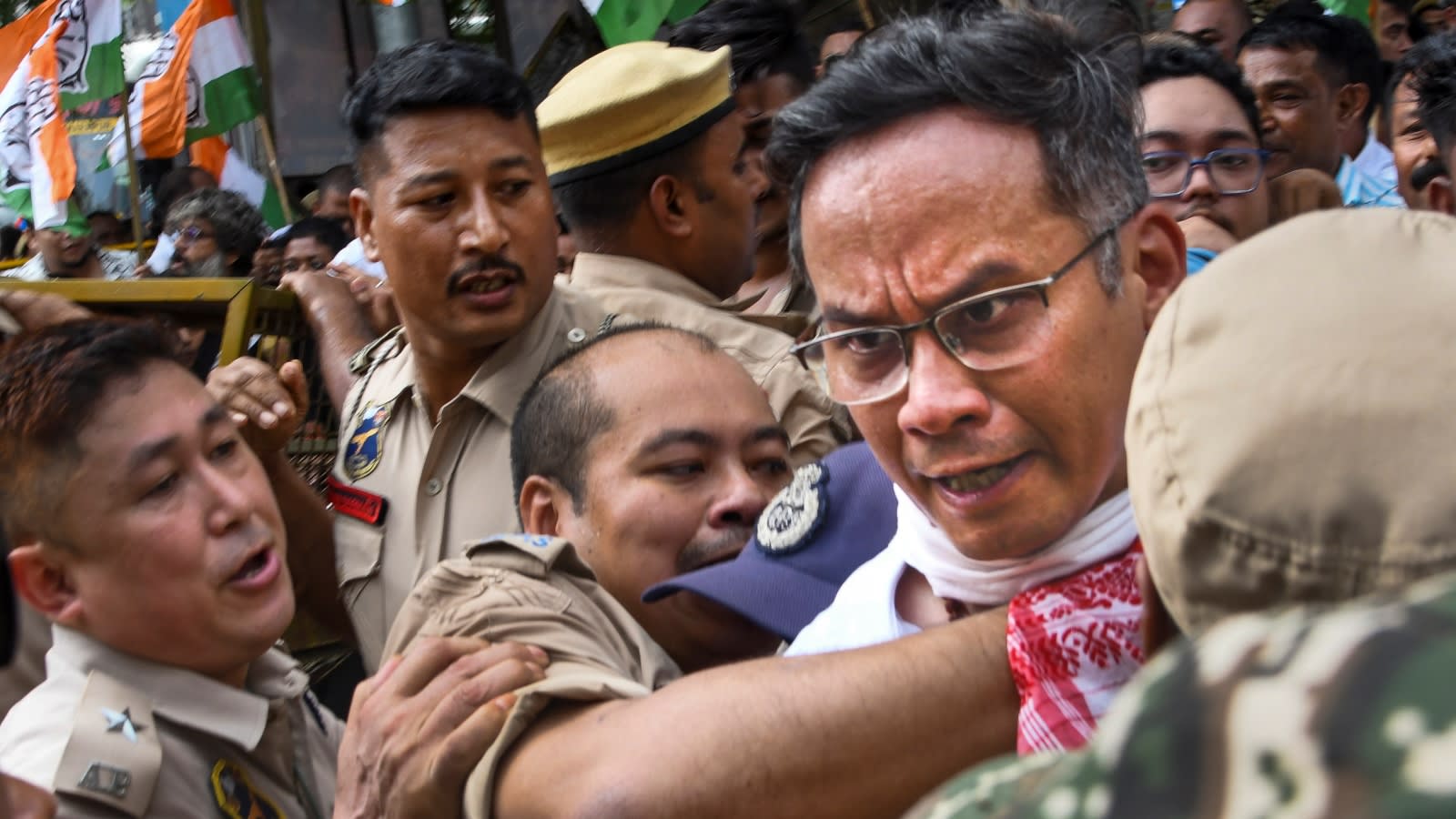
The Election Commission is facing scrutiny following the postponement of an event involving CEC Gyanesh Kumar and allegations of electoral irregularities. While the poll body cites logistical factors, political figures like Chirag Paswan and the Congress party are demanding greater transparency and accountability.
Scrutiny of the Election Commission: Navigating Political and Logistical Challenges
Recent developments involving the Election Commission of India (ECI) have placed Chief Election Commissioner (CEC) Gyanesh Kumar at the center of a brewing political storm. The postponement of an event in Uttar Pradesh, initially linked to the CEC, has been officially attributed by the poll body to routine 'logistical and administrative factors.' However, in the high-stakes environment of Indian politics, such administrative adjustments are rarely viewed in isolation, often becoming lightning rods for broader debates regarding the perceived autonomy and transparency of constitutional bodies.
The Demand for Institutional Accountability
Union cabinet minister Chirag Paswan has publicly urged the CEC to address growing public and political doubts surrounding the ECI’s operations. Paswan’s stance highlights a critical dilemma: the delicate balance between political non-interference and the necessity for the ECI to maintain its credibility. Paswan emphasized that as a political entity, he lacks the mandate to defend an independent constitutional body, arguing that the burden of clearing suspicions rests solely with the Chief Election Commissioner to protect the integrity of the institution.
Allegations of Electoral Irregularities
Simultaneously, the Andhra Pradesh Congress Committee (APCC) has escalated its opposition, staging protests in Vijayawada to demand the removal of CEC Gyanesh Kumar. Led by directives from APCC president Y.S. Sharmila, the party has raised specific concerns regarding the 'Special Intensive Revision' (SIR) of electoral rolls. They have called for an immediate halt to this exercise, citing fears of 'vote theft' and calling for a judicial inquiry to investigate alleged irregularities in the electoral process.
Concerns Over Data Centralization
Central to the Congress party's protest is the alleged centralization of voter data entry. Critics, including APCC vice-president Kolanukonda Shivaji, argue that such centralization could potentially undermine the decentralized role of local electoral administration, which has historically served as a safeguard against mass manipulation. By demanding that courts take suo motu cognizance of these issues, the party is attempting to shift the narrative from political grievance to a matter of legal and constitutional oversight.
The Broader Implications for Electoral Integrity
These events underscore the immense pressure on the ECI to remain a neutral arbiter in an increasingly polarized political landscape. When political parties—whether aligned with the government or in opposition—raise concerns about the internal workings of the ECI, it creates a trust deficit that can impact voter turnout and democratic legitimacy. The ECI’s challenge lies in reconciling its need for administrative flexibility, such as rescheduling events, with the public’s requirement for absolute transparency in electoral procedures.
Future Trends and Outlook
Moving forward, the ECI will likely face continued calls for institutional reform, particularly regarding the transparency of roll revisions and data management. As the political discourse intensifies, the ECI will be forced to move beyond standard press releases regarding 'logistical factors' and engage more directly with the specific, technical grievances raised by political stakeholders. The outcome of these tensions will be a significant indicator of the resilience of India's electoral framework and the public's enduring faith in the sanctity of the ballot.
Multiple Citing Sources