68% fall in donations: AAP looks towards its MLAs, MPs as Punjab goes to polls in 2027
Source Entity
Kanchan Vasdev
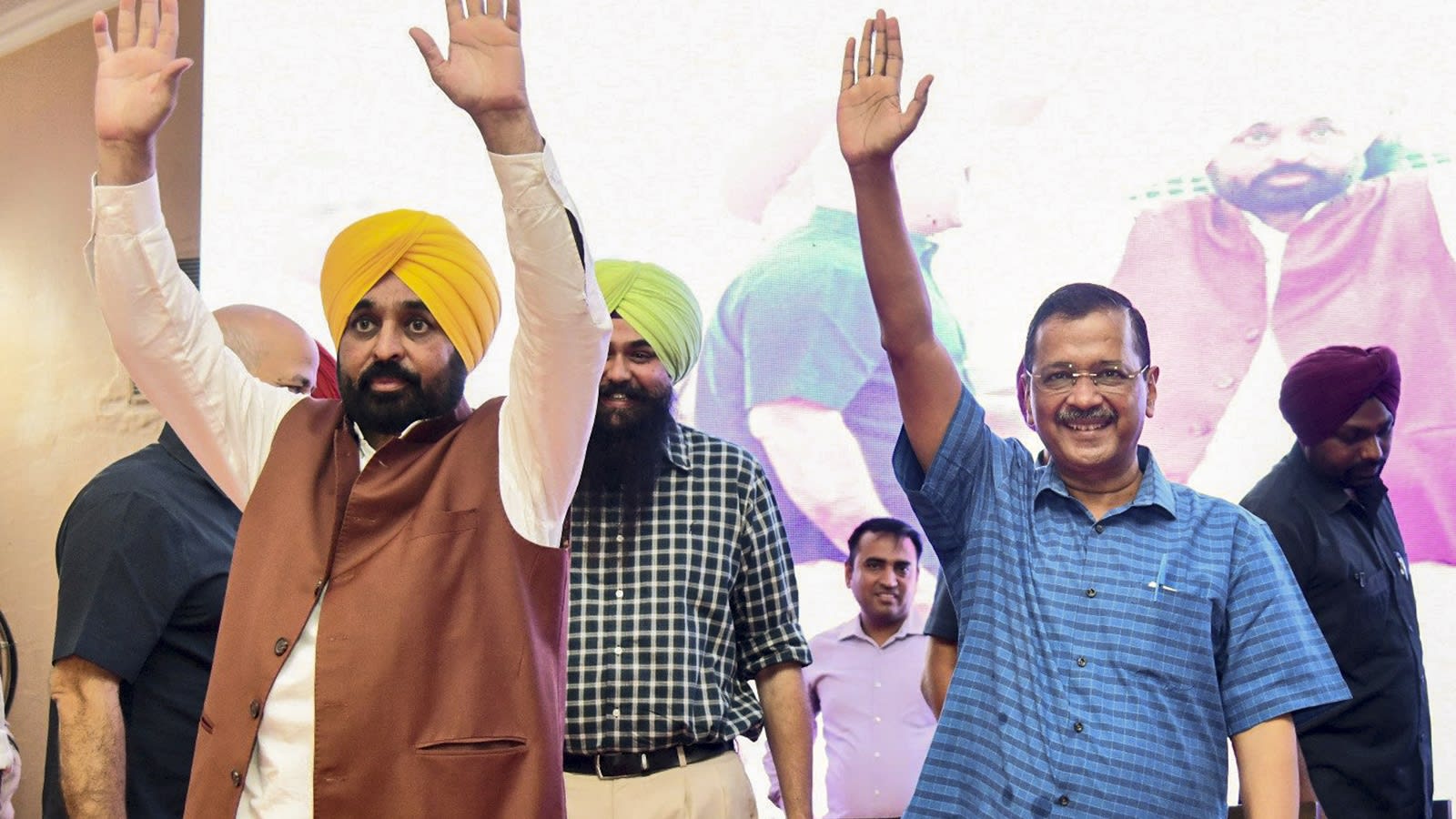
The Aam Aadmi Party (AAP) is facing a significant 68% decline in annual donations, prompting the leadership to turn toward internal funding from MLAs and MPs. This fiscal tightening comes as the party prepares for the critical 2027 Punjab Assembly elections.
Financial Strain and Strategic Realignment in AAP
The Aam Aadmi Party (AAP) is currently navigating a period of significant fiscal adjustment following a sharp decline in voluntary donations. Recent data indicates that the party’s declared donations for the 2025-26 period dropped to Rs 12.09 crore, marking a substantial 68 percent decrease from the Rs 38.10 crore recorded in 2024-25. This contraction in external financial support presents a formidable hurdle for the party’s operational stability as it pivots toward the upcoming 2027 Punjab Assembly election.
The Shift Toward Internal Funding
In response to this budgetary shortfall, the party leadership is increasingly looking toward its own elected representatives—MLAs and MPs—to replenish the organization's coffers. While this reliance on internal contributions is not entirely unprecedented, the urgency behind the move suggests a structural change in how the party plans to sustain its campaign apparatus. The history of this practice dates back to 2017, when the party began its expansion in Punjab, at which point an arrangement was formalized for representatives to contribute Rs 10,000 per month from their salaries to cover office maintenance costs.
Historical Context and Financial Sustainability
To understand the gravity of the current situation, it is necessary to look at the party's donation trajectory. While the 2025-26 figures show a major decline, the party had previously reported Rs 11.06 crore in 2023-24. The fluctuation between these fiscal years reveals a volatile funding cycle. The current dependence on the modest salaries of elected officials raises questions about the long-term sustainability of this model, especially as the demands of a high-stakes state election cycle in Punjab begin to intensify.
Challenges for Elected Representatives
Internal feedback from within the party ranks highlights the growing strain on legislators who are expected to bridge the gap. While many have dutifully contributed for years, there is an emerging conversation regarding the capacity of MLAs and MPs to sustain these payments, particularly as the party has recently signaled a need for increased funds. The burden of funding party operations, in addition to managing local constituency requirements, creates a challenging environment for representatives tasked with maintaining political momentum in a competitive electoral landscape.
Future Trends and Electoral Implications
As the 2027 Punjab Assembly election approaches, the financial health of the AAP will be a decisive factor in its campaign strategy. The party’s ability to mobilize resources will directly impact its reach, advertising, and ground-level mobilization efforts. The reliance on internal party levies suggests a shift toward a more centralized and perhaps constrained financial model. The coming months will be critical in determining whether the party can stabilize its funding streams or if it will need to explore alternative revenue models to remain competitive against entrenched political rivals in the state.