Bhagat Singh To Punjab's Water: AAP Widens Its Political Campaign
Source Entity
NDTV News Search Records Found 1000
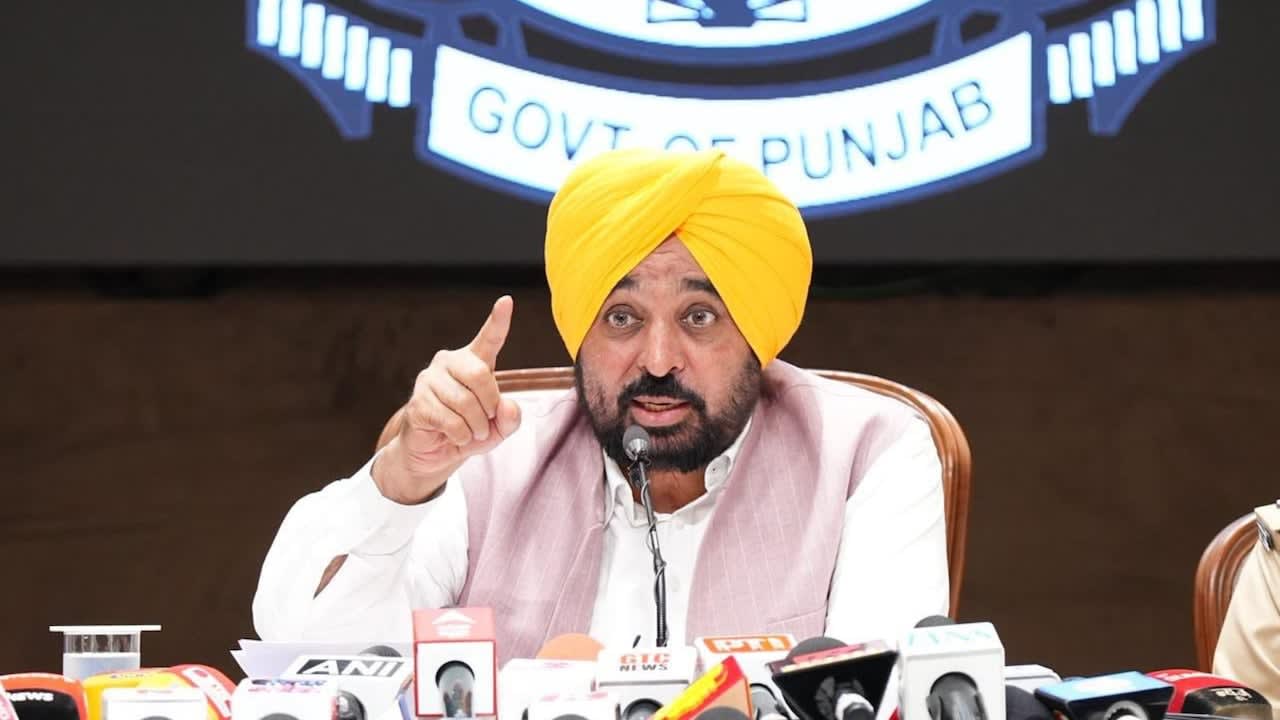
The Aam Aadmi Party is intensifying its grassroots outreach by framing its political messaging around regional identity and historical legacy. By connecting figures like Bhagat Singh with contemporary resource issues like Punjab's water rights, the party seeks to solidify its voter base.
AAP's Strategic Pivot: Merging History with Policy
The Aam Aadmi Party (AAP) has initiated a deliberate shift in its communication strategy, moving away from broad national rhetoric to focus on localized, culturally resonant themes. By explicitly linking the legacy of revolutionary figure Bhagat Singh with pressing regional concerns such as Punjab's water management, the party is attempting to ground its political identity in the specific historical and existential realities of the state. This approach suggests a calculated effort to deepen the party's roots within the local electorate by positioning itself as the guardian of both historical pride and vital natural resources.
The Symbolism of Bhagat Singh
Bhagat Singh remains an unparalleled symbol of sacrifice and anti-colonial struggle in the Indian consciousness, particularly in Punjab. By invoking his name, AAP is tapping into a powerful socio-political reservoir. This is not merely a symbolic gesture but a tactical maneuver to align the party’s platform with the values of integrity, justice, and self-determination that Bhagat Singh represents. In the context of contemporary Indian politics, such associations are often used to build a narrative of continuity between the independence movement and current governance goals.
Water as a Political Flashpoint
Water rights have historically been the most contentious issue in Punjab’s political landscape, often determining the success or failure of state governments. By centering their campaign on water, AAP is addressing the primary concern of the state’s agrarian economy. Water management is a multifaceted challenge involving interstate disputes, irrigation infrastructure, and groundwater sustainability. By taking this issue directly to the people, the party is signaling that it views water not just as a technical policy challenge, but as a core pillar of its political mandate.
Direct Engagement and Grassroots Outreach
The move to take these messages "directly to the people" indicates a shift toward a more localized, door-to-door, and community-centric campaign model. This strategy aims to bypass traditional media intermediaries, allowing the party to curate its message to address the specific anxieties of rural and urban voters. This direct-to-voter approach is often effective in mobilizing support in states where regional identity is a strong driver of electoral behavior.
Broader Implications and Future Trends
Looking ahead, this strategy underscores a broader trend in Indian politics: the localization of national parties to fend off regional competitors. If AAP succeeds in framing its administration through the lens of regional heritage and resource security, it could set a template for other parties to follow. The success of this campaign will likely be measured by the party's ability to turn abstract historical sentiment into concrete policy solutions that resonate with the daily lives of Punjab's citizens.
Conclusion
Ultimately, AAP’s decision to blend the legacy of Bhagat Singh with the critical issue of water governance represents a sophisticated attempt to consolidate its political standing in Punjab. By focusing on issues that carry high emotional and economic weight, the party is betting that a strategy rooted in local relevance will yield a more loyal and engaged voter base in the long term.
Verification Required?