Amid new EC rules, Delhi BLOs struggle to balance exams, SIR duty and 13-hour work days
Source Entity
Latest News: Todays Latest News Headlines from India & World | Hindustan Times | Hindustan Times
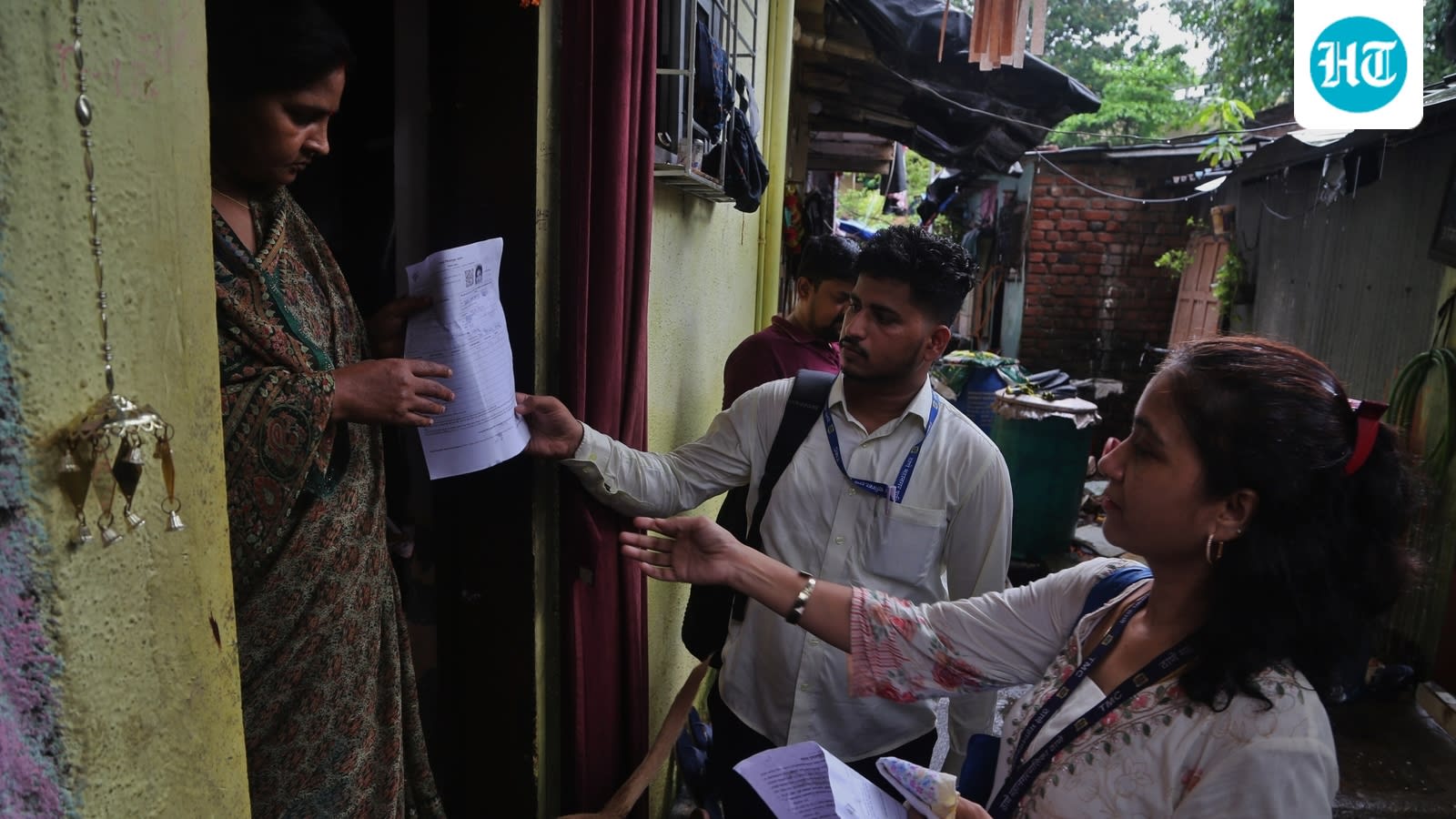
Booth-level officers in Delhi are facing severe strain due to new Election Commission protocols, while the Congress party plans to challenge the ECI's decision-making process. These developments coincide with internal friction within the poll panel, currently under judicial scrutiny.
The Crisis of Electoral Administration: ECI Protocols Under Fire
Recent shifts in the Election Commission of India’s (ECI) special intensive revision (SIR) procedures have triggered a significant administrative crisis in Delhi. Booth-level officers (BLOs), the majority of whom are government school teachers, are currently struggling to reconcile their pedagogical duties with an increasingly demanding electoral mandate. The requirement for BLOs to conduct door-to-door document collection during the critical academic examination season has created a precarious balance between their professional obligations and the ECI's new operational expectations.
The Human Cost of Administrative Reform
The ECI’s latest directive mandates that BLOs personally visit voters identified for “unmapped and logical discrepancies” to collect documentation, which is then uploaded to the ECINet portal for review by the Electoral Registration Officer (ERO). While the ECI suggests that removing the need for physical personal hearings simplifies the process for voters, the burden of this transition has fallen squarely on the BLOs. These officers report 13-hour work days, leading to significant strain on their personal and professional lives, as they attempt to manage classroom responsibilities alongside rigorous field duties.
Internal Friction and Political Fallout
Beyond the operational strain on staff, the ECI is facing intensified political pressure. The Congress Working Committee (CWC) has signaled its intent to demand a formal inquiry into the poll panel’s decision-making processes. This political mobilization follows reports highlighting a persistent divide within the commission, where Election Commissioners have reportedly objected on record to various panel steps over the last ten months. The opposition is expected to leverage these internal disagreements to push for increased accountability from both the commission and the government.
Judicial Intervention and Institutional Transparency
The controversy has now reached the Supreme Court, which has agreed to an early listing of a plea challenging the ECI’s internal decision-making mechanisms. At the heart of this legal challenge is the transparency and governance of the ECINet portal. While the ECI maintains that the system is decentralized and that statutory responsibilities remain firmly with designated election officials, critics argue that the lack of procedural clarity and the strain on field officers undermine the integrity of the electoral roll revision process.
Broader Implications for Electoral Integrity
The ongoing friction between the ECI’s administrative mandates and the ground-level reality of its staff suggests a need for systemic reform. When the workforce tasked with maintaining the voter rolls is pushed to the point of exhaustion, the risk of administrative oversight increases. The intersection of political scrutiny from the CWC and judicial oversight from the Supreme Court indicates that the ECI is at a crossroads regarding how it balances procedural efficiency with the rights and well-being of its personnel.
Future Trends and Outlook
Looking ahead, the resolution of these issues will likely hinge on the Supreme Court’s interpretation of the ECI’s autonomy versus the necessity for transparency in its internal debates. If the court mandates a more consultative approach within the commission, it could lead to more stable, albeit slower, decision-making. Conversely, if the current operational model continues, the ECI may face further labor unrest among BLOs and persistent political challenges, potentially complicating the electoral process in the upcoming cycles.
Multiple Citing Sources
Verification Required?