Centre to disable 15.8 million ‘inactive’ ration cards from October
Source Entity
Latest News: Todays Latest News Headlines from India & World | Hindustan Times | Hindustan Times
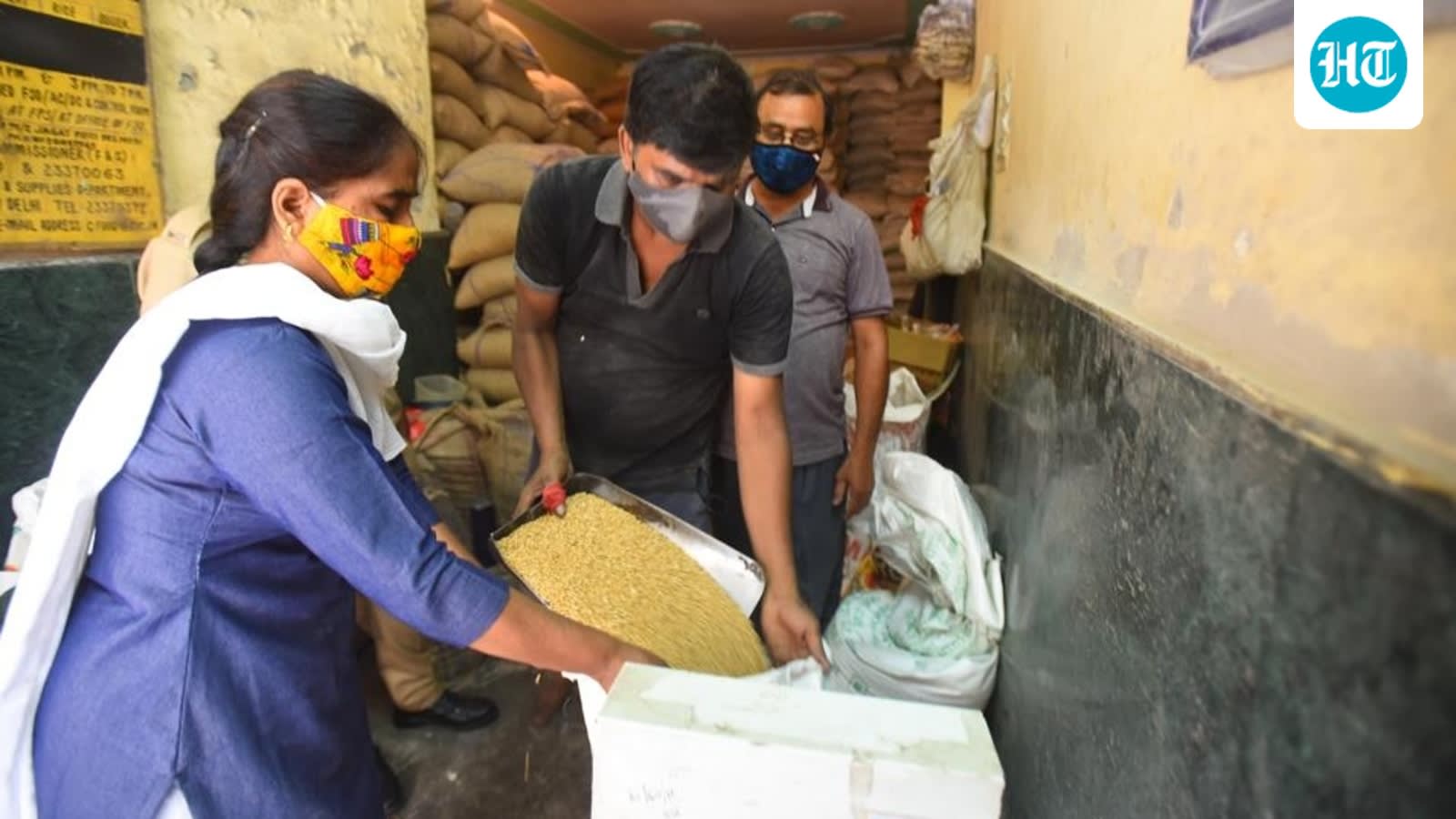
The Indian government will disable 15.8 million inactive ration cards starting in October to streamline the Public Distribution System. Beneficiaries have a three-month window to complete e-KYC verification to reactivate their entitlements.
Strengthening the Public Distribution System
The Indian government has announced a significant administrative overhaul of the Public Distribution System (PDS), targeting the deactivation of 15.8 million ration cards starting in October. This initiative specifically focuses on cards that have remained unused for the past six months, marking a major effort to purge the national database of inactive, duplicate, or potentially fraudulent entries. By identifying these dormant accounts, the Centre aims to ensure that food security resources are accurately allocated to those who genuinely require them.
The Role of Digital Infrastructure
This move is the latest in a series of technology-driven reforms intended to bolster the integrity of the PDS. Over the past several years, the government has aggressively pursued digitisation, Aadhaar seeding, and mandatory e-KYC protocols. These efforts are designed to create a transparent, verifiable registry that minimizes leakage and prevents the diversion of subsidized grains. By moving away from manual, paper-based records, the administration is building a more resilient system capable of real-time monitoring and accountability.
A Grace Period for Verification
Crucially, the government has implemented a safeguard to prevent the wrongful exclusion of legitimate beneficiaries. The 15.8 million cards will not be permanently deleted from the database immediately. Instead, they will be temporarily disabled, providing a three-month window for cardholders to verify their eligibility. This 'grace period' allows individuals who may have been inactive due to migration or other life circumstances to prove their status through the e-KYC process, ensuring that the cleanup does not inadvertently punish vulnerable populations.
Historical Context and Governance
Historically, the PDS has struggled with issues of ghost beneficiaries and systemic inefficiencies that have long plagued welfare distribution in India. The transition to a digital-first approach reflects a broader shift in Indian governance toward 'Direct Benefit Transfer' (DBT) and data-backed welfare. By weeding out suspect beneficiaries, the government hopes to optimize its subsidy expenditure, ensuring that the fiscal burden of food security translates into tangible benefits for the intended recipients rather than being lost to bureaucratic rot.
Broader Implications and Future Trends
Looking ahead, this policy signals a future where social welfare is increasingly tied to digital verification. While this improves efficiency, it also highlights the ongoing challenge of ensuring that technological barriers do not disenfranchise the most marginalized members of society. The success of this initiative will likely be measured by how effectively the government manages the e-KYC transition over the next three months. If executed correctly, this cleanup will set a precedent for more precise, data-driven management of national welfare programs, potentially serving as a model for other state-level initiatives in the future.
Verification Required?