IDSFFK 2026: ‘Aavasam’ captures cultural transformations under pressure of dominant political order
Source Entity
India Latest News: Top National Headlines Today & Breaking News | The Hindu
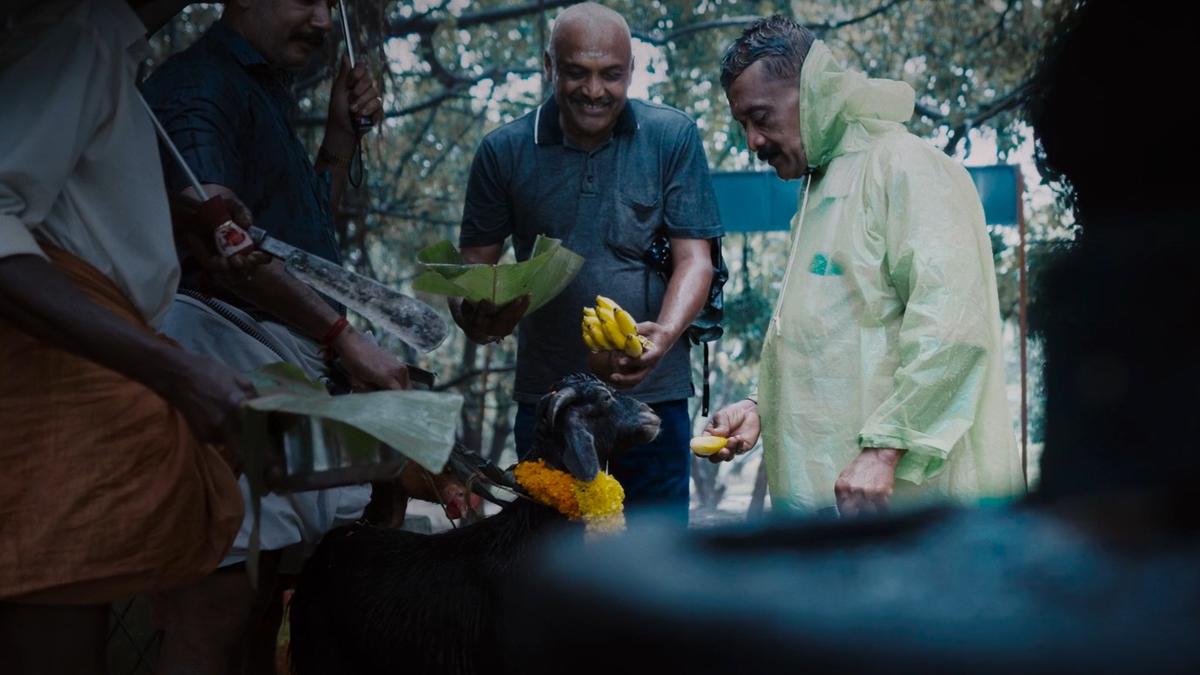
The documentary 'Aavasam', directed by Kiran K.R., explores the subtle evolution of local cultural practices under shifting political influences. Screened at IDSFFK 2026, the film uses a personal narrative to illustrate how private traditions are increasingly co-opted by broader institutional structures.
The Cultural Tapestry of Aavasam: A Deep Dive into IDSFFK 2026
At the 18th International Documentary and Short Film Festival of Keralam (IDSFFK), the documentary Aavasam (Habitus), directed by Kiran K.R., has emerged as a poignant study of sociocultural evolution. As a student of the K.R. Narayanan National Institute of Visual Science and Arts, Kiran K.R. employs a unique observational lens to capture the often-invisible shifts in community identity. The film is not merely a record of events, but a meditation on the fragility of local traditions when confronted with the pressures of a dominant political and cultural order.
The Personal as Political
Kiran K.R. grounds his analysis in a deeply personal narrative, beginning with the memory of a small deity nestled beneath a tree in his native Palakkad district. By starting with this intimate recollection, the filmmaker invites the audience to consider how the sanctity of private, family-centered worship is susceptible to external pressures. This transition from a private, ancestral ritual site to a formalized temple structure serves as a microcosm for the broader societal changes the film seeks to interrogate.
Analyzing Structural Transformations
The core focus of Aavasam is the documentation of how familiar cultural meanings are gradually eroded or reshaped. The film suggests that these transformations are rarely sudden; rather, they are slow, deliberate, and persistent. By tracking the physical and symbolic evolution of the deity’s site, the documentary provides a visual record of how dominant political ideologies exert influence on local spaces, effectively standardizing practices that were once organic and localized.
Broader Implications of Cultural Shifts
This documentary highlights a critical trend in contemporary social studies: the professionalization and institutionalization of folk culture. When a family-led tradition is absorbed into a larger, more structured environment, the inherent flexibility of the practice is often lost. Aavasam captures this loss of nuance, challenging viewers to recognize the political machinery at work behind what may appear to be benign religious or cultural growth.
Future Trends in Documentary Filmmaking
As festivals like the IDSFFK continue to showcase works that interrogate regional identity, Aavasam sets a precedent for future filmmakers. By focusing on the intersection of personal memory and institutional influence, the film demonstrates the power of the documentary form to act as a witness to the changing face of rural and semi-urban landscapes. It encourages a more critical engagement with the environments we inhabit, urging us to question the origin and intent of the cultural shifts we witness daily.
Conclusion
In summary, Aavasam is a vital contribution to modern Indian documentary cinema. Through its focus on the transformation of a single sacred space in Palakkad, it provides a comprehensive look at the friction between localized traditions and the dominant cultural order. It remains a essential watch for those interested in the preservation of cultural autonomy in an increasingly homogenized world.
Verification Required?