Major competitive exams in 2 phases, NEET twice a year: ABVP’s suggestion to Task Force
Source Entity
The Indian Express
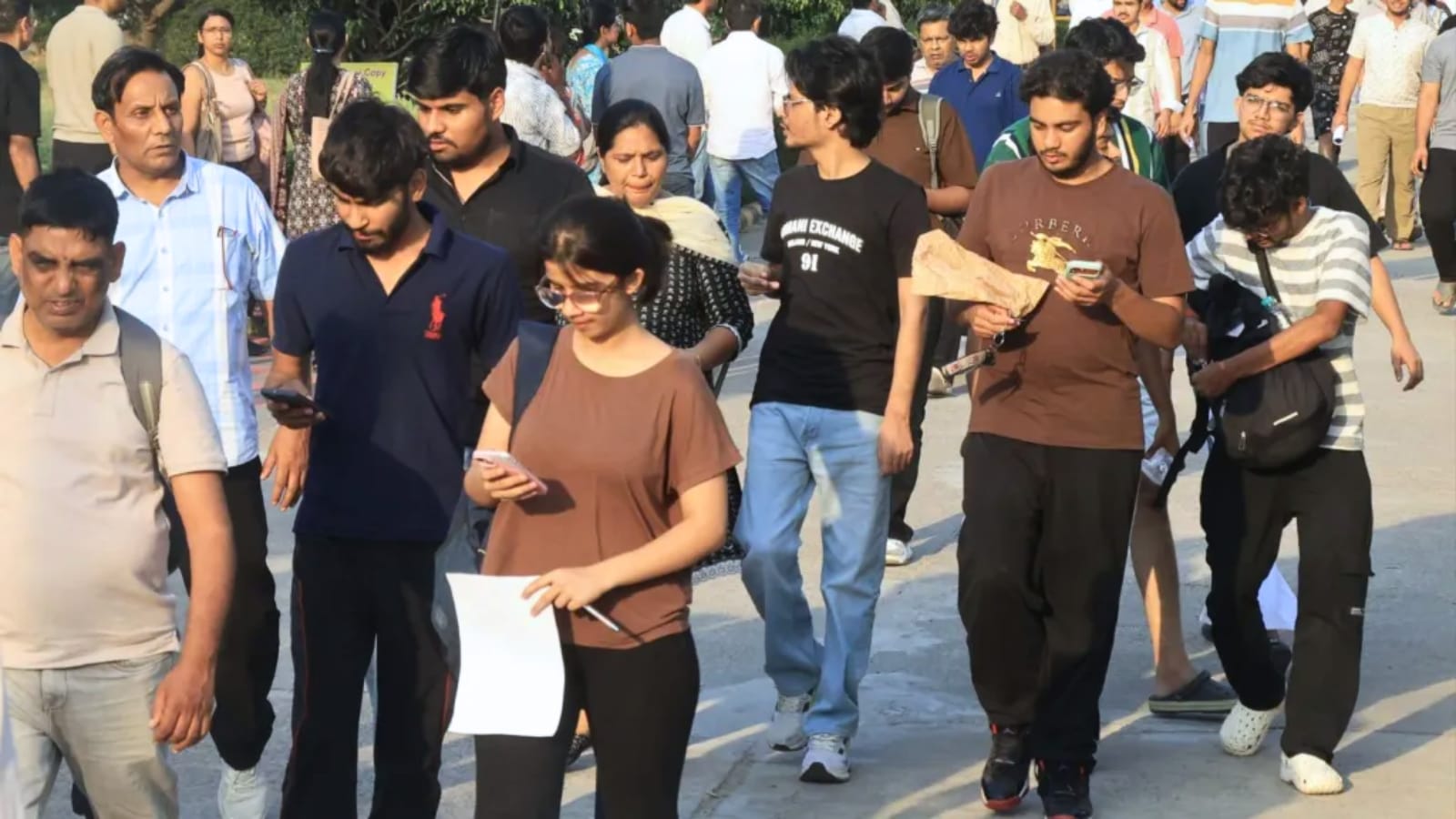
The ABVP has proposed major reforms to India's competitive examination system, including a two-stage testing process and holding NEET twice annually. These recommendations were submitted to the Nandan Nilekani-led task force to enhance security and fairness.
Rethinking Competitive Testing: The ABVP Reform Proposal
A Shift Toward Two-Stage Selection
The Akhil Bharatiya Vidyarthi Parishad (ABVP), the student wing affiliated with the Rashtriya Swayamsevak Sangh, has formally submitted a comprehensive set of proposals to the High-Powered Task Force led by Nandan Nilekani. Central to their platform is the transition to a two-stage examination model for major national competitive tests. This structural change aims to create a preliminary screening phase followed by a more rigorous final selection, a move intended to manage the massive influx of applicants while maintaining academic integrity.
Expanding Opportunities with NEET Reforms
One of the most significant recommendations involves the National Eligibility cum Entrance Test (NEET). The ABVP suggests that conducting the examination twice a year would alleviate the immense pressure placed on students, allowing them the flexibility to choose their best score for final selection. By providing multiple attempts within a single academic cycle, the proposal seeks to reduce the 'all-or-nothing' anxiety that currently defines the national medical entrance landscape.
Strengthening Infrastructure and Security
Beyond the format of the tests, the ABVP has emphasized the need for technological and procedural hardening. Their recommendations include a complete transition to computer-based testing (CBT) to minimize human error and physical tampering. Furthermore, the union has called for stronger security protocols for question papers and the establishment of uniform national standards for all examination centers, ensuring that a student in a remote area receives the same testing experience as one in a metropolitan hub.
The Role of the High-Powered Task Force
These proposals represent a critical contribution to the broader consultation process initiated by the High-Powered Task Force. By inviting feedback from students, parents, and educators until September 13, the committee has cast a wide net to ensure that policy reforms are grounded in the lived experiences of stakeholders. The involvement of Nandan Nilekani, known for his expertise in large-scale digital infrastructure, suggests that the ultimate reforms may lean heavily on technological solutions to solve systemic issues.
Future Implications for Indian Education
If adopted, these reforms could fundamentally alter the competitive landscape in India. A two-stage system might streamline the administrative burden of conducting massive exams, while increased frequency of tests could democratize access and improve student outcomes. As the task force synthesizes these suggestions, the focus remains on balancing the need for massive scale with the demand for absolute security and fairness in a system that governs the professional futures of millions of Indian youth.