Kolkata’s Law College Vice Principal resigns after 23-hour student protest over attendance
Source Entity
India Latest News: Top National Headlines Today & Breaking News | The Hindu
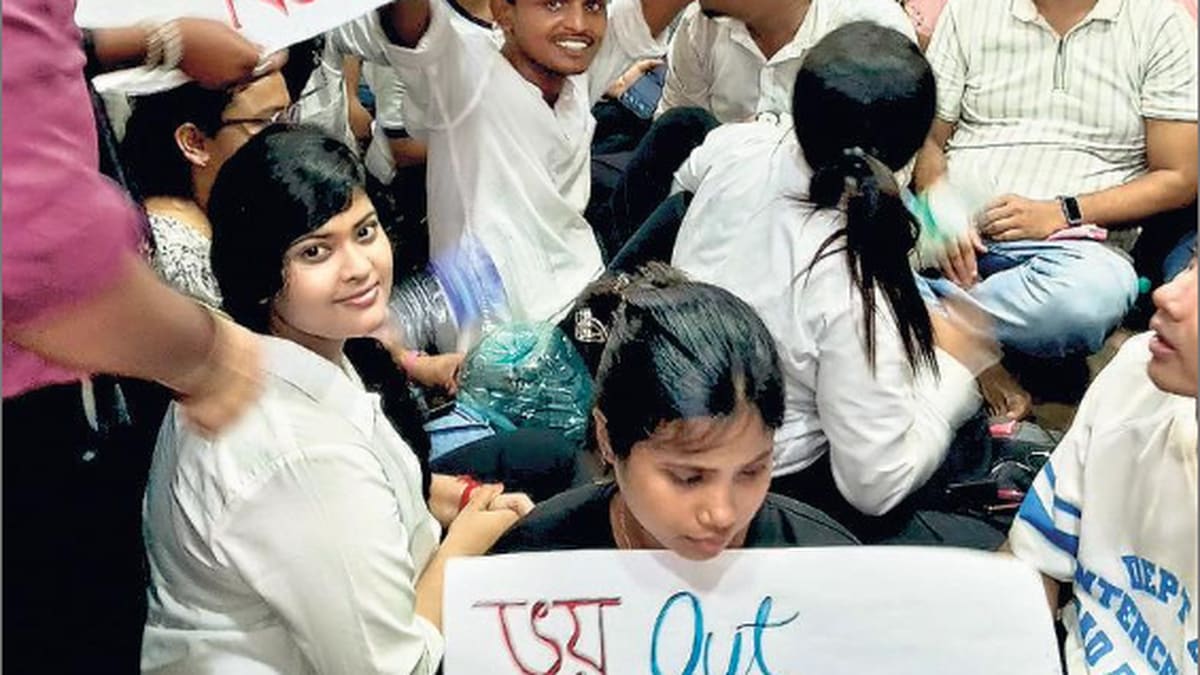
The Vice-Principal of Surendranath Law College in Kolkata resigned following a 23-hour student protest against strict attendance requirements. Students, supported by the ABVP, pressured the administration to allow those with low attendance to sit for exams, leading to a controversial standoff.
The Resignation at Surendranath Law College
The academic landscape in Kolkata witnessed a significant disruption as Mohammadi Tarannum, the Vice-Principal of Surendranath Law College, submitted her resignation following a grueling 23-hour gherao by students. The conflict centered on the enforcement of mandatory attendance criteria, which are critical components of legal education standards in India.
The Core Conflict: Attendance vs. Eligibility
At the heart of the dispute is the 75 percent attendance requirement set by the Bar Council of India (BCI). The BCI mandates this threshold to ensure that students engage sufficiently with the curriculum before appearing for semester examinations. Ms. Tarannum maintained that she was bound by these regulatory rules, while students who failed to meet the threshold demanded exceptions to their eligibility status, leading to an unsustainable administrative impasse.
Escalation and Allegations of Coercion
What began as a disagreement over academic policy quickly escalated into a high-pressure confrontation. Ms. Tarannum reported being confined to her office for nearly a full day, during which she alleged that students turned off electricity and ventilation, creating a hostile environment. This form of protest, known as a 'gherao,' has historical precedents in West Bengal's academic history but remains a contentious method of negotiation that often blurs the line between legitimate dissent and physical coercion.
The Role of Political Student Wings
The involvement of the Akhil Bharatiya Vidyarthi Parishad (ABVP) adds a layer of political complexity to the event. By framing the resignation as a 'win' and performing a symbolic 'purification' of the office with Ganga Jal, the student organization signaled a victory in their campaign against the administration. This suggests that the protest was not merely a spontaneous outcry by students but a coordinated effort to challenge administrative authority.
Broader Implications for Legal Education
This incident highlights a growing tension between strict regulatory adherence and student-led activism in Indian higher education. When universities prioritize strict attendance, they often face backlash from student bodies who may view such rules as punitive rather than academic. However, the erosion of administrative authority through intense physical pressure poses a threat to the governance of educational institutions, potentially setting a precedent where policy enforcement becomes subject to the 'will of the street' rather than established legal frameworks.
Conclusion
The resignation of Mohammadi Tarannum serves as a stark reminder of the fragile balance between institutional policy and student demands. Moving forward, academic institutions in Kolkata and across India must find more constructive channels for mediation to prevent such volatile confrontations. Without clear, de-politicized paths for grievance redressal, the future of administrative governance remains vulnerable to the kind of intense, coercive pressure that led to this unfortunate departure.
Verification Required?