Caught using ‘smart’ glasses in exam, Surat BBA student fined, barred from taking paper for a year
Source Entity
Kamal Saiyed
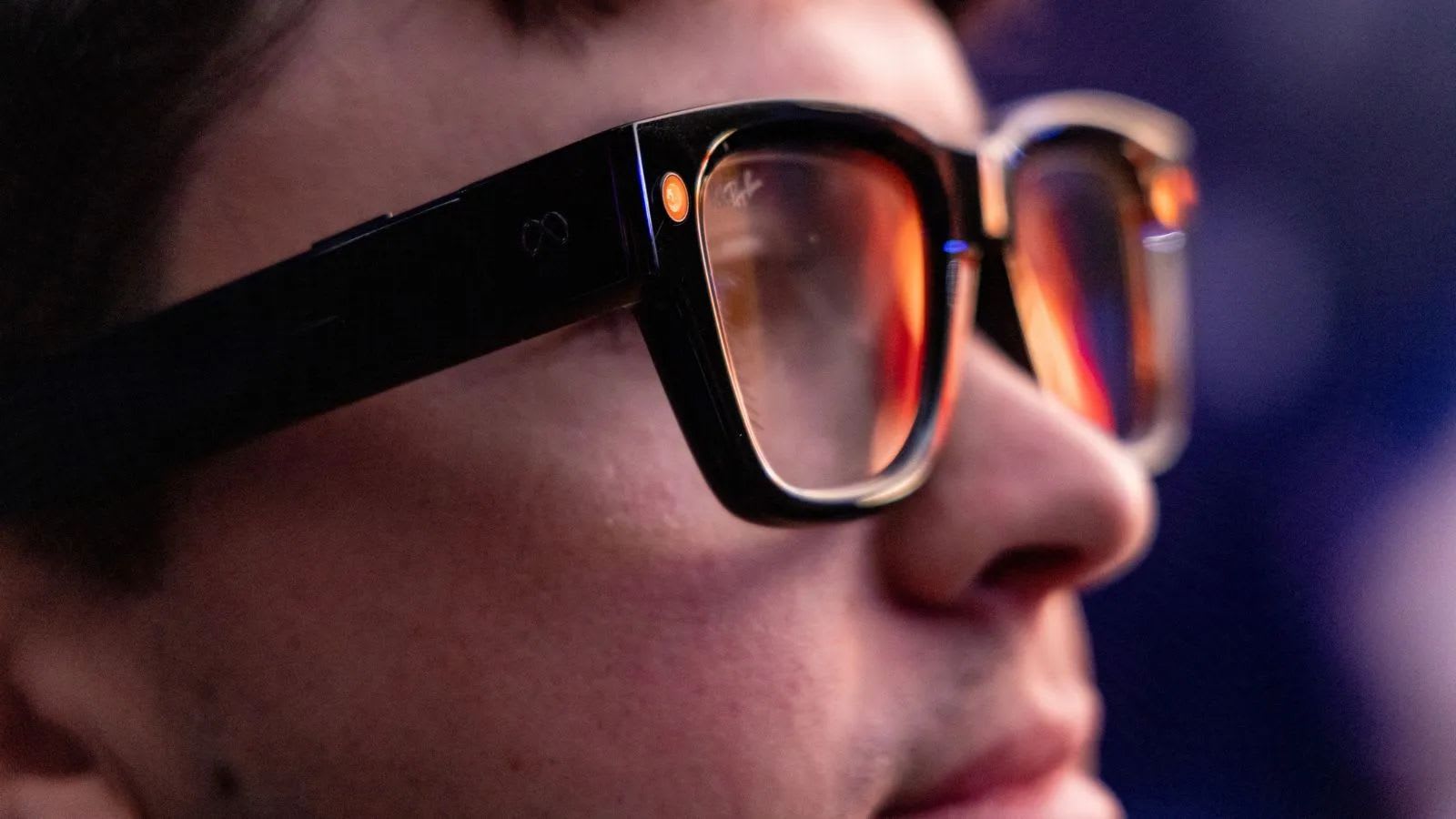
A Surat BBA student was caught using Rs 35,000 smart glasses to cheat during university exams. The student has been barred from the paper for a year and fined after admitting to the incident.
The Rise of High-Tech Academic Malpractice
The recent incident in Surat, where a first-year BBA student was apprehended for utilizing smart glasses to facilitate cheating, marks a significant escalation in the ongoing battle between educational institutions and tech-savvy students. The device, which featured an integrated camera, microphone, and speaker system, represents a sophisticated misuse of wearable technology. Valued at approximately Rs 35,000, these tools are designed to bypass traditional invigilation methods, highlighting a growing trend where students leverage expensive hardware to circumvent academic integrity protocols.
Institutional Response and Disciplinary Measures
The student, enrolled in a college affiliated with the Veer Narmad South Gujarat University (VNSGU) in the Varachha area, faced immediate scrutiny following the discovery during the March-April examination cycle. Upon being summoned for a formal hearing, the student admitted to the transgression. The disciplinary outcome—a one-year ban on the specific paper—serves as a stern warning regarding the consequences of high-tech academic dishonesty. The temporary seizure and subsequent return of the device by college authorities after the payment of a fine underscores the procedural handling of such evidence in academic settings.
The Technological Arms Race in Examination Halls
This incident serves as a microcosm of a broader challenge facing global education systems: the proliferation of discreet, connected devices. Unlike traditional 'cheat sheets' or hidden notes, modern smart glasses are designed to be unobtrusive, often mimicking standard eyewear. This evolution forces universities to reconsider their surveillance strategies, moving beyond simple physical searches to identifying behavioral anomalies during testing. The reliance on such high-end hardware suggests that the market for 'exam-ready' technology is becoming increasingly accessible to students willing to invest significant capital to bypass academic standards.
Broader Implications for Academic Integrity
The incident at VNSGU raises critical questions about how universities can maintain the sanctity of examinations in an era of pervasive connectivity. As wearable technology becomes more refined and less detectable, the reliance on human invigilators may prove insufficient. Educational bodies are now forced to weigh the integration of signal jammers, AI-driven proctoring tools, and stricter entry requirements against the need for a conducive testing environment. This event is not merely a localized disciplinary issue but a indicator of the increasing pressure students feel to succeed, which in some cases, manifests as a total disregard for ethical academic conduct.
Future Trends in Exam Security
Looking ahead, we can expect a hardening of security protocols across higher education institutions in India and beyond. The shift toward 'digitally-proofed' exam halls is likely to accelerate, potentially incorporating advanced radio frequency detection to identify unauthorized transmissions in real-time. Furthermore, the legal and financial repercussions, such as the fine imposed in this case, will likely be standardized to act as a deterrent. The intersection of technology and education will continue to evolve, requiring institutions to remain as agile as the students who seek to exploit these vulnerabilities.