Ahmedabad restaurants install kitchen CCTVs but no live feeds for diners
Source Entity
Ritu Sharma
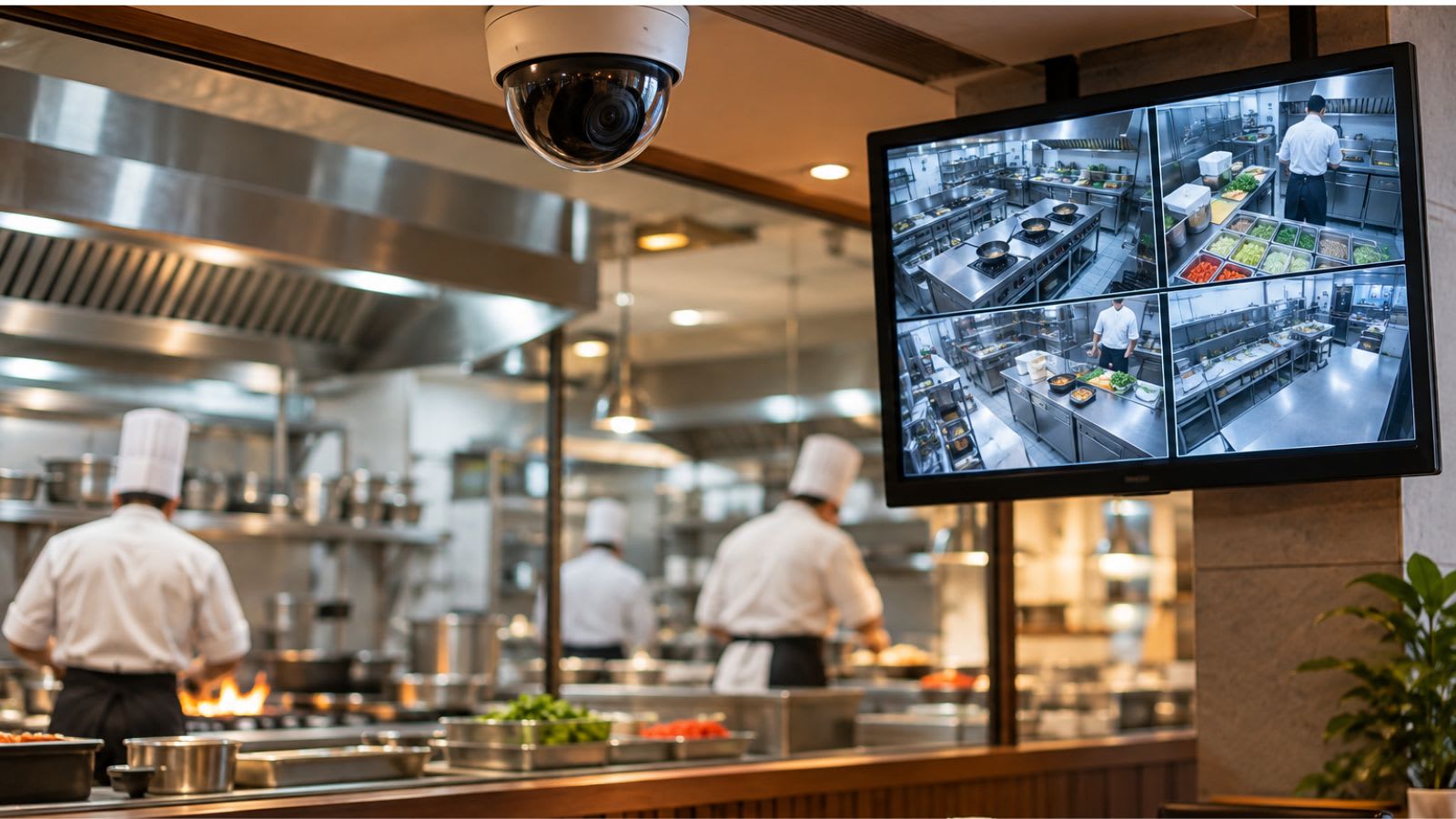
Ahmedabad restaurants have installed kitchen CCTV cameras following an AMC advisory to improve hygiene standards. However, owners have restricted these feeds to internal use, denying diners live access to kitchen operations.
Enhancing Food Safety: The Ahmedabad Kitchen Surveillance Initiative
In a proactive move to bolster public health and food safety, the Ahmedabad Municipal Corporation (AMC) issued an advisory in August targeting over 11,000 restaurants across the city. This regulatory push was designed to ensure that food service establishments maintain rigorous standards of hygiene, freshness, and safety. By encouraging the installation of CCTV cameras within kitchen environments, the AMC aims to create a culture of accountability and cleanliness in the city's bustling culinary sector.
The Scope of Compliance
The initiative has seen a significant response from the local hospitality industry. According to Dr. Tejas Shah, the Additional Medical Officer of Health at the AMC, approximately 4,000 establishments have already complied with the advisory by installing surveillance systems. This represents a substantial portion of the city's food service infrastructure, indicating a widespread acknowledgment of the importance of hygiene protocols in a post-pandemic landscape where diners are increasingly conscious of food preparation standards.
The Transparency Divide
While the installation of cameras marks a victory for regulatory oversight, a notable friction point has emerged regarding transparency. Although the cameras are now operational in thousands of kitchens, restaurant owners have drawn a firm line regarding accessibility. Diners will not be granted access to live feeds of the cooking process. Business owners cite various concerns, ranging from operational privacy and the protection of proprietary culinary techniques to the potential for disruptive scrutiny by customers who may not understand the complexities of high-volume kitchen environments.
Regulatory Philosophy and Future Outlook
It is important to note the nature of the AMC’s intervention: it remains an advisory rather than a mandatory mandate. Dr. Shah clarified that the AMC cannot legally force establishments to install these systems, relying instead on the cooperation of business owners to elevate industry standards. This collaborative approach suggests that the AMC is prioritizing long-term cultural shifts in food safety over punitive enforcement, though the lack of public access to these feeds may lead to future debates regarding the definition of 'transparent' dining.
Broader Implications for Urban Food Policy
The Ahmedabad model serves as a compelling case study for urban food safety management. By utilizing surveillance as a tool for internal management, the city is attempting to mitigate risks such as cross-contamination and improper food handling. As other municipalities monitor the success of this program, the tension between business privacy and consumer right-to-know will likely become a central theme in future food safety legislation across India.
Conclusion
The ongoing integration of CCTV technology into Ahmedabad's restaurant kitchens is a significant step toward professionalizing the food service industry. While the current refusal to grant public access to live feeds may limit the immediate impact on consumer trust, the baseline improvement in monitoring and internal accountability is a positive development. As the city continues to refine its public health strategies, the balance between operational privacy and the public's desire for transparency will remain a critical evolution to watch.