We don't need more apps. We need better open source
Source Entity
Hacker News
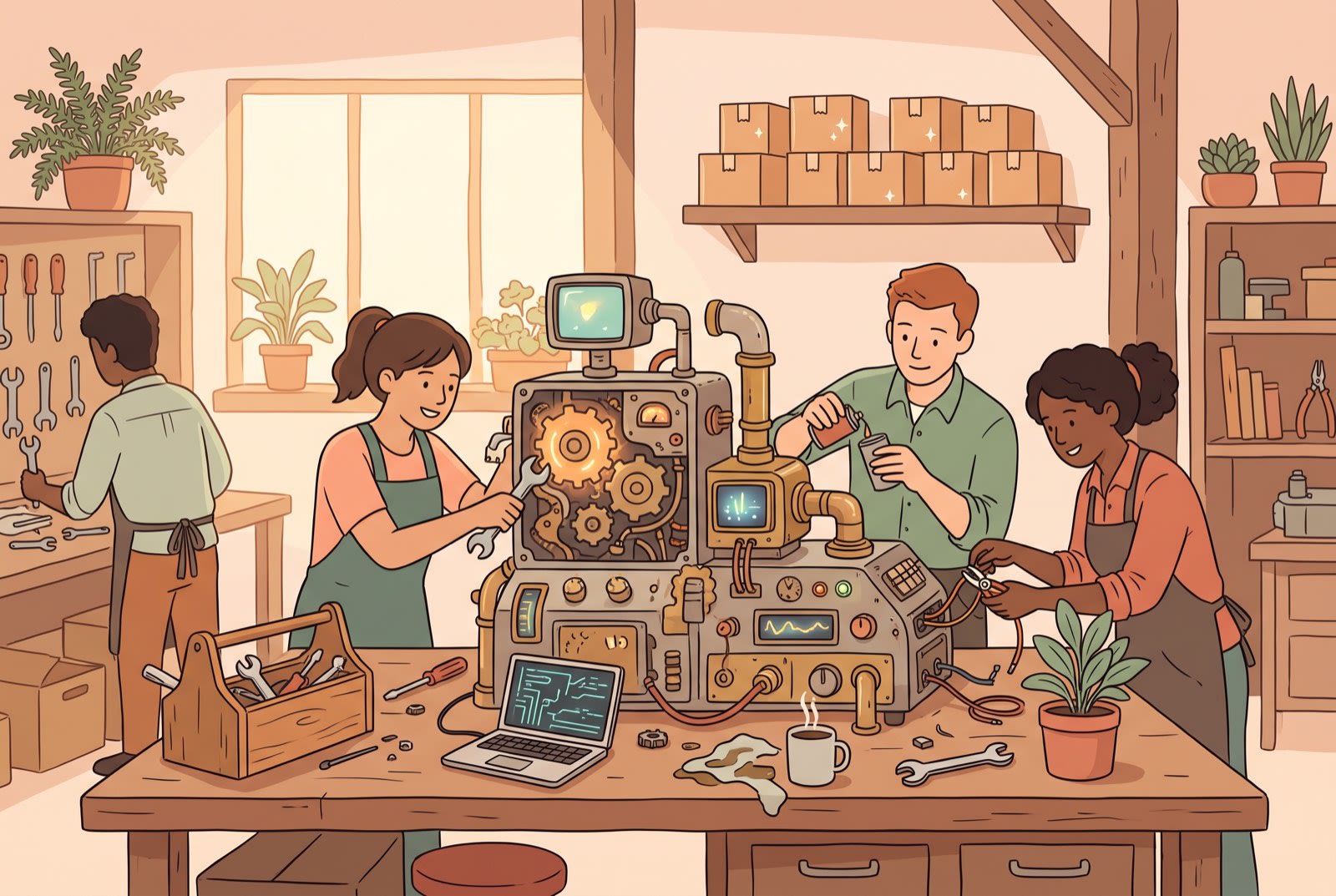
The surge in AI-assisted coding is flooding the market with redundant personal apps while neglecting critical open-source infrastructure. Experts argue that shifting this development energy toward improving existing software usability would provide greater societal value.
The Paradox of AI-Assisted Development
The current technological landscape is experiencing a paradox: while the barrier to entry for software development has arguably never been lower, the utility of the resulting output is arguably stagnating. The rise of "AI-assisted coding," often colloquially referred to as "vibecoding," has empowered a new generation of creators to build habit trackers, to-do lists, and note-taking applications over a single weekend. While this democratization of creation is a positive development for personal skill-building, it has led to a saturation of redundant software that offers little innovation compared to existing solutions.
The Neglect of Critical Infrastructure
A significant concern is the diversion of creative energy away from the foundational open-source software (FOSS) that sustains the internet and modern business operations. Much of the world's digital infrastructure relies on open-source projects that are often underfunded, under-maintained, and technologically dated. When the collective focus of the developer community shifts entirely toward building new, ephemeral tools, the critical software that powers our daily workflows remains stagnant, failing to receive the updates or refinements necessary for modern deployment.
Challenges in Open Source Usability
The core issue identified is not a lack of functionality in open-source software, but rather a lack of accessibility. Many existing open-source tools are robust in their capabilities but struggle with fundamental usability hurdles: they are difficult to install, resource-heavy, and require significant manual troubleshooting. As the author notes, these tools often require specialized knowledge to keep them running, leaving users to rely on late-night forum threads to solve basic operational failures. This friction prevents the broader adoption of open-source software by non-technical users and small organizations.
Redefining the Goal of AI-Assisted Coding
There is a massive opportunity to pivot the energy currently spent on redundant app development toward the refinement of these critical open-source projects. AI-assisted coding tools could be utilized to streamline installation processes, optimize code for cheaper server environments, and create comprehensive documentation that reduces the need for constant community support. By shifting the objective from "building more" to "improving existing," the tech community could drastically increase the reliability and reach of the software we already depend on.
Future Trends and Conclusion
Looking ahead, the sustainability of the open-source ecosystem depends on whether developers can be incentivized to focus on maintenance and usability over novelty. If the trend of creating redundant, siloed applications continues, the digital landscape will become increasingly cluttered without becoming more functional. Conversely, if AI-assisted coding is channeled into the maintenance and improvement of foundational software, we could enter an era where high-quality, self-hosted, and open-source tools become the standard for everyone, rather than the exclusive domain of those willing to navigate complex technical barriers.