The AI Boom Looks Alive and Well in Asia
Source Entity
Latest News: Todays Latest News Headlines from India & World | Hindustan Times
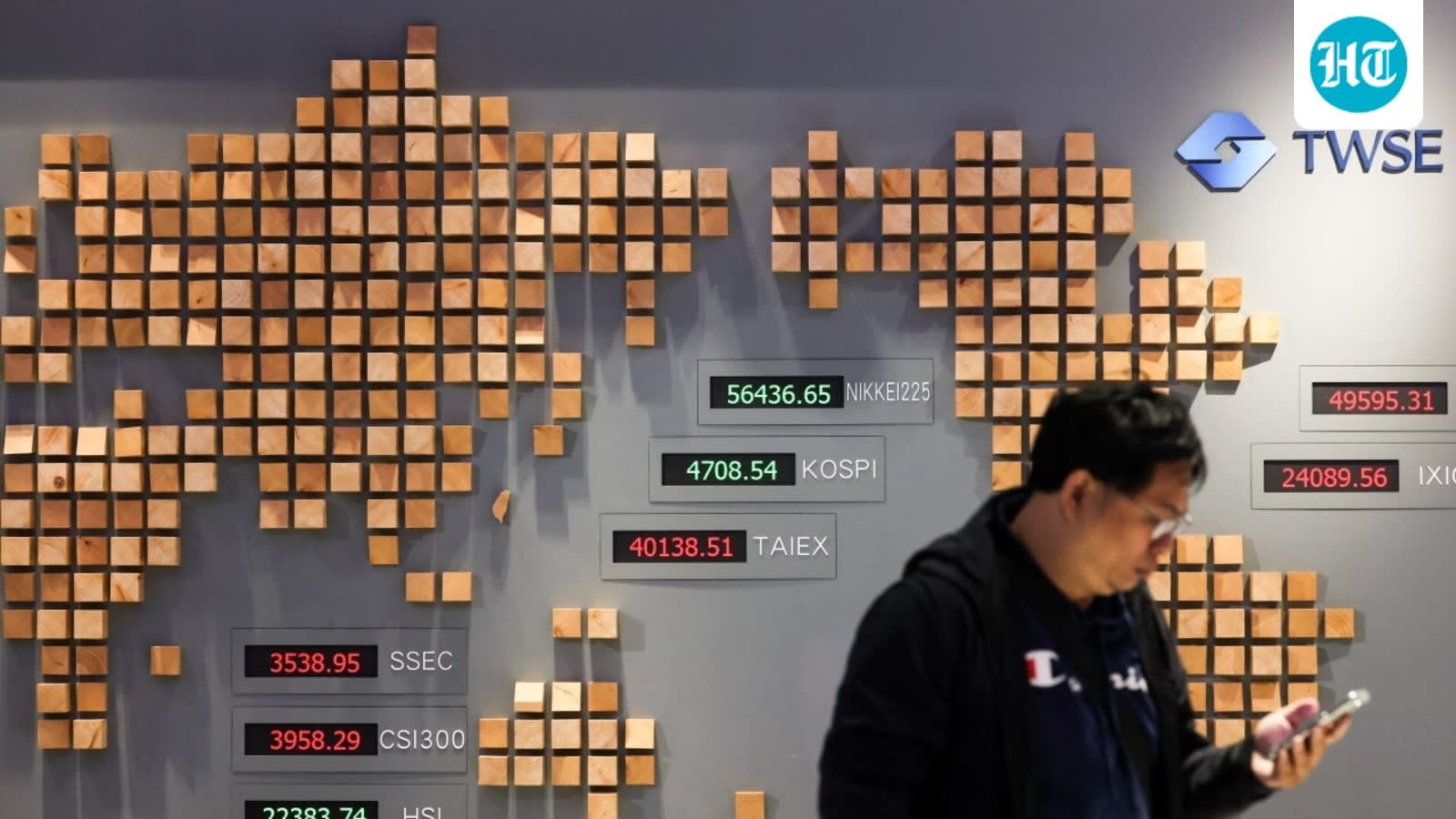
The AI boom continues to drive strong economic growth across Asia and the U.S. despite market volatility surrounding Nvidia. While regulatory and political concerns create short-term instability, infrastructure investment in data centers remains a key indicator of long-term expansion.
The Resilience of the AI Boom Amidst Market Volatility
Recent global financial markets have been defined by extreme sensitivity, particularly regarding the artificial intelligence sector. The narrative surrounding Nvidia, specifically the leadership dynamics involving Jensen Huang, has acted as a catalyst for significant turbulence. This volatility reflects a broader investor anxiety concerning the sustainability of the current AI-driven market surge, yet the underlying economic data suggests that the sector remains a primary engine of growth.
Asia’s Deep Integration with the AI Supply Chain
The impact of Nvidia’s market performance is nowhere more pronounced than in Asia. Nations such as Japan, South Korea, Taiwan, Malaysia, and Singapore have positioned themselves as critical nodes in the global AI supply chain. Because these economies are so heavily exposed to the technological requirements of AI development, any fluctuation in the valuation of major chipmakers serves as a symbolic bellwether for their own stock indexes. The recent rollercoaster ride in these markets underscores how deeply the regional economy is now tethered to the health of the global AI trade.
Beyond the Headlines: Economic Fundamentals
While stock market sentiment can be erratic, the tangible economic indicators tell a more stable story. In the United States, revised figures indicate that the economy grew at an inflation-adjusted annual rate of 4.3% in the third quarter, a notable improvement over initial estimates of 3.4%. This growth is not merely abstract; it is fueled by capital-intensive investments, specifically in nonresidential buildings such as data centers. This 16% growth rate in infrastructure investment provides a physical foundation for the AI boom that exists independently of daily share price fluctuations.
Regulatory Scrutiny and Investor Confidence
The intersection of technology and geopolitics remains a critical risk factor. As AI becomes a central pillar of national economic strategies in Asia, it inevitably attracts greater regulatory and political scrutiny. This oversight has contributed to investor apprehension, as market participants weigh the long-term potential of AI against the potential for restrictive policies. The current environment is a delicate balancing act between the euphoria of technological advancement and the cold reality of regulatory headwinds.
Future Outlook: Growth vs. Correction
Looking forward, the fundamental question remains whether the AI boom can sustain its current trajectory or if a significant correction is imminent. For now, the combination of robust infrastructure investment and strong export demand suggests that the boom is alive and well. However, as the industry matures, the reliance on single entities like Nvidia may force Asian economies to diversify their technological dependencies to mitigate risks associated with sudden market shifts. The future of the sector will likely depend on the continued ability of firms to translate artificial intelligence capabilities into sustained, large-scale economic output.
Verification Required?