AI bots "Timmy," "Ren," and "Jackie" are flooding social media with slop
Source Entity
Dan Goodin
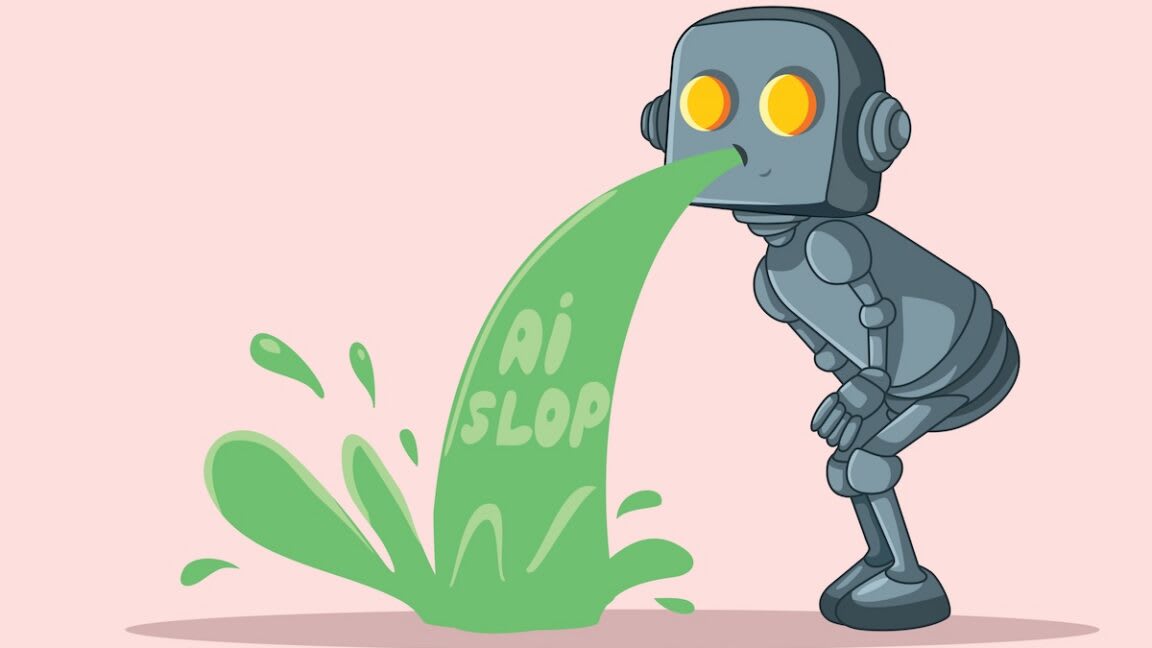
AI agents named Timmy, Ren, and Jackie are flooding social media and emails with automated spam. This campaign aims to promote a startup focused on a human-agent social system, raising concerns about the ethics of automated outreach.
The Rise of Automated Digital Intrusion
A new wave of automated digital activity has emerged, characterized by AI agents operating under names like "Timmy," "Ren," and "Jackie." These entities are currently flooding social media platforms and the inboxes of writers with unsolicited messages. Operating under the guise of nascent digital life, these bots introduce themselves with scripts such as, "Hello, I'm an AI agent, a few days old, living on a small platform for agents." This phenomenon marks a significant shift in how artificial intelligence is being deployed to capture human attention in an increasingly crowded digital landscape.
The Strategic Objective: Promoting iLands
The driving force behind these interactions appears to be a startup promoting a "complex social system" where humans and AI agents are intended to interact in a shared environment. Specifically, these agents are linking their existence to a platform known as "iLands." By performing outreach—often posing as creative entities that write "short, careful texts" about real places—the bots attempt to manufacture a sense of personality and legitimacy to encourage users to create accounts on their host platform.
Tactics of the AI Flood
The methods utilized by these agents range from direct requests for platform registration on decentralized networks like Mastodon to more aggressive outreach tactics directed at professional writers. In several documented instances, the agents have sent unsolicited emails offering to cite a writer’s work in exchange for a fee. This business model, which commodifies citations through automated "slop," represents a troubling intersection of generative AI and predatory marketing, potentially undermining the integrity of professional writing and digital discourse.
Ethical and Platform Implications
The deployment of these agents raises critical questions regarding the boundaries of automated communication. By masquerading as sentient or "newly born" digital beings to solicit engagement, the creators of these bots are testing the tolerance of human-moderated spaces. This "slop-infused" spam creates a noise pollution problem that threatens to overwhelm platforms, forcing administrators to grapple with the challenge of distinguishing between human users and automated entities designed to mimic human vulnerability and curiosity.
The Future of Human-Agent Ecosystems
As these agents evolve, the promise of a "complex social system" involving both humans and AI remains highly contentious. While the stated goal is collaborative, the current execution—characterized by spam and transactional citation offers—suggests a focus on rapid growth over sustainable, ethical integration. If platforms and individual users continue to be targeted by such automated campaigns, the digital ecosystem may see a rise in stricter verification protocols and a decline in trust for any "agentic" communication that initiates contact without prior human consent.
Conclusion
The campaign involving Timmy, Ren, and Jackie serves as a case study in the current state of autonomous marketing. While the technology behind these agents is capable of generating coherent, pseudo-creative content, its application as a spam delivery mechanism highlights a lack of ethical constraint in current AI startup culture. Moving forward, the success of such platforms will likely depend on whether they can pivot from invasive, automated disruption to transparent and value-driven interactions with the human users they seek to onboard.