I fixed a tractor using John Deere’s self-repair service. Farmers aren’t sold on it.
Source Entity
Boone Ashworth, WIRED.com
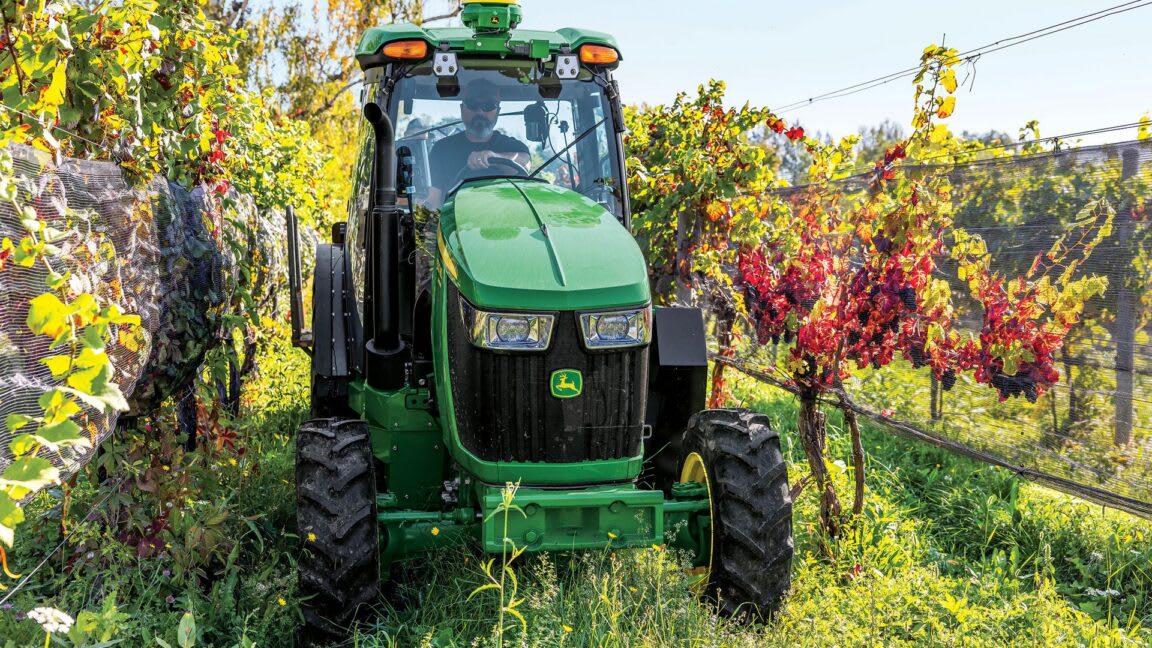
John Deere has introduced a self-repair service allowing owners to diagnose and fix their own equipment using proprietary software. However, many in the farming community remain skeptical of the program's efficacy and accessibility.
The Evolution of Agricultural Maintenance
The landscape of modern agriculture is undergoing a significant shift as equipment manufacturers like John Deere grapple with the growing 'Right to Repair' movement. The introduction of a dedicated self-repair service represents a departure from the traditional model where farmers were required to rely exclusively on dealership technicians. By allowing owners to access diagnostic software and digital manuals, the company is attempting to address long-standing criticisms regarding the monopolization of equipment maintenance.
The Digital Diagnostic Interface
At the core of this new initiative is a software-driven diagnostic process that mimics the experience of a dealership mechanic. As demonstrated by the recent repair of a 5130ML tractor's water-in-fuel sensor, the process involves connecting a computer directly to the machine's internal system. The software utilizes the tractor’s unique serial number to pull up specific repair instructions and visual aids, effectively demystifying the complex electronic systems that govern modern agricultural machinery.
Challenges of the Self-Repair Model
Despite the technical capability provided by this service, the farming community remains largely unconvinced. Critics argue that while the ability to identify a disconnected sensor via a laptop is a step forward, it does not address the deeper barriers to entry, such as the proprietary nature of the diagnostic tools and the potential for software lockouts. There is a palpable tension between the convenience of a guided digital walkthrough and the autonomy that farmers traditionally exercised when repairing mechanical equipment with basic tools.
Broader Implications for Industry Standards
This move by John Deere is likely a strategic response to increasing regulatory pressure and legislative efforts across the United States. By providing a sanctioned path for self-repair, the company is positioning itself to retain control over the service ecosystem while acknowledging the necessity of owner-led maintenance. Whether this software-based approach will satisfy the demands of professional farmers who prioritize speed and independence remains a critical question for the industry.
Future Trends in Equipment Repair
The future of agricultural technology will likely see a continued tug-of-war between digital oversight and physical autonomy. As tractors become increasingly computerized, the line between a 'user' and a 'technician' is blurring. Future developments may see more streamlined interfaces, but the success of these programs will ultimately depend on whether the manufacturer is willing to grant farmers true, unrestricted access to the hardware they own, rather than merely providing a curated, corporate-approved path for repairs.
Summary
John Deere’s self-repair service marks a pivotal moment in the Right to Repair debate. While the diagnostic software provides a functional solution for identifying specific faults like sensor failures, the broader skepticism from the farming community suggests that digital tools alone are not enough to restore the level of mechanical freedom that farmers demand in the field.