Everyone can find a reason to dislike data center construction
Source Entity
Tim Fernholz
The rapid expansion of AI infrastructure is facing significant public pushback, with over 60% of Americans opposing new data center construction. This mounting local resistance has already disrupted $68 billion in projects, creating a critical tension between industry scaling goals and community interests.
The Growing Friction Between AI Scaling and Public Sentiment
Recent reports indicate that the aggressive expansion of artificial intelligence infrastructure is hitting a significant wall of public disapproval. Frontier AI laboratories, driven by the belief that computational scaling is the primary vehicle for technological advancement, have committed trillions of dollars to new data center projects. However, this top-down investment strategy is increasingly clashing with the lived realities of local communities.
The Rise of Localized Resistance
Public opinion data reveals a stark divide between the industry's ambitions and the public's appetite for infrastructure. Surveys now show that more than 60% of Americans favor limiting the construction of new data centers in their neighborhoods. This is not merely a transient concern; longitudinal studies indicate that this sentiment is accelerating, transforming from passive skepticism into active, organized opposition that poses a tangible threat to the industry's roadmap.
Economic Impact of Community Pushback
The financial consequences of this disconnect are already manifesting in the marketplace. Data Center Watch reports that $68 billion worth of projects were disrupted in the second quarter of 2026 alone due to local opposition. This figure underscores that the 'Not In My Backyard' (NIMBY) phenomenon is no longer a localized nuisance but a systemic risk that can derail multi-billion dollar capital expenditure plans and stall the development of next-generation AI models.
The Infrastructure Paradox
AI companies and their investors find themselves in a complex paradox. While they perceive the rapid build-out of data centers as a necessity to meet the explosive demand for their products, they lack a cohesive strategy to address the environmental, aesthetic, and resource-based concerns of the public. The industry's current struggle to reconcile these competing interests suggests that technological advancement cannot continue in a vacuum, ignoring the social license to operate required for large-scale industrial projects.
Future Implications and Strategic Shifts
Looking forward, the industry must move beyond the assumption that capital alone can clear the path for infrastructure. If the current trajectory of public opposition holds, we can expect a continued increase in project delays, higher litigation costs, and potential regulatory interventions at the local and state levels. The future of AI scaling may depend less on the efficiency of the chips themselves and more on the industry's ability to integrate data centers into communities in a way that provides tangible, localized benefits rather than perceived burdens.
Conclusion
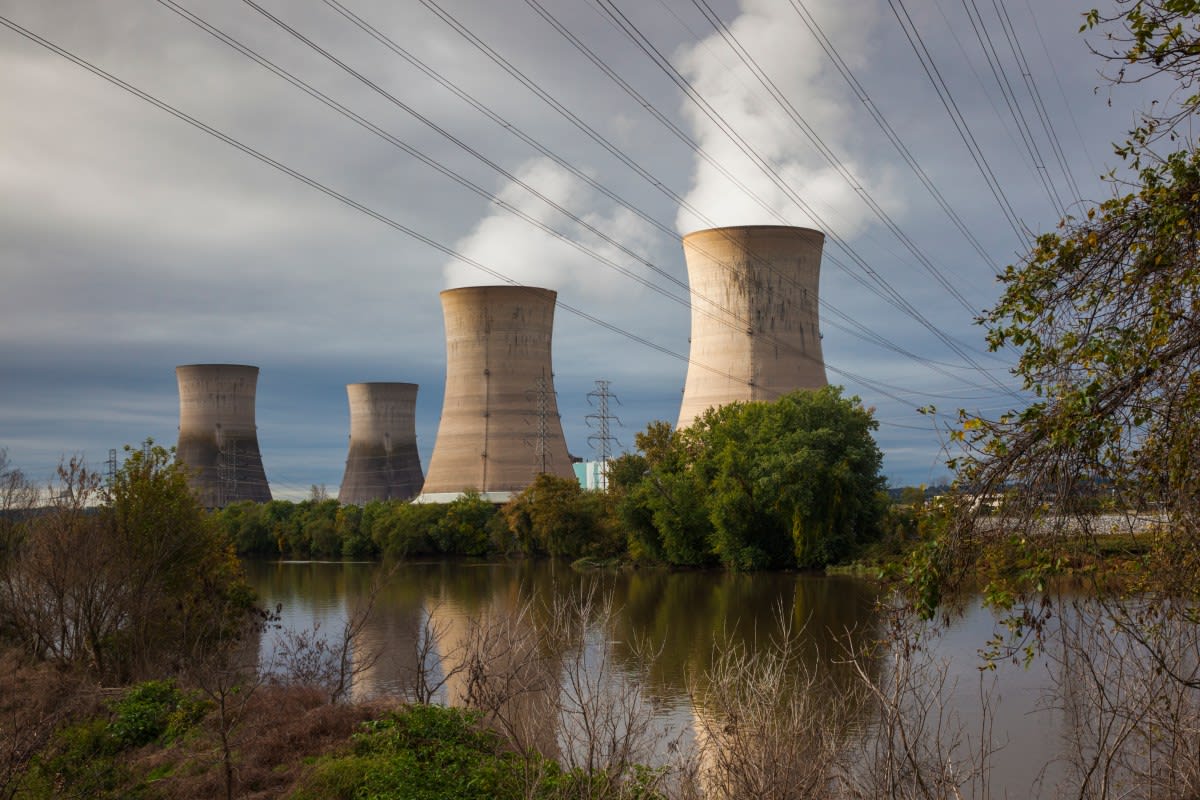
In summary, the battle over data center construction in places like Pennsylvania serves as a microcosm of a much broader national conflict. As the demand for computation grows, the tension between the global need for AI progress and the local desire for community preservation will likely define the next phase of the industry's lifecycle. Bridging this gap will require a fundamental shift in how AI labs engage with the public, shifting from a model of imposition to one of collaboration and transparency.