Hear how AI can engineer nature’s comeback at TechCrunch Disrupt 2026
Source Entity
TechCrunch Events
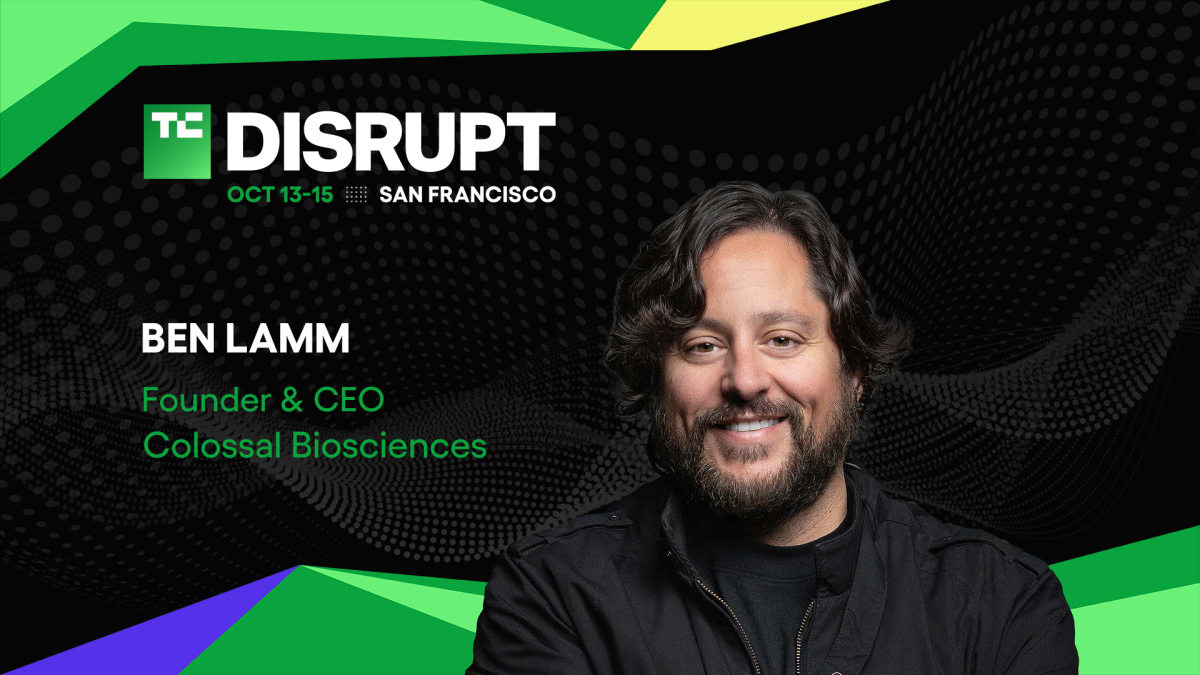
TechCrunch Disrupt 2026 features a session on how AI and synthetic biology are enabling the potential revival of extinct species. Colossal Biosciences CEO Ben Lamm will discuss the ethical and scientific implications of using technology to engineer nature's comeback.
The Convergence of AI and De-Extinction
The boundary between science fiction and biological reality is rapidly dissolving as advancements in artificial intelligence, genetics, and computational biology converge. At the upcoming TechCrunch Disrupt 2026, the session titled “Can We Engineer Nature’s Comeback?” serves as a critical forum to examine this transformation. The discussion centers on how modern technology is no longer just observing ecosystems but actively participating in their restoration through the potential revival of extinct species.
The Role of Colossal Biosciences
At the heart of this movement is Colossal Biosciences, a billion-dollar startup currently pioneering the intersection of synthetic biology and machine learning. Ben Lamm, the company’s Co-Founder and CEO, will lead the conversation regarding how these technologies are being applied to conservation efforts. By leveraging AI to decode complex genetic data, the company aims to move beyond traditional conservation methods, which have historically been limited to habitat preservation rather than biological recovery.
Technological Foundations of Conservation
Computational biology has become the backbone of modern de-extinction efforts. AI models are now capable of analyzing massive datasets to identify the specific genetic markers required for species restoration. This shift represents a fundamental change in how scientists approach biodiversity loss, moving from passive protection to active intervention. However, the use of these tools raises significant technical hurdles regarding the precision of genetic editing and the long-term viability of resurrected organisms in modern environments.
Navigating Ethical Frontiers
While the technological capabilities are expanding, the moral landscape remains complex. The question of whether we should revive extinct species is not merely a scientific inquiry but an ethical one. Proponents argue that de-extinction could restore ecological balance and rectify human-driven biodiversity loss, while critics express concerns regarding the unpredictable consequences of reintroducing modified species into current ecosystems. These debates are central to the discourse at TechCrunch Disrupt 2026.
Future Implications for Global Biodiversity
Looking ahead, the integration of AI into conservation research suggests a future where human intervention in nature becomes more surgical and data-driven. If successful, these methods could provide a blueprint for addressing mass extinction events globally. The fireside chat aims to bridge the gap between speculative science and actionable policy, forcing attendees to consider the long-term societal role of AI in shaping the future of the natural world.
Conclusion
The dialogue at TechCrunch Disrupt 2026 underscores a pivotal moment in conservation history. As we transition into an era where extinction may no longer be permanent, the collaboration between AI experts and conservation biologists will define the limits of human interference in the natural order. Whether this results in a restoration of lost biodiversity or unforeseen ecological challenges remains to be seen, but the technological foundation for this comeback is being laid today.