Only at TechCrunch Disrupt 2026: What happens when OpenAI ships your roadmap?
Source Entity
TechCrunch Events
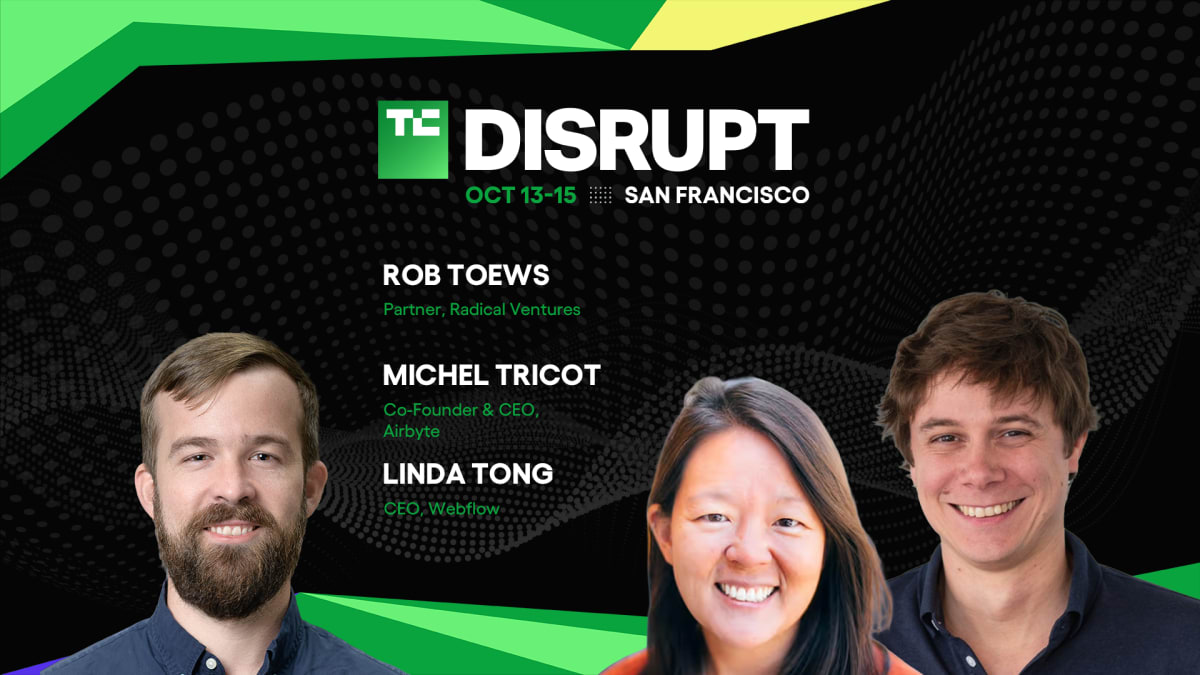
TechCrunch Disrupt 2026 is hosting a critical session on the existential threat AI startups face from foundation model providers. Founders must navigate a landscape where their core products risk being subsumed by platform updates.
The Existential Pivot: AI Startups vs. Foundation Models
As the artificial intelligence landscape matures, a profound shift is occurring in how startups perceive competitive threats. Historically, the primary concern for any new venture was the 'startup next door'—a competitor with a similar vision but perhaps better execution. However, as highlighted by the upcoming session at TechCrunch Disrupt 2026, the current ecosystem is defined by a more formidable adversary: the very platforms upon which these startups are built.
The 'Feature vs. Product' Trap
The central anxiety for modern AI founders is the rapid iteration cycle of giants like OpenAI, Anthropic, and Google. When a startup spends months developing a specialized tool or workflow automation, they are often unknowingly building a feature that could be subsumed into the next foundation model release. This dynamic forces founders to reconsider their product roadmaps, shifting the focus from 'Can we build this?' to 'How can we ensure our value remains distinct when the platform inevitably adopts this capability?'
Strategic Implications for Valuation
This volatility is fundamentally reshaping the venture capital landscape. Investors are increasingly wary of companies whose core value proposition is easily replicated by a simple API update or a new native feature from a foundation model provider. Consequently, valuations are being tied more strictly to proprietary data moats, unique user experiences, and deep vertical integration that cannot be easily commoditized by broader, general-purpose models.
Redefining Competitive Moats
For an AI startup to survive, it must transcend the status of a mere wrapper. The discussion at TechCrunch Disrupt 2026 aims to address how companies can create lasting value that is immune to platform encroachment. This involves building ecosystems, human-in-the-loop workflows, or highly specialized industry applications that require domain expertise which foundation models—despite their reasoning capabilities—cannot replicate without significant, costly investment.
The Future of AI Entrepreneurship
The survival of the next generation of AI companies depends on their agility and strategic foresight. Founders must anticipate the roadmap of the platform providers and steer their products toward niches that are too narrow or too specialized for large-scale foundation models to prioritize. As we look toward the future, the companies that succeed will be those that have successfully transformed from being dependent on foundation models to being indispensable components of the broader AI infrastructure.
Conclusion
TechCrunch Disrupt 2026 serves as a vital touchpoint for founders looking to navigate this high-stakes environment. By registering before the September 25 deadline, entrepreneurs can gain access to critical insights on how to build resilient, defensible products in an era where the platform itself is the most significant competitor.