AI to predict traffic snarls, guide police deployment
Source Entity
Sushant Kulkarni
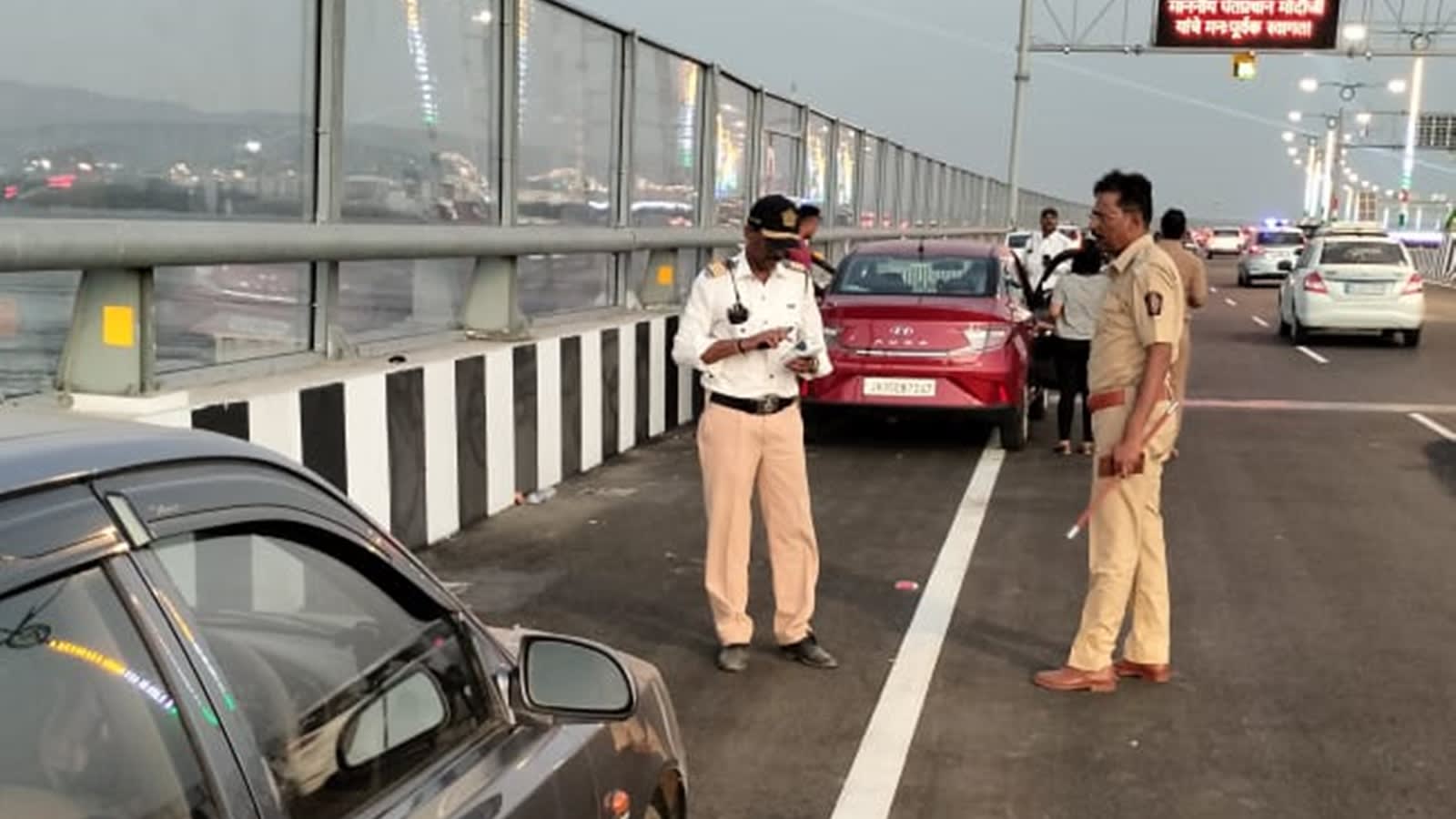
Indian authorities are integrating AI tools like Trafficure in Pune to manage festival congestion and leveraging advanced computer vision for railway safety. These initiatives mark a significant shift toward data-driven infrastructure management to reduce accidents and improve operational efficiency.
AI Integration in Indian Infrastructure: A New Era of Predictive Management
The integration of Artificial Intelligence (AI) into public infrastructure management in India has reached a critical inflection point. As authorities move from reactive manual oversight to proactive, data-driven decision-making, the deployment of AI in cities like Pune for festival management and across the national rail network signifies a transformative approach to public safety and urban efficiency.
Pune's Ganeshotsav: AI-Driven Traffic Orchestration
During the upcoming Ganeshotsav festival, the Pune Traffic Control Branch is pioneering the use of the 'Trafficure' platform. This AI-based tool is designed to move beyond traditional traffic management by predicting congestion patterns before they reach critical levels. By analyzing real-time data, the platform allows the police force to dynamically redeploy personnel to high-traffic zones, ensuring a more fluid movement of crowds and vehicles. This shift from static deployment to agile, intelligence-led resource allocation is essential for managing the sheer volume of attendees during large-scale cultural events.
Enhancing Railway Safety via Advanced Vision
Parallel to urban traffic management, Indian Railways is undergoing a technological overhaul spearheaded by the Research Designs and Standards Organisation (RDSO). Through the implementation of the Integrated Track Management System (ITMS), officials are utilizing computer vision to conduct automated inspections of rails, sleepers, and fastenings. This transition replaces labor-intensive manual inspections with precise, technology-led monitoring, significantly reducing the risk of human error and identifying structural defects before they cause operational failures.
Mitigating Ecological and Operational Risks
The application of AI extends beyond simple asset maintenance. The RDSO is also utilizing AI-driven technologies to prevent elephant fatalities along railway tracks—a persistent environmental and safety challenge. By deploying sensors and predictive algorithms, the railway system can better manage train speeds and alerts in wildlife-prone corridors, balancing the requirements of modern transportation with the imperative of wildlife conservation.
The Future of Smart Governance
The broader implications of these initiatives suggest a future where Indian infrastructure is governed by high-fidelity data analytics. By sharing daily analytical reports on congestion with citizens, the Pune police are fostering transparency and public cooperation, turning traffic management into a collaborative effort. As these AI models continue to learn from historical data, the accuracy of predictive jamming reports and maintenance schedules will only improve, leading to long-term cost savings and increased public trust.
Conclusion: Scaling Tech-Led Safety
The adoption of tools like Trafficure and ITMS demonstrates that India is successfully scaling AI for practical, high-impact public utility. As these systems mature, they provide a scalable blueprint for other cities and sectors to follow, ensuring that the rapid growth of urban and transport infrastructure is matched by equally robust, intelligent safety frameworks.