AI chatbots recommend shopping at Walmart over just about anywhere else, analysts find
Source Entity
Bill Peters
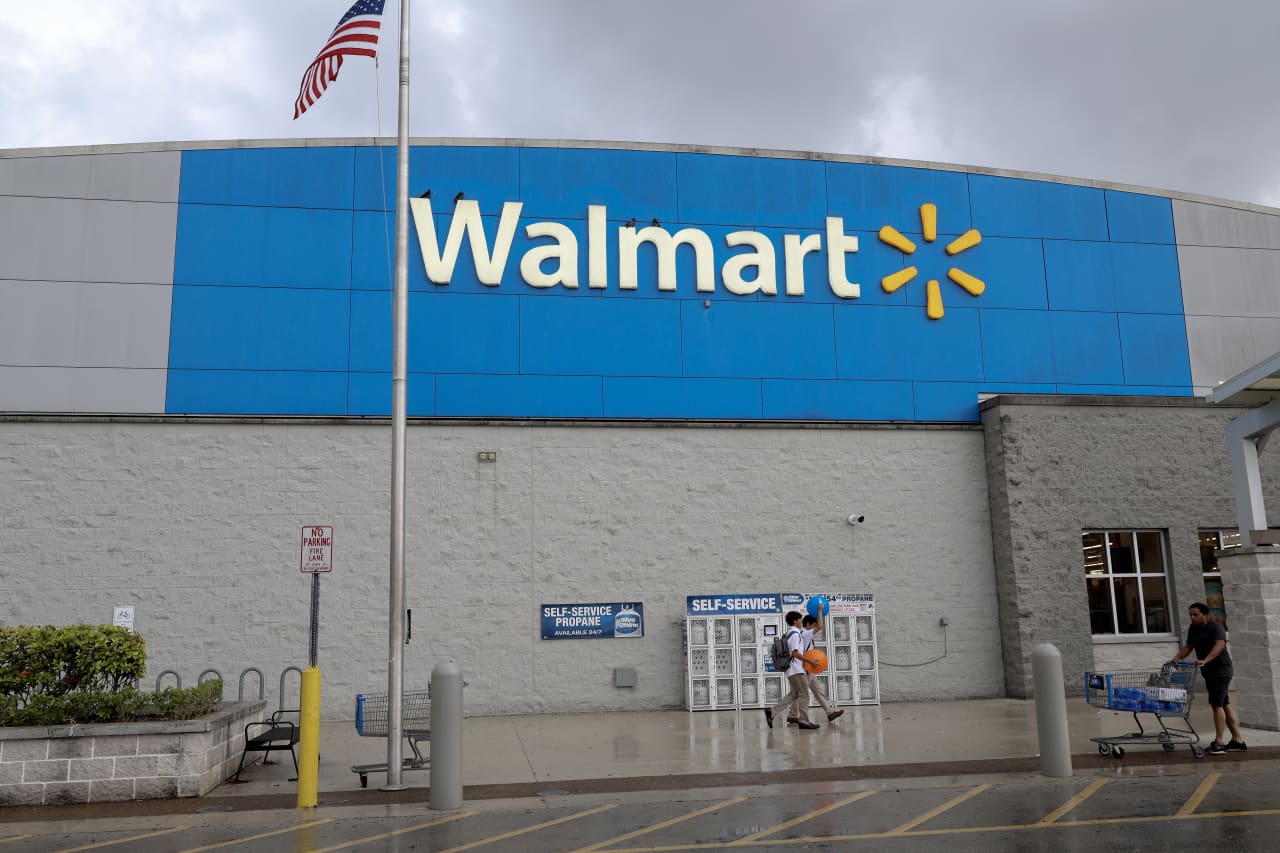
Analysts at UBS identify AI recommendation engines as the next major retail battleground. Findings suggest AI chatbots are increasingly favoring Walmart as a primary shopping destination.
The Rise of AI-Driven Retail Dominance
Recent analysis from UBS highlights a critical shift in the digital consumer landscape, identifying AI recommendation engines as the new, high-stakes battleground for global retail giants. As consumer reliance on conversational AI for product discovery and shopping guidance grows, the algorithms powering these tools are becoming the primary gatekeepers of market share. This transition marks a departure from traditional search engine optimization (SEO), shifting the focus toward 'AI optimization' where visibility is determined by a chatbot's internal logic rather than mere keyword prevalence.
Walmart's Strategic Advantage in the Algorithmic Era
The finding that AI chatbots are disproportionately recommending Walmart suggests that the retail behemoth has successfully integrated its supply chain and data infrastructure to align with the needs of large language models. By providing structured, high-availability, and price-competitive data, Walmart has effectively positioned itself as the 'default' answer for AI assistants. This creates a powerful feedback loop: as the AI recommends the retailer more often, consumer traffic increases, further validating the model's preference for the brand in future iterations.
The Shift from Search to Synthesis
Historically, retail competition was defined by physical proximity and digital search rankings. Today, the battlefield has moved to the synthesis layer of AI. Unlike search engines that provide a list of links, chatbots provide a singular, authoritative recommendation. This shift fundamentally alters the consumer journey, as shoppers are less likely to browse multiple retailers when an AI provides a specific, actionable suggestion. This 'winner-take-all' dynamic poses a significant challenge to smaller retailers who lack the data footprint to influence these algorithmic preferences.
Broader Implications for Digital Marketing
The dominance of specific retailers in AI recommendations suggests that digital marketing strategy must evolve rapidly. Companies must now prioritize 'AI-first' visibility, ensuring their inventory data is optimized for machine readability and high-confidence retrieval. If AI models continue to favor Walmart, other retailers may find themselves excluded from the most valuable segment of the digital funnel, necessitating a rethink of how brands cultivate loyalty when the intermediary—the AI—is making the final choice.
Future Trends in Retail AI
As we look forward, the competition for 'AI mindshare' will likely intensify. Retailers will need to invest heavily in data partnerships with AI developers to ensure their platforms are prioritized. We are moving toward a future where the efficacy of a retailer's AI integration will be as critical to its bottom line as its physical footprint. The trend identified by UBS serves as a bellwether for a broader consolidation of retail power, centered not on shelf space, but on the training data that shapes AI decision-making.
Verification Required?