It used to be our imperfect bodies that made us insecure. With AI, it’s our minds as well
Source Entity
Joseph de Weck
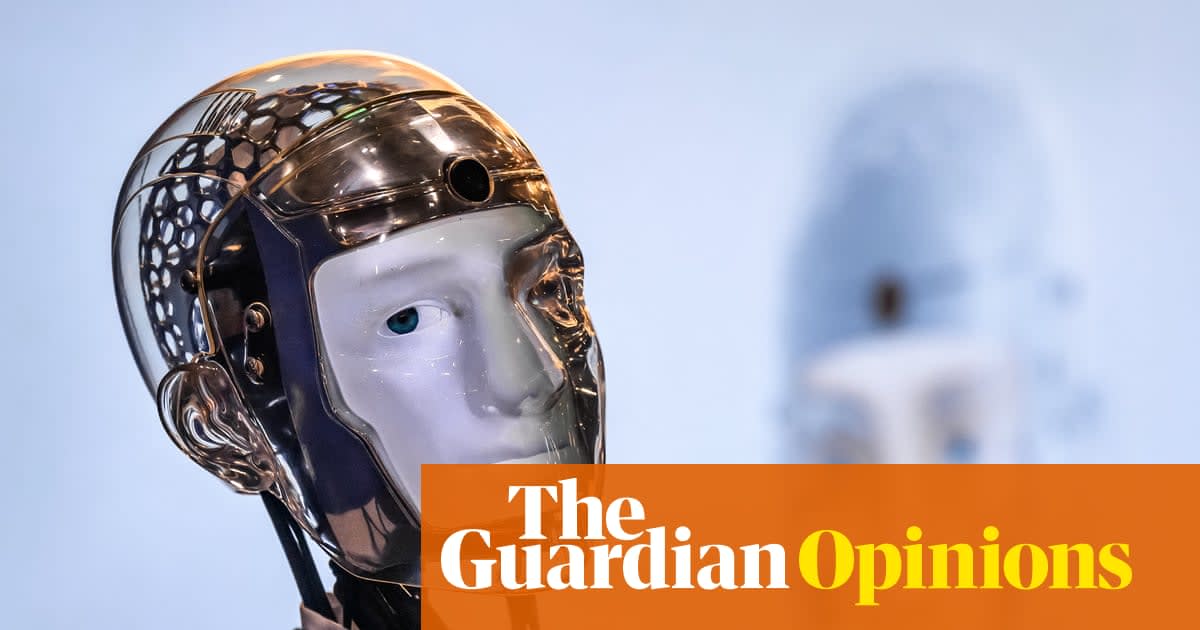
The emergence of AI-enhanced imagery is blurring the lines between reality and artifice, creating an 'uncanny valley' effect for public figures. This technological shift challenges our perception of authenticity and risks normalizing distorted standards of human appearance.
The Digital Mirage: AI and the Erosion of Authentic Identity
Recent observations of public figures like John Travolta and Carla Bruni have ignited a complex conversation regarding the intersection of artificial intelligence, cosmetic perception, and digital identity. As these individuals appear in high-profile media, their features often trigger a visceral sense of unease—a feeling that they are merely approximations of their true selves. This phenomenon highlights a growing trend where technological intervention, whether through sophisticated image editing or AI-driven aesthetic modification, subtly alters how we perceive the human face.
The Resurgence of the Uncanny Valley
To understand this modern unease, one must revisit Masahiro Mori’s 1970 concept of the "uncanny valley." Mori theorized that as robots or digital avatars become increasingly human-like, they eventually hit a point where they appear 'almost' human but not quite, triggering a negative psychological response. Today, this concept has migrated from the realm of robotics into the social media feed. When we see public figures whose faces appear slightly altered or digitally smoothed beyond natural aging, we are effectively staring into a modern-day uncanny valley, where the brain struggles to reconcile the familiar identity with the artificial presentation.
The Shift from Physical to Cognitive Insecurity
Historically, societal pressures regarding appearance were centered on the physical body—diet, exercise, and the traditional aesthetics of youth. However, the integration of AI into our visual consumption has shifted this insecurity to a cognitive level. Because AI can now generate or manipulate images with such precision, the observer is no longer just questioning the physical reality of a person; they are questioning their own perception of reality. This creates a cognitive dissonance where the viewer feels insecure not only about their own appearance but about the veracity of what they are seeing on their screens.
Broader Implications for Media Authenticity
This trend poses significant challenges for digital literacy and media consumption. As AI tools become more accessible, the barrier between a candid photograph and a synthetic representation continues to dissolve. When prominent figures are subject to these digital enhancements—whether through personal choice or media-driven filters—it sets an unsustainable standard for the public. This normalization of 'perfected' or 'approximated' imagery risks alienating audiences and fostering a culture of perpetual dissatisfaction with natural human aging.
Future Trends and Ethical Considerations
Moving forward, the prevalence of AI-generated or AI-enhanced content is likely to increase, necessitating a more critical approach to how we consume imagery. We are entering an era where 'authenticity' will become a premium commodity. As we navigate this landscape, the psychological impact of constant exposure to these digital approximations will require us to develop new frameworks for understanding identity. The challenge lies in balancing technological advancement with the preservation of human nuances, ensuring that the digital tools we build do not ultimately erode the very humanity they aim to represent.