The Three-Second Theft: Why AI Voice Fraud Outruns Every Defence
Source Entity
Hacker News
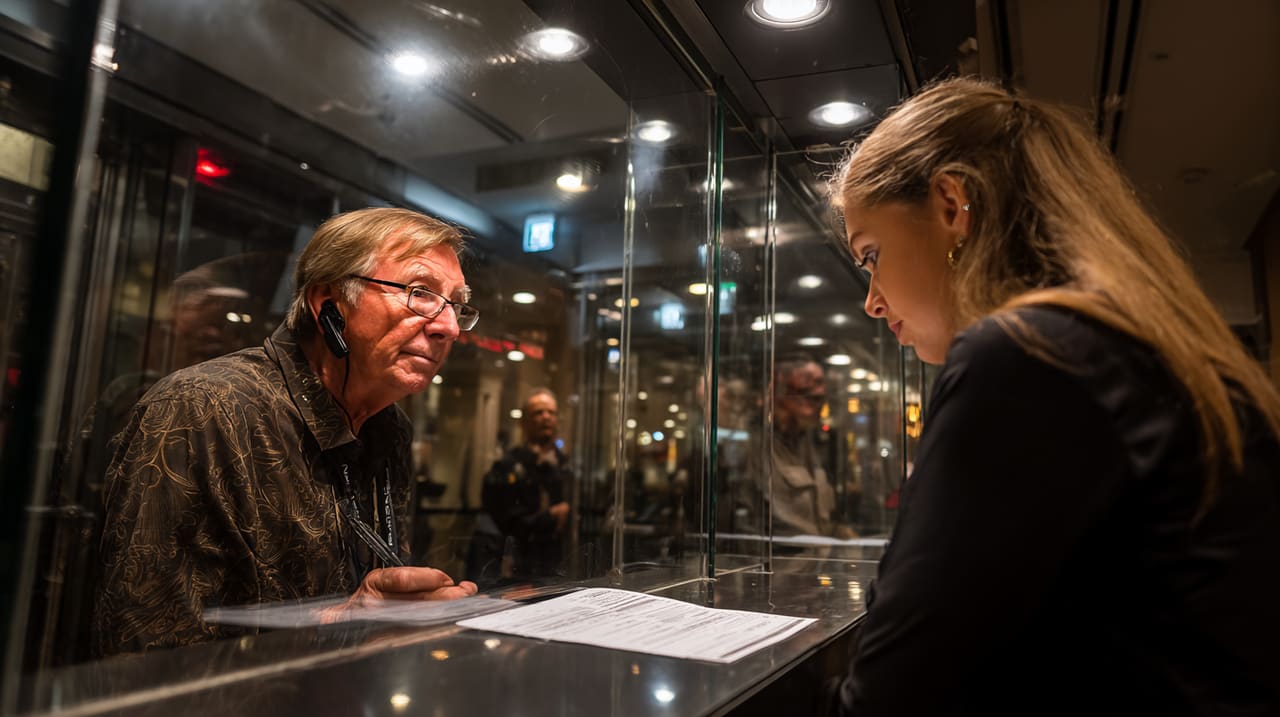
The rise of AI voice cloning allows fraudsters to mimic any individual's voice with as little as three seconds of audio, rendering traditional voice-based authentication and human intuition obsolete and creating a critical security gap in personal and corporate communications.
The Erosion of Auditory Trust: Analyzing the 'Three-Second Theft'
The emergence of high-fidelity AI voice cloning represents a paradigm shift in the landscape of social engineering. For decades, the human voice served as a reliable biometric marker—a unique identifier that combined pitch, cadence, and emotional inflection to signal identity. However, as highlighted by the concept of the "Three-Second Theft," the barrier to entry for sophisticated impersonation has collapsed. Modern generative AI models can now ingest a tiny fragment of audio—often harvested from a social media clip, a voicemail, or a public speech—and synthesize a near-perfect replica of that individual's voice in real-time. This technological leap transforms a simple recording into a weaponized tool for fraud.
The Mechanics of Rapid Synthesis
At the core of this threat is the advancement of neural networks and deep learning architectures specifically designed for text-to-speech (TTS) and voice conversion. Unlike older synthesis methods that sounded robotic, contemporary AI utilizes "zero-shot" learning, allowing the system to generalize the characteristics of a voice from a minimal sample without needing hours of training data. By analyzing the spectral features and prosody of a three-second clip, the AI can map the target's vocal identity onto a synthetic framework. When paired with Large Language Models (LLMs) that can generate convincing, context-aware scripts, the result is a seamless, interactive fraud experience that can deceive even those closest to the victim.
The Failure of Traditional Defenses
Historically, security protocols relied on "out-of-band" verification or the inherent trust associated with a known voice. The "Three-Second Theft" renders these defenses obsolete because it attacks the psychological layer of trust. When a person hears the voice of a child, a spouse, or a CEO in a state of distress, the brain's emotional response often overrides critical thinking. This is why AI voice fraud "outruns every defense"; it doesn't bypass a firewall or crack a password, but rather hacks the human operating system. Even corporate voice-biometric security systems, once touted as the gold standard for banking and identity verification, are now vulnerable to "replay attacks" or synthetic injections that mimic the legitimate user's biometric signature.
Broader Implications for Corporate and Personal Security
The implications extend far beyond simple phishing calls. In a corporate context, we are seeing the rise of "CEO Fraud 2.0," where synthetic audio is used to authorize emergency wire transfers or disclose sensitive trade secrets. On a personal level, "virtual kidnapping" scams have surged, where fraudsters use cloned voices of family members to extort money under the guise of an emergency. This creates a pervasive environment of skepticism where the primary mode of human connection—speech—is no longer a guarantee of presence or identity. The societal cost is a growing "trust deficit," where individuals may hesitate to respond to genuine emergencies for fear of being targeted by a deepfake.
Predicting the Future: The Arms Race of Verification
Looking forward, the battle between AI fraudsters and security experts will evolve into a sophisticated arms race. We can expect the development of "audio watermarking" and cryptographic signatures for live voice streams, where a digital certificate proves the audio is originating from a verified biological source. Additionally, there will likely be a resurgence of "analog" security measures, such as shared family passwords or "challenge-response" questions that rely on private, non-digitized memories. As AI continues to evolve, the industry will move toward a "Zero Trust" architecture for audio, where no voice call is considered authentic until verified through a secondary, independent digital channel.
Summary
The "Three-Second Theft" is more than a technical glitch in our security systems; it is a fundamental challenge to how we verify identity in the digital age. By reducing the requirement for voice cloning to a mere three seconds of audio, attackers have weaponized intimacy and trust. To combat this, society must move away from relying on biological markers like voice and embrace a multi-layered approach to identity verification that combines technical safeguards with a renewed culture of skepticism and verification.