AIIMS Delhi director’s post up for grabs, 65 doctors apply
Source Entity
Anonna Dutt
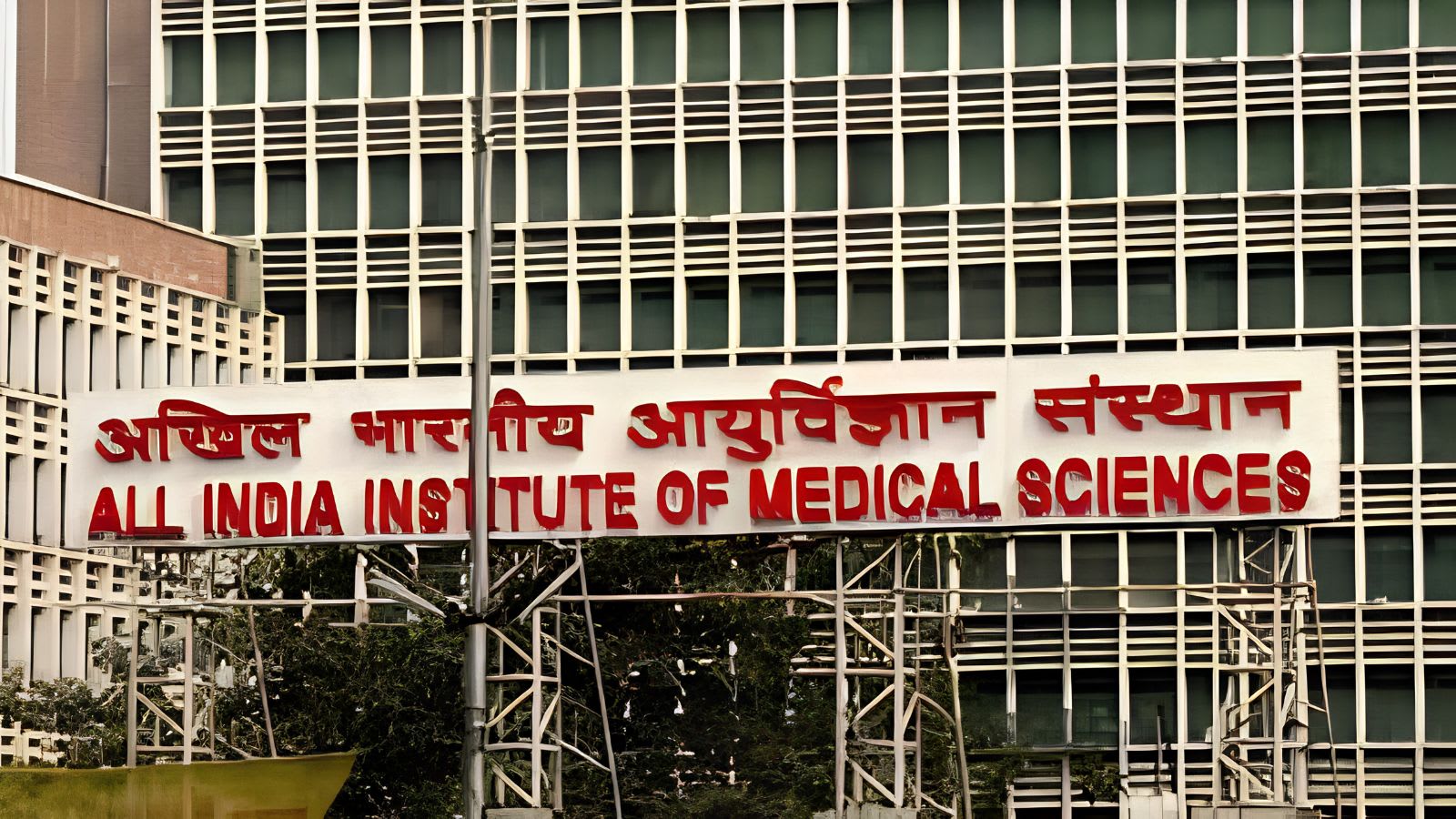
Sixty-five candidates have applied for the position of AIIMS Delhi director following Dr. M Srinivas's transition to the NITI Aayog. The selection process is currently underway with a diverse pool of applicants from public and private sectors.
Transition at the Helm: The Search for the Next AIIMS Delhi Director
The All India Institute of Medical Sciences (AIIMS) in Delhi, a premier medical institution and a cornerstone of India's public healthcare infrastructure, is currently undergoing a significant leadership transition. With the appointment of the former director, Dr. M Srinivas, to the NITI Aayog in April, the institute has been managed by an acting director. The announcement that sixty-five medical professionals have applied for this prestigious and demanding role highlights the continued high standing of AIIMS Delhi within the national medical landscape.
The Constraints of Selection
One of the most notable aspects of this recruitment cycle is the strict adherence to administrative criteria, specifically the age limit. Dr. Nikhil Tandon, who has been serving as the acting director, is ineligible for the permanent position due to the 62-year age cap. This regulatory hurdle underscores the government's push for a generational shift in leadership, ensuring that the individual at the helm of India's top medical school has a sufficient runway to implement long-term policy changes and institutional reforms.
A Diverse Pool of Talent
The applicant pool is remarkably broad, reflecting the prestige associated with the directorship. Candidates include heads of departments from within AIIMS Delhi, directors of various AIIMS satellite institutes across India, and medical professionals currently working in the private sector. This cross-pollination of applicants suggests that the role is viewed not merely as an administrative appointment but as a critical opportunity to shape the future of medical education, research, and patient care in the country.
Gender Representation and Institutional Trends
Notably, the applicant list includes several women, a development that carries significant weight given the current leadership landscape in Delhi's central government hospitals. As these institutions look to modernize, the inclusion of diverse leadership candidates is increasingly viewed as vital for fostering inclusive policy-making. This trend aligns with broader efforts in the Indian public sector to ensure that top-tier administrative roles are accessible and representative of the nation's medical workforce.
Challenges and Future Implications
The incoming director will face a complex set of challenges, ranging from managing the immense patient load at AIIMS to overseeing cutting-edge clinical research and maintaining the institute's ranking as a global medical hub. The transition period, while currently handled by interim leadership, necessitates a permanent appointment to provide the stability required for the institute's ongoing expansion projects and digital health initiatives.
Conclusion
The search for the new AIIMS Delhi director is a pivotal moment for the institution. With sixty-five qualified applicants vying for the post, the selection committee faces the task of identifying a leader who can balance the clinical demands of a massive public hospital with the academic rigor of a research-oriented university. As the process moves forward, the healthcare community awaits a decision that will likely set the tone for public medical administration in India for the coming years.