6-hour surgery, 5-week planning: India’s first-of-its-kind fetal repair performed at AIIMS
Source Entity
Tabshir Shams
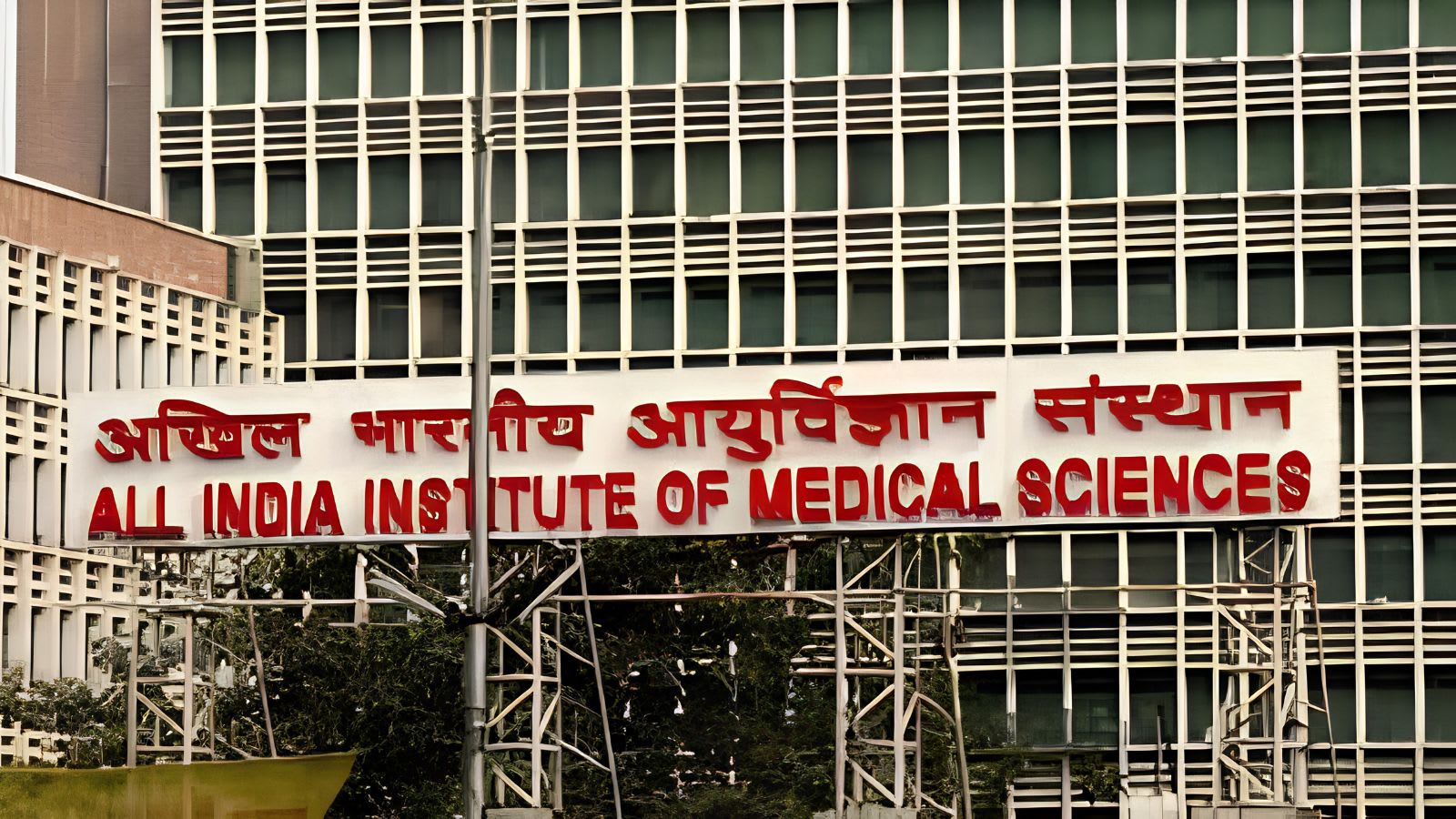
Surgeons at AIIMS Delhi have successfully performed India's first open fetal repair surgery for severe spina bifida. This landmark procedure marks a significant advancement in prenatal medicine for the country.
A Landmark Achievement in Fetal Medicine at AIIMS
In a historic milestone for Indian medical science, surgeons at the All India Institute of Medical Sciences (AIIMS) in Delhi have successfully conducted the nation's first open fetal repair surgery. The procedure targeted a lumbosacral myelomeningocele, the most severe manifestation of spina bifida. This complex intervention, which took place on November 12, represents a significant leap forward in the country's capacity to address congenital defects before birth.
The Complexity of the Procedure
The surgery was the culmination of five weeks of meticulous planning involving a multidisciplinary team of over 30 medical professionals, including surgeons, nurses, and support staff. The operation, which lasted six hours, required extreme precision. Performed at 25 weeks of gestation, the procedure involved operating on the fetus while still inside the womb to correct a defect where the spinal cord and its protective coverings protrude through a gap in the spine.
Understanding the Medical Condition
Spina bifida is a congenital condition that originates in the first month of pregnancy when the neural tube—the precursor to the brain and spinal cord—fails to close completely. The specific form treated at AIIMS, myelomeningocele, is particularly dangerous as it leaves the spinal cord exposed. If left untreated, this condition can lead to severe lifelong consequences, including paralysis, the accumulation of fluid in the brain, and significant neurological impairment.
Broader Implications for Prenatal Care
This successful surgery changes the prognosis for children born with such severe defects. By performing the repair in utero, medical teams can mitigate the progression of neurological damage that typically occurs during the later stages of pregnancy. This shift from postnatal to prenatal intervention highlights a growing trend in global medicine toward early-stage treatment to improve the quality of life for newborns.
Future Trends and Medical Infrastructure
The execution of this procedure at AIIMS underscores the rising standard of specialized surgical care in India. As institutions gain experience with such complex fetal surgeries, we can expect an increase in the availability of prenatal interventions for other conditions. The success of this 30-person team serves as a blueprint for future complex surgeries, potentially establishing India as a regional hub for advanced fetal medicine and fetal surgery training.
Conclusion
The successful completion of India's first open fetal repair is a testament to the dedication of the medical team at AIIMS and the advancement of surgical technology in the country. By addressing the defect at the 25-week mark, doctors have provided the patient with a significantly better chance at a healthy life, setting a new precedent for the future of neonatal and fetal health care in India.