AIMIM, ASP join hands for 2027 UP assembly polls
Source Entity
Latest News: Todays Latest News Headlines from India & World | Hindustan Times
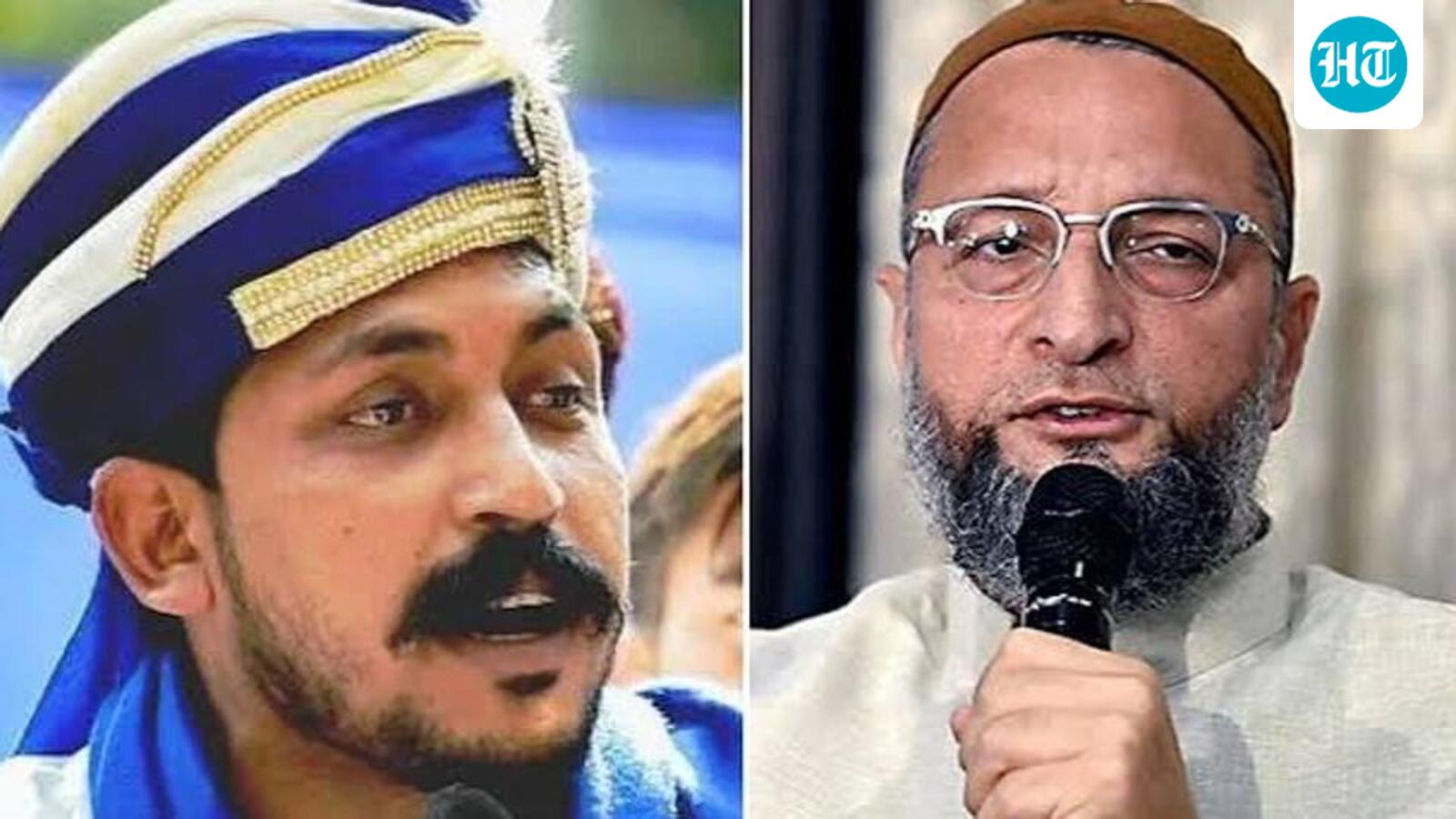
AIMIM leader Asaduddin Owaisi and ASP chief Chandra Shekhar Azad have formed an alliance for the 2027 Uttar Pradesh assembly elections. The coalition aims to consolidate Dalit and Muslim votes, particularly in western UP and the Rohilkhand region.
The Rise of a New Dalit-Muslim Coalition in Uttar Pradesh
In a significant development for the upcoming 2027 Uttar Pradesh assembly elections, All India Majlis-e-Ittehadul Muslimeen (AIMIM) president Asaduddin Owaisi and Azad Samaj Party (ASP) chief and Nagina MP Chandra Shekhar Azad have confirmed a formal political alliance. This partnership, which has been the subject of intense speculation in political circles for some time, is set to be officially unveiled at a joint press conference in Lucknow. By aligning forces, these two leaders aim to challenge the existing political hegemony in the state by appealing directly to marginalized demographics.
Strategic Focus on Key Demographics
The core objective of this alliance is the consolidation of the Dalit and Muslim vote banks, which have historically been pivotal in Uttar Pradesh's electoral landscape. The coalition intends to concentrate its efforts on constituencies in western Uttar Pradesh and the Rohilkhand region, areas where these communities hold significant demographic influence. By targeting these specific geographic pockets, the alliance hopes to create a formidable challenge to the traditional major political parties that have long vied for control in the state.
The Failure of Past Alignment Efforts
Both Asaduddin Owaisi and Chandra Shekhar Azad have publicly acknowledged that their initial political preference was to align with larger entities, specifically the Samajwadi Party (SP) and the Indian National Congress. The decision to forge a third-front alliance suggests a mutual frustration with the seat-sharing negotiations or ideological alignment with these larger parties. This shift underscores a desire to carve out an independent political space that prioritizes the specific agendas of their respective constituencies rather than playing second fiddle to established state players.
Implications for the 2027 Electoral Landscape
As the 2027 assembly elections approach, this alliance signals a potential fragmentation of the traditional opposition vote. In a state where electoral margins can be incredibly thin, the entry of a cohesive Dalit-Muslim front could significantly alter the winnability of various seats. By positioning themselves as an alternative power center, Owaisi and Azad are attempting to shift the narrative from traditional caste-based politics toward a more unified platform for the underprivileged.
Future Trends and Challenges
The success of this alliance will largely depend on the ability of the two leaders to translate ideological unity into ground-level electoral mobilization. While both leaders command significant grassroots influence—Owaisi through his oratorical reach and Azad through his active mobilization of the Dalit youth—the challenge remains to sustain this momentum across diverse constituencies. As they prepare to announce the distribution of seats, the political landscape in Uttar Pradesh will likely witness increased polarization and heightened competition, setting the stage for a high-stakes campaign season.
Multiple Citing Sources
Verification Required?