Air India begins drug testing of all pilots after Phuket-Delhi flight incident
Source Entity
SAURABH SINHA
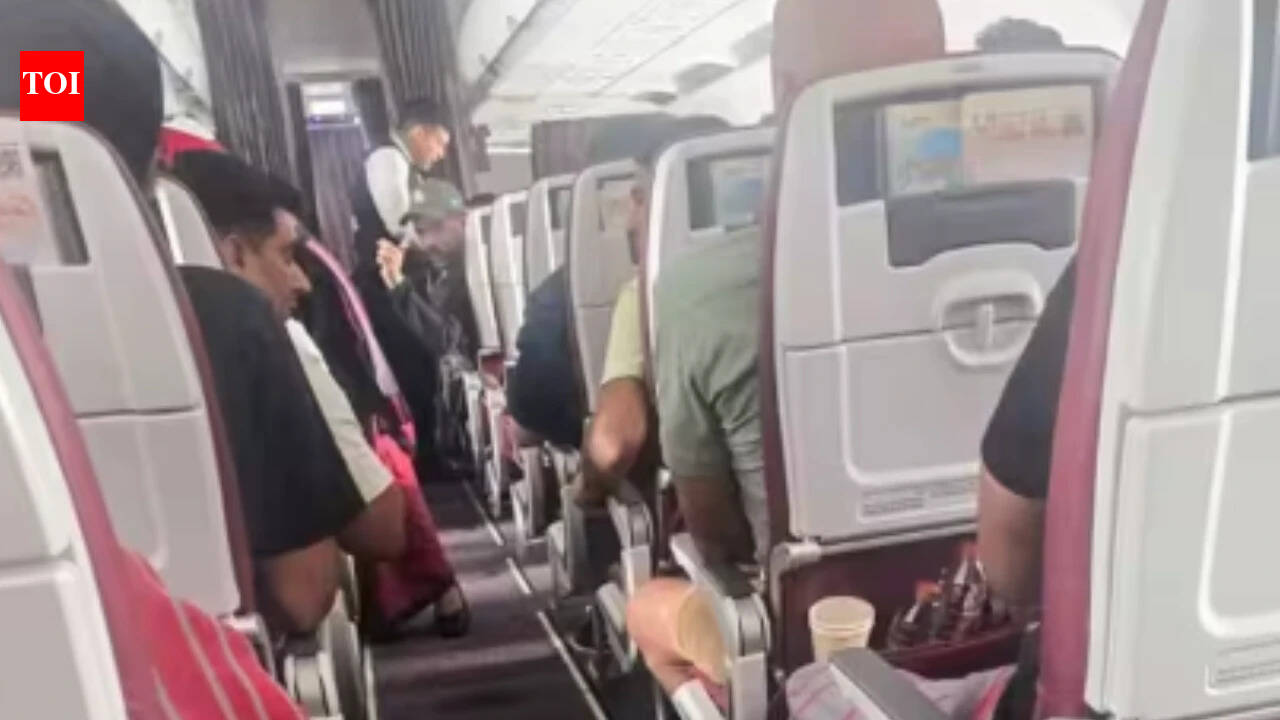
Air India has implemented mandatory drug testing for all pilots following a Phuket-Delhi flight incident where the pilot tested positive for marijuana. The airline aims to restore institutional trust and safety standards through this comprehensive screening initiative.
Air India Implements Mandatory Substance Screening Following Safety Incident
Following a serious mid-air incident involving a Phuket-Delhi flight, Air India has initiated a mandatory substance screening program for all its pilots, including those operating under the Air India Express brand. The move comes as a direct response to a safety crisis where the pilot-in-command of the flight in question tested positive for marijuana. This incident, which reportedly involved the aircraft losing 300 feet of altitude and resulting in 24 injuries, has prompted the airline to take aggressive measures to ensure passenger safety and operational integrity.
Expanding Beyond Regulatory Mandates
Air India’s new policy, which began on August 13, requires all pilots to undergo testing for substances and medications not permitted under current aviation regulations. Significantly, the airline has stated that this initiative goes beyond standard regulatory requirements. By conducting these tests concurrently with pilot training at their Gurugram facility or at various destination offices for those currently in flight, the airline is attempting to create a comprehensive safety net that covers its entire pilot workforce regardless of their location.
The Role of Corporate Culture and Transparency
In the wake of these events, outgoing Air India CEO Campbell Wilson emphasized the necessity of cultivating a 'culture of trust and transparency' within the organization. During a recent townhall, Wilson urged staff to act with integrity even when unsupervised and encouraged the voluntary reporting of any transgressions. While Wilson did not explicitly name the Phuket-Delhi flight, his call for ethical vigilance is widely interpreted as a direct response to the breach of trust caused by the positive drug test results.
Implications for Aviation Safety
This development marks a significant shift in how legacy carriers manage human factors in aviation safety. By implementing systematic, company-wide screening, Air India is signaling that it is no longer relying solely on periodic or random regulatory checks. Instead, the airline is adopting a proactive stance to identify potential risks before they manifest in the cockpit. This approach is essential for maintaining the 'decades of trust' that the airline has worked to build, particularly as it undergoes a period of organizational transformation.
Future Trends in Pilot Conduct
Moving forward, the aviation industry will likely watch Air India’s pilot screening program as a potential benchmark for other carriers. The integration of substance screening into routine training cycles suggests that airlines are increasingly viewing psychological and physical fitness as a continuous requirement rather than a static certification. As the industry faces greater scrutiny over safety protocols, such rigorous internal policies may become the new standard for major airlines aiming to prevent incidents linked to pilot impairment.
Conclusion
Air India’s decision to mandate drug testing for its pilot group is a decisive action taken in response to a grave safety incident. By combining strict substance screening with a leadership-driven push for a culture of accountability, the airline is attempting to address both the immediate safety concerns and the deeper issue of institutional reliability. Whether these measures successfully mitigate future risks remains to be seen, but they represent a clear commitment to restoring safety standards in a high-stakes industry.
Multiple Citing Sources