Assam MLA Akhil Gogoi Urges Opposition Unity Over Women's Quota Bill
Source Entity
NDTV News Search Records Found 1000
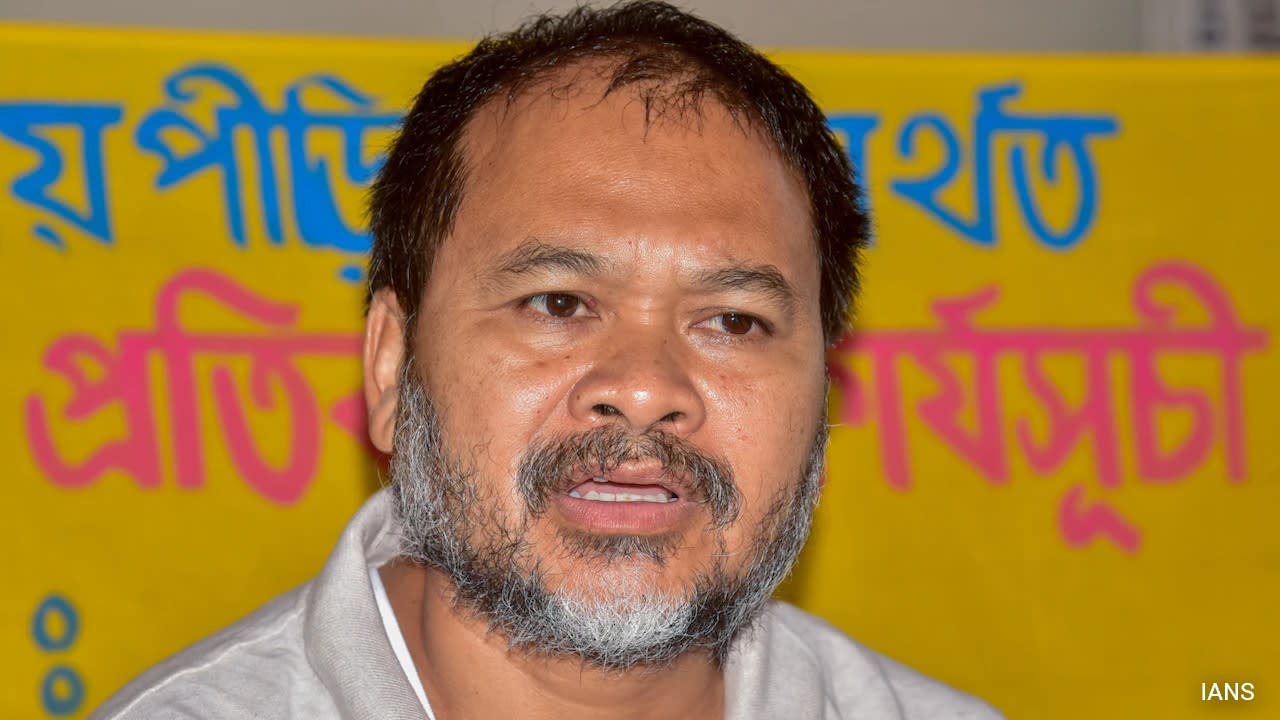
Assam MLA Akhil Gogoi has called for a unified opposition front to push for the implementation of the Women's Reservation Bill. He emphasizes that collective pressure is essential to ensure the bill's effective execution in the political landscape.
The Push for Legislative Gender Parity
Assam MLA Akhil Gogoi has recently ignited a critical dialogue regarding the implementation of the Women's Reservation Bill, formally known as the Nari Shakti Vandan Adhiniyam. By urging opposition parties to present a united front, Gogoi is highlighting the necessity of bipartisan or multi-party consensus to ensure that landmark legislation regarding gender representation does not remain merely symbolic. His call underscores a growing sentiment that legislative milestones require sustained political advocacy to translate into tangible shifts in parliamentary demographics.
The Necessity of Opposition Unity
In the context of the Indian parliamentary system, the efficacy of major social legislation often hinges on the ability of the opposition to maintain a cohesive narrative. Gogoi’s strategy suggests that individual party efforts are insufficient to hold the ruling dispensation accountable for the rollout of the quota. By pushing for collective action, he aims to prevent the dilution of the bill's intent and ensure that the inclusion of women in legislative bodies remains at the forefront of the national political agenda.
Historical Context of the Quota Bill
The journey of the Women's Reservation Bill has been marked by decades of debate, spanning multiple governments and intense parliamentary friction. For years, the legislation faced hurdles ranging from concerns over internal party democracy to demands for sub-quotas. Akhil Gogoi’s current intervention is a continuation of this historical struggle, shifting the focus from the initial passage of the bill to the practicalities of its operationalization and the timeline for its implementation across various levels of governance.
Implications for Assam and Beyond
For a state like Assam, where political dynamics are complex and often defined by regional identity and social stratification, the implementation of a national women's quota carries significant weight. Gogoi’s insistence on unity suggests that he views this not just as a national issue, but as one that will reshape the electoral landscape of his home state. Increased women's representation is expected to alter policy priorities, potentially shifting the focus toward grassroots issues such as maternal health, education, and local economic development.
Future Trends in Political Representation
Looking ahead, the call for unity by leaders like Gogoi signals a potential trend where opposition parties may increasingly align on 'identity-based' legislative goals to counter the ruling party’s dominance. If the opposition successfully organizes around this bill, it could set a precedent for future collaborative efforts on other social welfare and rights-based legislation. The success of this initiative will likely serve as a litmus test for the opposition's ability to transcend ideological differences in favor of systemic reform.
Conclusion
In summary, Akhil Gogoi’s appeal for opposition unity is a strategic move to ensure that the promise of the Women's Reservation Bill is realized. By emphasizing collective action, he is advocating for a robust democratic process where the voices of marginalized groups are institutionalized within the halls of power. Whether this call for unity gains the necessary momentum will be a key indicator of the political climate in the months to come.
Verification Required?