Activist demands immediate monitoring of BJP-SP social media war in U.P. ahead of Assembly polls
Source Entity
India Latest News: Top National Headlines Today & Breaking News | The Hindu
Samajwadi Party leader Akhilesh Yadav is intensifying his rhetoric against the BJP ahead of the 2027 U.P. assembly polls, claiming a shift in voter sentiment. His planned visit to Ayodhya has sparked political friction, while activists prepare to monitor the digital landscape for potential campaign irregularities.
The Shifting Political Landscape in Uttar Pradesh
As the 2027 Uttar Pradesh Assembly elections approach, the political temperature in the state has reached a fever pitch. Samajwadi Party (SP) President Akhilesh Yadav has launched a multi-pronged strategy to challenge the ruling Bharatiya Janata Party (BJP), framing the upcoming contest as a fundamental shift in public mandate. By asserting that the dynamic has moved from the previously discussed "80 versus 20" metric to a "95 versus 5" scenario, Yadav is attempting to consolidate a broad coalition of farmers, youth, workers, and traders against the current administration.
The Ayodhya Pilgrimage as a Political Flashpoint
Central to this pre-election maneuvering is Akhilesh Yadav’s scheduled visit to the Ram Temple in Ayodhya this December. The BJP has labeled the visit as "politically motivated," reflecting the intense sensitivity surrounding religious sites in U.P. politics. In response, Yadav has adopted a defensive-offensive stance, declaring that "God belongs to everyone." By signaling his intent to also visit Kedareshwar, Mathura, and Vrindavan, the SP leader is clearly aiming to neutralize the BJP's traditional advantage in the Hindu nationalist space, suggesting that his party is not an outsider to these cultural touchstones.
Allegations of Electoral Malpractice
Beyond cultural symbolism, the rhetoric has turned toward the mechanics of the electoral process itself. Akhilesh Yadav has leveled serious accusations against the BJP, alleging that the ruling party relies on "dishonesty and rigging" to maintain power. His call to link voter lists with Aadhaar and his directive to party workers to aggressively protect their booths suggest a deep-seated distrust in the current institutional oversight. This focus on the integrity of the voter list serves as a rallying cry for his base, framing the 2027 election as a struggle for democratic survival.
Digital Warfare and External Monitoring
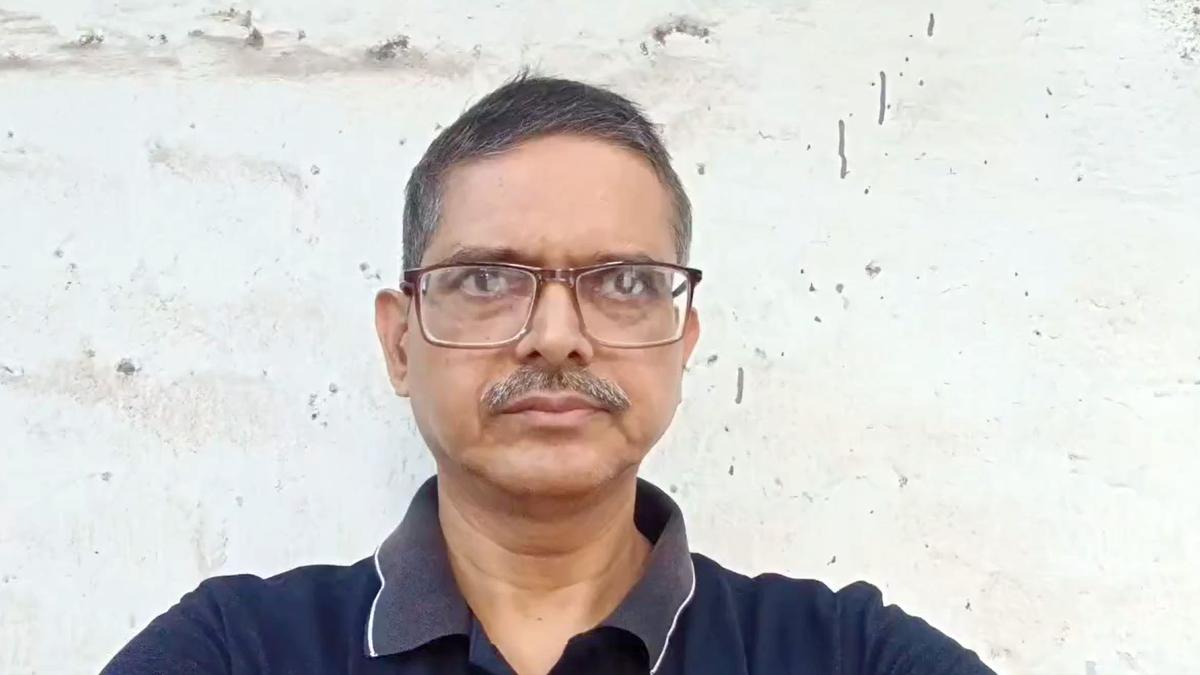
Recognizing that the battle for U.P. is increasingly being fought in the digital arena, the discourse has drawn the attention of third-party observers. Activist Amitabh Thakur and his party, the Azad Adhikar Sena, have announced plans for independent monitoring of social media content. This development highlights the growing concern over unlawful propaganda and the potential for inflammatory narratives to skew electoral outcomes. The move underscores the volatile nature of the information environment as both major parties ramp up their digital operations.
Economic Discontent as a Catalyst
Throughout his recent addresses, Yadav has consistently tied his political narrative to the economic hardships facing the common citizen. By highlighting issues such as high prices, unemployment, and the alleged destruction of livelihoods, he is attempting to pivot the conversation away from identity politics and toward governance and economic performance. Whether this strategy will resonate with the electorate remains to be seen, but the intensity of the rhetoric indicates that both the SP and the BJP are preparing for a highly contentious and closely watched electoral cycle.
Conclusion: A High-Stakes Future
As the state moves toward 2027, the intersection of religious symbolism, electoral integrity, and economic anxiety will define the political landscape. The Samajwadi Party’s aggressive outreach, coupled with the BJP’s defensive posture and the emergence of third-party digital watchdogs, suggests that the upcoming election will be defined by deep polarization and intense scrutiny of every administrative action.
Verification Required?