Jeopardy's Alex Trebek donated 74 acres in 1998; his $2 million gift helped protect wildlife and open space
Source Entity
Latest News: Todays Latest News Headlines from India & World | Hindustan Times | Hindustan Times
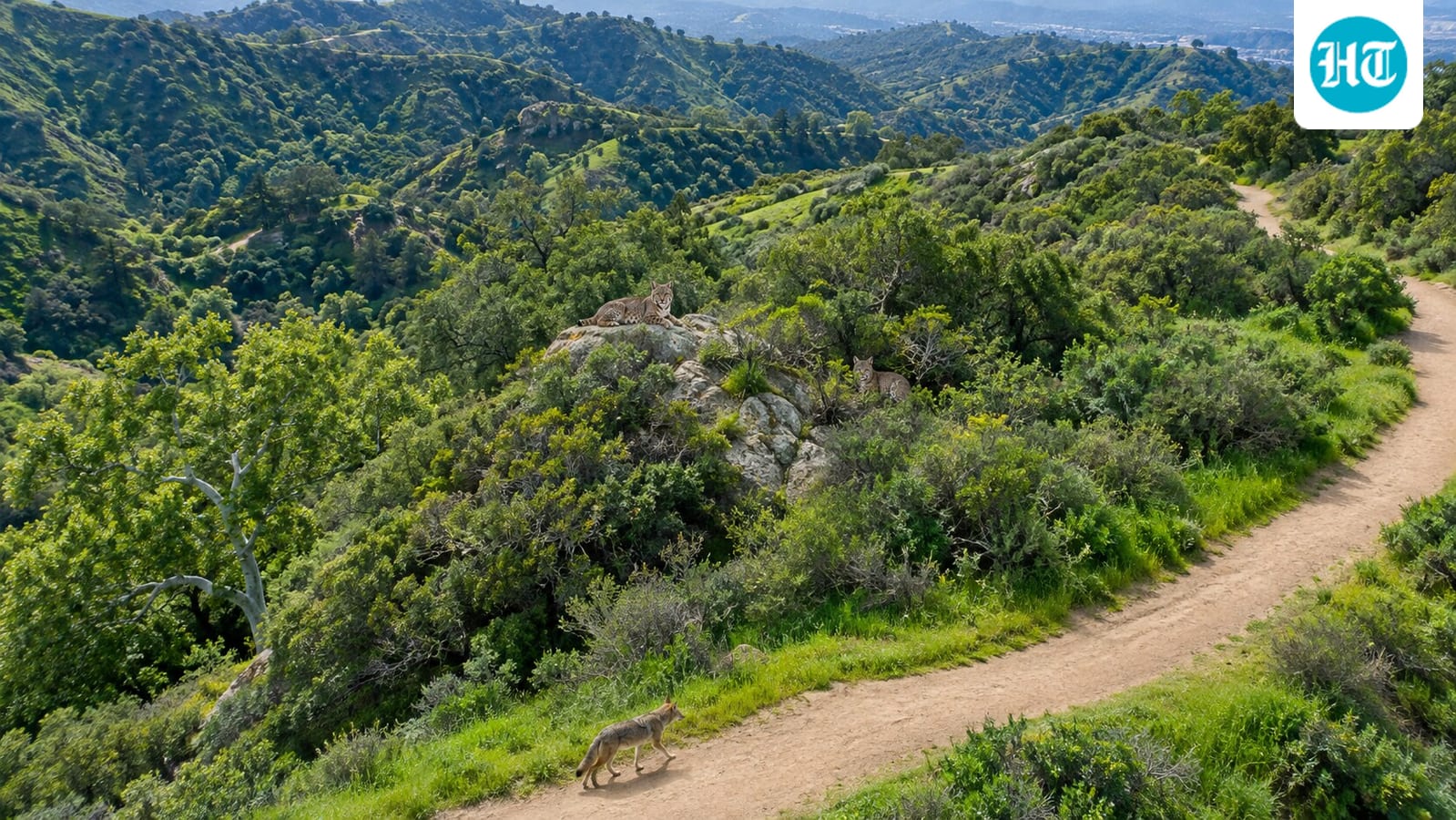
Alex Trebek's 1998 donation of 74 acres in the Hollywood Hills created a vital wildlife corridor. Research confirms this land remains essential for sustaining local bobcat and coyote populations by providing necessary natural habitat.
The Legacy of Alex Trebek’s Conservation Efforts
In 1998, the late Jeopardy! host Alex Trebek made a significant philanthropic contribution by purchasing 74 acres of land in the Hollywood Hills for $2 million and donating it to the Santa Monica Mountains Conservancy. This act of environmental stewardship, as reported by the Los Angeles Times at the time, was instrumental in protecting a critical wildlife corridor. By transferring this land to public hands, Trebek ensured that the area north of Hollywood Boulevard and east of Nichols Canyon Road would remain protected from development, effectively doubling the available public parkland in that sector.
Protecting the Urban-Wildlife Interface
The preservation of these 74 acres serves as a vital buffer against the encroaching urban sprawl of Los Angeles. As cities expand, the fragmentation of natural landscapes creates significant challenges for indigenous wildlife. The land donated by Trebek functions as an essential conduit for movement, allowing animals to traverse the hills without being forced into high-traffic urban zones. This connectivity is not merely aesthetic; it is a biological necessity for the survival of predator species within the Hollywood Hills ecosystem.
Behavioral Patterns of Local Predators
Scientific study of the region has highlighted the varying impact of habitat development on local fauna, specifically bobcats and coyotes. Research indicates that these animals rely heavily on natural areas to maintain stable home ranges. Data shows that as human development encroaches on their territory, the home ranges of coyotes and certain bobcat demographics must expand to compensate for the loss of resources. This expansion indicates that developed land is inherently less suitable for these species, making protected corridors like the Trebek donation critical for their long-term viability.
The Vulnerability of Local Species
Among the species studied, adult female bobcats appear to have the most stringent requirements for natural habitat, possessing home ranges with the least amount of human-altered land. This suggests that these animals are particularly sensitive to environmental disruption. Without the safety and resources provided by the protected acreage, these populations would likely face increased pressure, leading to potential displacement or population decline. The foresight shown in the 1998 donation directly mitigates these risks by securing high-quality, undisturbed terrain.
Future Implications for Urban Planning
The long-term success of the Santa Monica Mountains Conservancy in managing this land underscores the importance of proactive land acquisition in urban environments. As climate and development pressures continue to mount, the preservation of such corridors will become increasingly difficult but vital. Trebek’s contribution serves as a blueprint for how private individuals can collaborate with public entities to prevent the total loss of biodiversity in metropolitan areas, ensuring that wildlife and human recreation can coexist in a shared landscape for decades to come.
Verification Required?