Don’t interfere with azaan at Saharanpur mosque if noise norms followed: Allahabad HC
Source Entity
Bhupendra Pandey
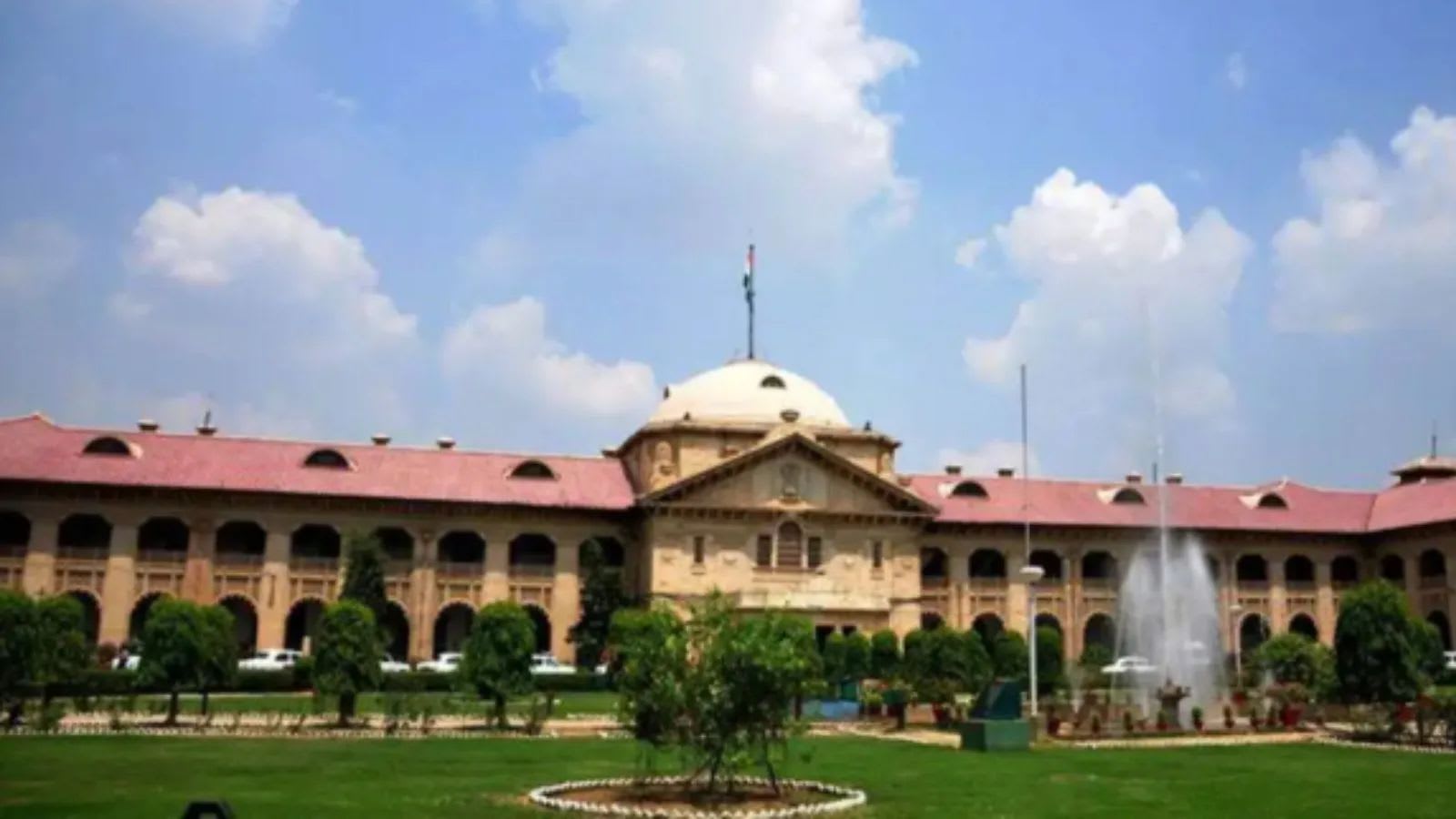
The Allahabad High Court has ruled that authorities must not interfere with five-time azaan at a Saharanpur mosque, provided noise pollution norms are strictly followed. The court's decision reinforces existing legal precedents regarding the use of loudspeakers for religious practices.
Allahabad High Court Upholds Religious Practice Rights
The Allahabad High Court recently issued a directive to authorities in Saharanpur, Uttar Pradesh, prohibiting interference with the five-time daily azaan (Islamic call to prayer) at the Ayesha Masjid in Pathed village. This ruling serves as a significant legal intervention in a dispute involving local administration, police, and the mosque management, who had filed a writ petition in July seeking to exercise their religious rights through the use of loudspeakers.
Legal Precedent and Noise Regulations
Central to the Court's decision is the adherence to established noise pollution regulations. By conditioning the permission to use loudspeakers on the strict compliance with noise norms, the Court has balanced the constitutional right to practice religion with the civil duty to maintain public order and environmental standards. The legal counsel for the petitioners emphasized that existing mandates, specifically referencing a May 2020 Allahabad High Court judgment, already prescribe specific timings and decibel levels for loudspeaker usage, which serve as the regulatory framework for this decision.
Balancing Rights and Public Order
The core of this legal struggle lies in the tension between religious expression and community management. The petitioners sought judicial relief after facing resistance from local authorities regarding the use of amplification for the five-time prayer. By intervening, the High Court has reaffirmed that religious activities—when conducted within the bounds of the law—are protected from arbitrary or discriminatory interference by local administrative bodies.
Broader Implications for Religious Freedom
This ruling carries broader implications for religious freedom in India, particularly concerning the use of public spaces and technology for religious practices. It reinforces the principle that judicial precedents provide a consistent standard that local administrations must follow, preventing localized disputes from escalating into systemic infringement of rights. The reliance on the 2020 judgment highlights a continuity in the judicial approach, which seeks to standardize how religious noise is regulated across the state.
Future Trends in Judicial Oversight
As urbanization and population density in districts like Saharanpur increase, the intersection of religious practice and noise pollution will likely continue to face judicial scrutiny. This decision suggests that the courts will continue to play a mediating role, favoring a regulatory approach that permits religious expression while insisting on strict adherence to technical parameters. It sets a clear expectation for district administrations to act based on established law rather than discretionary policies that might impede protected religious activities.