US House honours Indian flydubai pilot Smit Machchhar, condemns 'act of terrorism'
Source Entity
TRISHA MAHAJAN
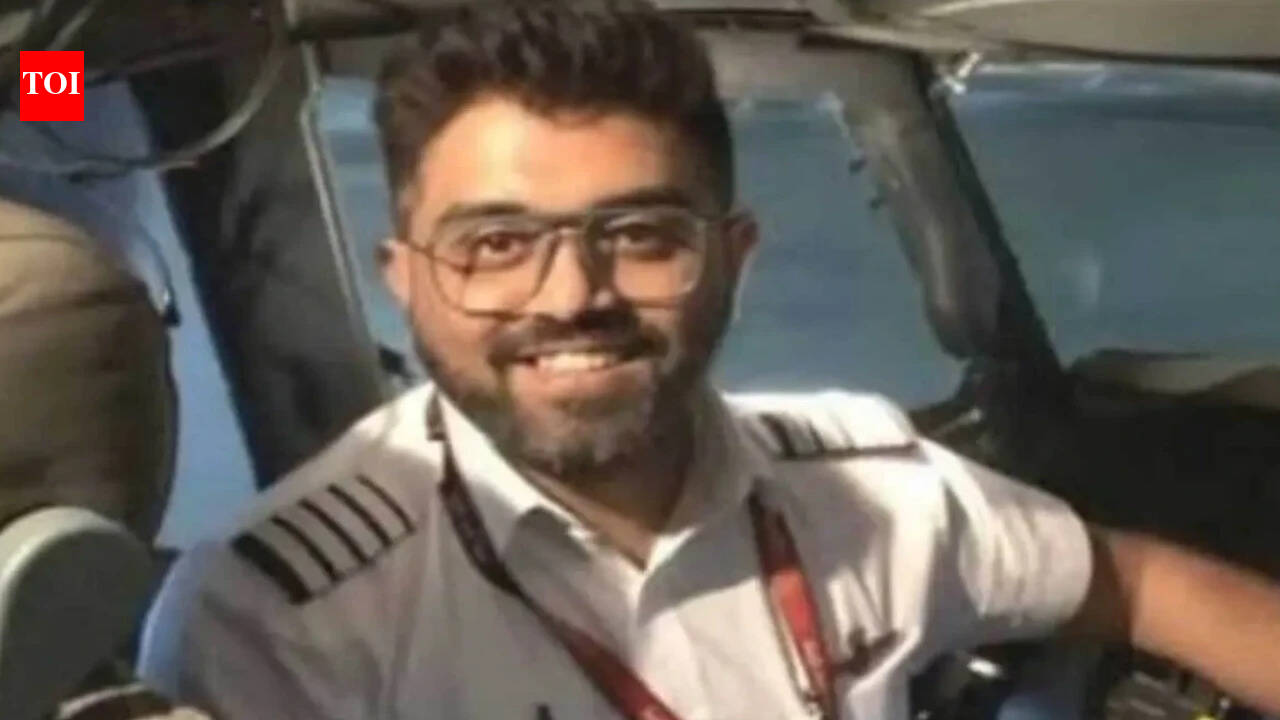
The US House of Representatives has passed a resolution honoring Indian pilot Captain Smit Machchhar for his extraordinary bravery in thwarting a terrorist attack aboard a Flydubai flight. Despite suffering multiple injuries, Machchhar successfully secured the aircraft, ensuring the safety of all passengers and crew during the emergency landing in Saudi Arabia.
Heroism in the Skies: US Congress Honors Captain Smit Machchhar
In a significant display of international recognition, the United States House of Representatives has formally honored Captain Smit Machchhar, an Indian national and pilot for Flydubai, for his extraordinary bravery. Following an incident where his co-pilot allegedly attempted to seize control of the aircraft—a maneuver categorized by the resolution as an act of terrorism—Captain Machchhar engaged in a life-saving struggle to maintain control of the cockpit. Despite sustaining multiple injuries, his actions prevented a potential catastrophe, allowing the aircraft to land safely at Tabuk Airport in Saudi Arabia.
The Anatomy of a Crisis
The incident, which occurred on a flight bound for Israel, represents a severe threat to international civil aviation. According to the congressional resolution, Captain Machchhar’s intervention was not merely a display of professional duty but an act of extreme personal sacrifice. By fighting off the co-pilot and utilizing his remaining strength to unlock the cockpit door, he enabled off-duty pilots and crew members to intervene, secure the flight deck, and successfully manage the aircraft's descent. The resolution highlights that every soul aboard was accounted for, a testament to the combined efforts of the crew and the passengers who assisted in restraining the first officer.
Bipartisan Congressional Recognition
The resolution was introduced by a bipartisan coalition of U.S. lawmakers, including Democrat Josh Gottheimer and Republicans Michael McCaul and Don Bacon. This rare gesture of congressional recognition underscores the gravity with which the United States views the security of international aviation. By officially labeling the co-pilot's actions as an act of terrorism, the House has signaled that such internal threats to aircraft safety will be met with severe diplomatic and legal scrutiny, transcending standard aviation security protocols.
Demands for Transparency and Justice
Beyond the commendation of the individuals involved, the House resolution calls for a comprehensive and expeditious investigation into the event. Specifically, the resolution urges the governments of Saudi Arabia and the United Arab Emirates to lead the inquiry while ensuring that the United States and Israel remain fully informed of the findings. This demand reflects the complex geopolitical nature of the flight, which involved multiple nations and occurred within a sensitive regional context. The collaborative investigative approach sought by the U.S. suggests a desire to understand the radicalization or motivations behind the co-pilot’s actions to prevent future occurrences.
Broader Geopolitical Implications
This recognition occurs against the backdrop of evolving U.S.-India relations. While the two nations have navigated periods of diplomatic friction—ranging from trade and tariff disputes to broader policy disagreements—the honoring of Captain Machchhar serves as a poignant reminder of the individual ties that bind the two countries. By elevating the profile of an Indian citizen’s heroism on the floor of the U.S. House, lawmakers have utilized a humanitarian event to reinforce the strength of the U.S.-India partnership, emphasizing shared values regarding safety, security, and the rule of law.
A Path to Recovery
As Captain Machchhar continues his recovery in an Abu Dhabi hospital, the resolution serves as both a formal commendation and a message of support. The global aviation community remains focused on the outcome of the ongoing investigations and the potential systemic changes that may arise regarding cockpit security and mental health screening for flight crews. Ultimately, the story of Flight 1073 stands as a stark illustration of the vulnerabilities inherent in modern air travel and the profound impact of individual courage in the face of existential danger.