flydubai Hero Pilot's Skull Fractured In Attack, Undergoes Emergency Surgery In Saudi
Source Entity
NDTV News Search Records Found 1000
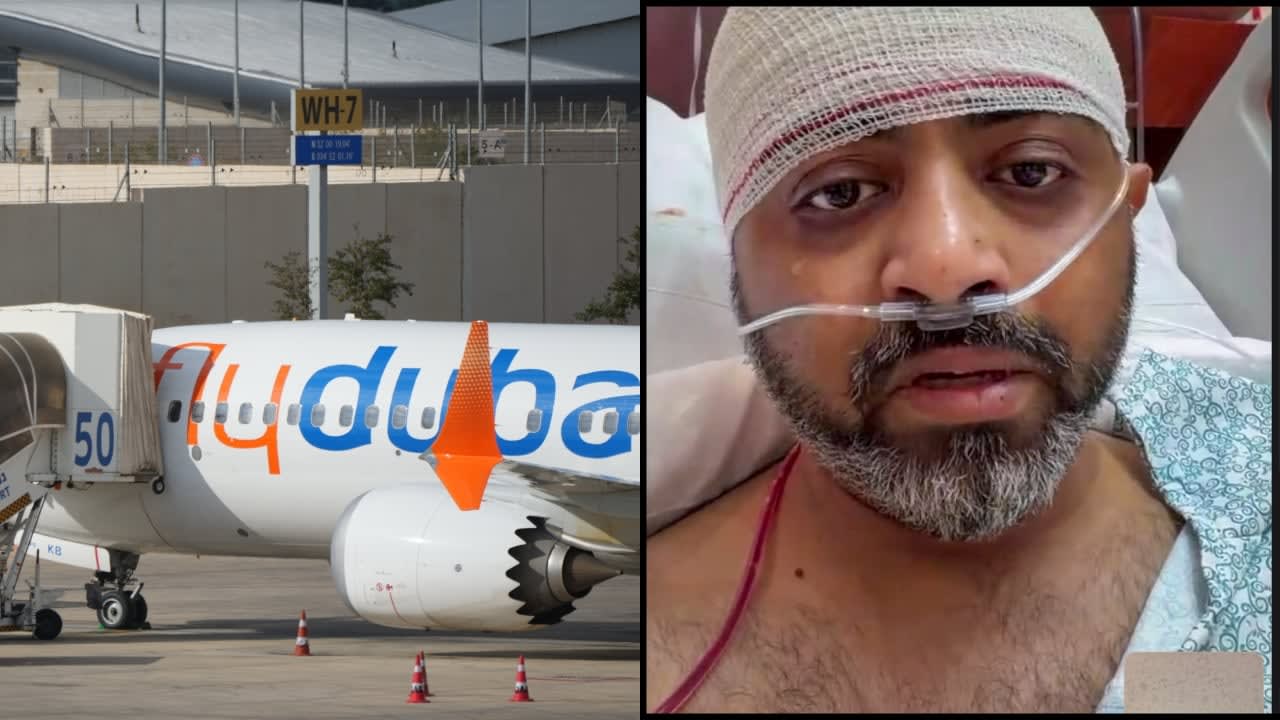
Captain Smit Machchhar is recovering after suffering a depressed skull fracture during a mid-flight attack by his co-pilot. The Indian embassy in the UAE confirms he is making steady progress following emergency surgery.
The Mid-Flight Crisis: An Analysis of the Flydubai Cockpit Attack
The Incident and Immediate Aftermath
On a recent flight, flydubai Captain Smit Machchhar faced an unprecedented and violent security breach when he was attacked by his co-pilot, an Omani national identified as Hammam al-Hammami. Using a crash axe—a standard emergency tool stored within the cockpit—the co-pilot assaulted Captain Machchhar, resulting in a severe 'depressed skull fracture.' This act of violence forced the captain into a life-threatening crisis situation, requiring him to manage the aircraft while sustaining significant physical trauma.
Medical Response and Recovery
Following the assault, Captain Machchhar underwent emergency surgery in Saudi Arabia to address his critical head injuries. Given the complexity of his condition, he was subsequently airlifted to Abu Dhabi for advanced medical care. The Indian Embassy in the UAE has been actively involved in monitoring his status, reporting that the captain is currently 'making steady progress' and 'regaining his health.' This recovery process highlights the severity of the trauma, which necessitated specialized neurosurgical intervention and ongoing observation.
The Role of Aviation Safety Protocols
This incident brings critical attention to the cockpit environment and the accessibility of emergency tools. Crash axes are mandated safety equipment, intended for use in fire suppression or emergency egress, not as weapons. The fact that such a tool was utilized in a violent confrontation underscores the extreme psychological volatility involved in this specific event. Aviation authorities are likely to review security protocols regarding the storage and accessibility of such tools to prevent future internal threats.
Diplomatic and Institutional Support
The Indian Embassy in the UAE has played a pivotal role in coordinating support for Captain Machchhar and his family during this challenging period. By providing updates on his health and ensuring he receives high-quality care, the embassy has underscored the importance of diplomatic oversight when citizens face crises abroad. Such institutional support is vital for the morale and well-being of aviation professionals who operate in multi-national environments.
Broader Implications for Aviation Security
While the motive behind the co-pilot's actions remains unclear, the incident has raised significant questions regarding crew mental health screening and cockpit security. Aviation safety has historically focused on external threats; however, this event serves as a stark reminder of the risks associated with internal threats. As the investigation continues, the aviation industry will likely face pressure to enhance mental health monitoring for flight crews and evaluate the potential for 'two-person' cockpit occupancy rules to be strengthened further.
Future Trends in Flight Safety
Looking forward, this event is expected to catalyze a shift toward more rigorous psychological vetting processes for pilots. As the industry advances, the integration of real-time monitoring and more stringent, frequent behavioral assessments may become standard. Captain Machchhar’s survival and his actions during the flight serve as a testament to professional resilience, but the systemic lessons learned from this attack will undoubtedly shape the next generation of cockpit safety regulations.
Verification Required?