Watch: At the scene of protests on the streets of Lille
Source Entity
BBC News
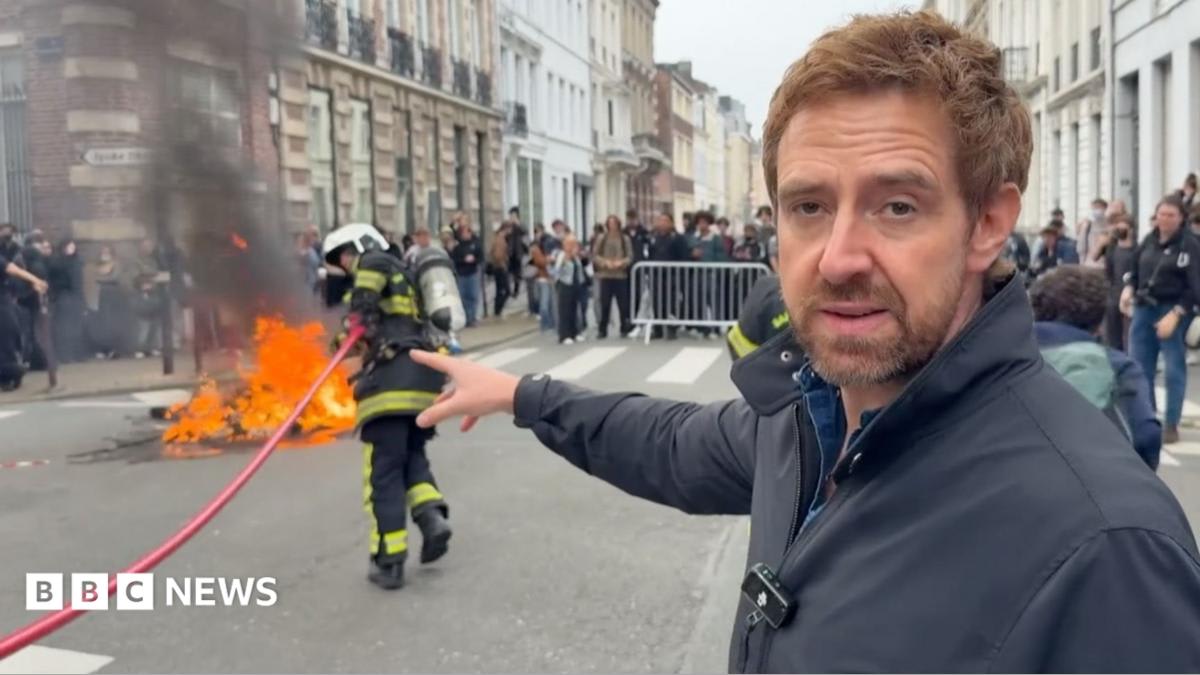
Violent student-led protests have spread across France, with demonstrators blockading schools to demand better funding and infrastructure. The movement has resulted in thousands of arrests, significant injuries, and ongoing confrontations with police.
The Escalation of Student Unrest in France
France is currently grappling with a widespread wave of student-led protests that have transitioned from localized demonstrations in Paris to a nationwide movement involving hundreds of school blockades. Triggered in mid-September 2026, the movement reflects deep-seated frustration among students, parents, and unions regarding the state of the French educational system. The grievances are multifaceted, centering on inadequate government investment, persistent teacher shortages, the physical decay of school infrastructure, and the burden of excessively long school days.
The Anatomy of the Protests
The protests, which have reached major urban centers like Lille, are characterized by the systematic blockading of secondary institutions. This strategy aims to force government attention toward the systemic issues plaguing the sector. However, the nature of these gatherings has taken a troubling turn, with the initial civil disobedience evolving into violent confrontations between demonstrators and riot police. Reports from the ground indicate that these clashes have resulted in significant injuries, including a tragic incident where a 15-year-old boy reportedly lost a hand during an altercation with authorities in the north.
Government Response and Judicial Impact
The French government’s response has been marked by heavy-handed policing, leading to a staggering number of arrests. According to the Justice Ministry, more than 5,000 individuals have been detained since the protests began, with minors accounting for 87 percent of those apprehended. The judicial system is now under immense pressure, with over 1,800 prosecutions underway, the vast majority involving minors. These figures underscore the intensity of the friction between the state's enforcement apparatus and the youth-led movement.
Broader Implications and Political Climate
These riots are occurring within a volatile political environment, as the far-right has begun to leverage the instability to call for a drastic fiscal turnaround. Education Minister Edouard Geffray has acknowledged the scale of the crisis, confirming hundreds of injuries among both students and police officers. The persistence of these protests, despite the high number of arrests and the risk of physical violence, suggests that the underlying issues—overcrowded classrooms and poor building conditions—are viewed by the protesters as existential threats to their future that cannot be ignored.
Looking Ahead: The Cost of Stagnation
As the demonstrations show no signs of easing, the French government faces a difficult path forward. The continued closure of hundreds of schools disrupts the national education schedule and deepens the divide between the state and its younger citizens. Future trends suggest that unless the government addresses the core demands for increased infrastructure investment and educational reform, the risk of further radicalization and civil unrest remains high. The nation now stands at a precarious juncture where the balancing of public order and the urgent need for educational reform will define the government's stability in the coming months.
Multiple Citing Sources