Cornell rape case explained in 5 questions: What happened at fraternity house in 2024
Source Entity
AASTHA JHA
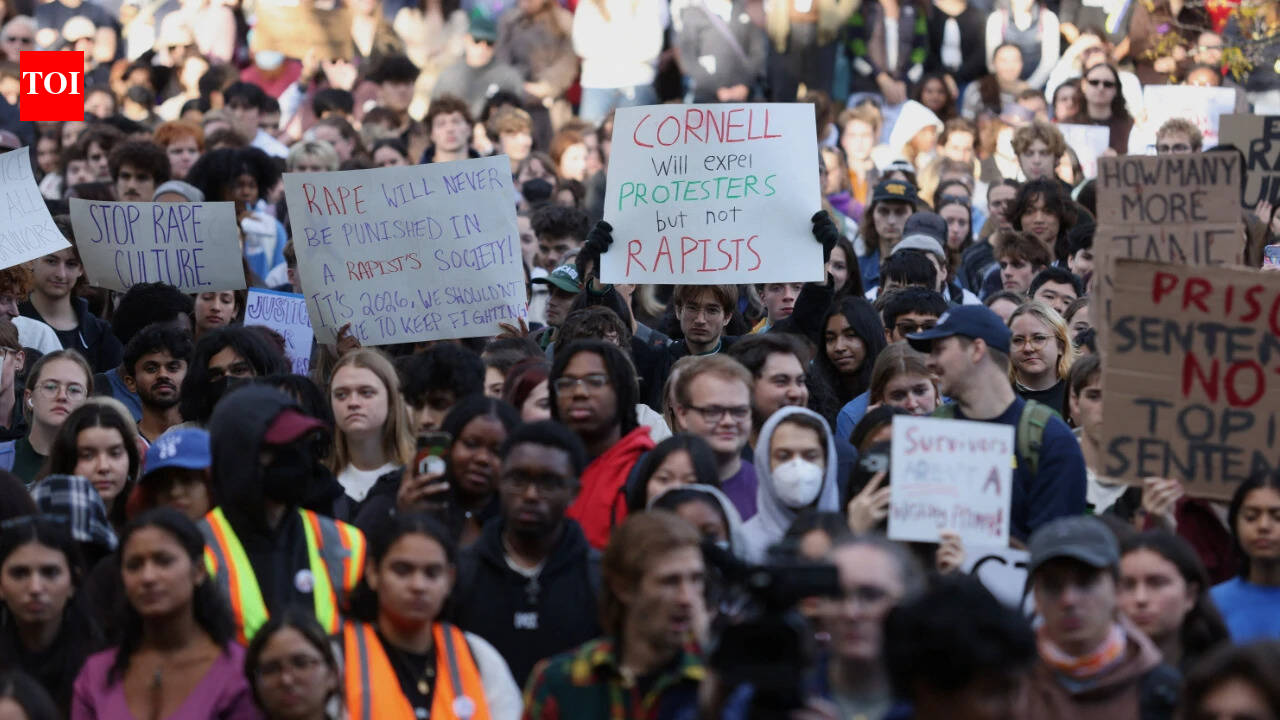
Cornell University is facing intense scrutiny over its handling of an alleged 2024 sexual assault at a fraternity house. Ongoing investigations, conflicting evidence, and a controversial recorded phone call have sparked widespread demands for institutional accountability.
The Cornell University Assault Case: A Crisis of Accountability
The incident occurring at a Cornell University fraternity house in October 2024 has evolved into a significant flashpoint for campus safety, legal transparency, and institutional integrity. Nearly two years post-incident, the case involving a student identified as “Jane Doe” continues to challenge the university's disciplinary frameworks and the broader efficacy of the justice system in handling sexual assault allegations on college campuses.
The Anatomy of the 2024 Allegations
In October 2024, an event took place at a fraternity house that fundamentally altered the campus climate at Cornell. While the initial reporting of the incident was met with silence or bureaucratic processing, the passage of time has only sharpened the public's focus on the event. The core of the controversy lies in the disparity between the victim's account and the initial administrative response, which failed to yield criminal charges at the time of the occurrence.
Challenges in the Investigation Process
One of the most critical elements complicating this case is the existence of a recorded phone call that has become central to the discourse surrounding the assault. This audio evidence has reportedly created a divide in how the incident is perceived, with advocates for survivors pointing to it as evidence of wrongdoing, while others cite it as part of a web of conflicting accounts. The difficulty in reconciling such evidence highlights the systemic hurdles in campus-based investigations where the burden of proof often clashes with the subjective nature of survivor testimony.
Why Cornell Faces Institutional Criticism
Cornell University is currently facing significant backlash regarding its handling of these events. Critics argue that the university's internal processes may have been insufficient, leading to a lack of criminal charges in 2024. The student body and survivor advocacy groups have organized rallies—such as the 'Justice for Survivors' event in Ithaca—to demand greater transparency. This criticism reflects a growing national trend where students are increasingly holding elite institutions accountable for failing to provide a safe and equitable environment.
The 2026 Resurgence of the Probe
The decision to launch a fresh investigation in 2026 signifies that the initial findings were inadequate in the eyes of the public and potentially the legal system. This development suggests that the 2024 investigation may have been marred by evidence concerns or procedural errors that left key questions unanswered. By reopening the file, Cornell is attempting to address the lingering doubts that have plagued the administration, though the path to resolution remains fraught with legal and ethical complexities.
Broader Implications and Future Trends
The Cornell case serves as a microcosm for the larger struggle within higher education to manage sexual violence. As institutions grapple with these incidents, the trend is moving toward more aggressive external oversight and a diminished reliance on internal, opaque disciplinary committees. Moving forward, the resolution of this case will likely set a precedent for how Cornell—and universities nationwide—handle allegations of sexual misconduct, specifically regarding the weight given to audio recordings and the necessity of external legal review in sensitive campus matters.