Indian Sailor Injured In Russian Strike On Cargo Ship. New Delhi Reacts
Source Entity
NDTV News Search Records Found 1000
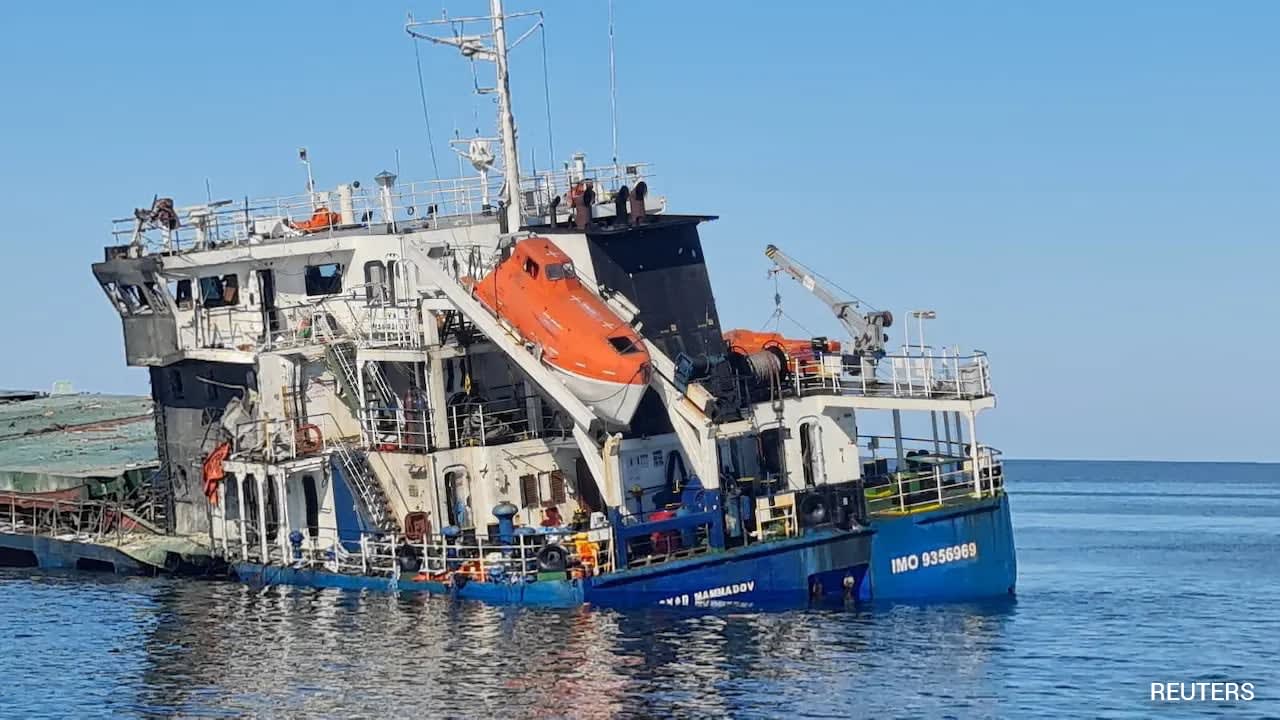
A Turkish-owned cargo ship carrying corn was struck by Russian drones in the Black Sea, resulting in the death of its captain and one other individual. The incident, which involved Indian and Azerbaijani crew members, has drawn strong condemnation from Ukrainian leadership.
Russian Drone Strike on Civilian Vessel in the Black Sea
The Incident and Casualties
In a concerning escalation of maritime hostilities, a civilian cargo vessel, identified as the Royad Mammadov, was struck by two Russian drones while navigating through the Black Sea. President Volodymyr Zelensky confirmed the attack, describing it as a "horrific strike" on a ship engaged in the transport of corn. The assault resulted in the tragic death of the vessel's captain and one other individual, while 11 other crew members—comprising nationals from India and Azerbaijan—were rescued following a coordinated effort involving Romanian authorities.
Strategic Context of the Black Sea
The Black Sea represents one of the world's most critical commercial shipping arteries, serving as a vital corridor for global food security. By targeting a vessel carrying grain in neutral waters, the incident underscores the precarious nature of maritime trade during the ongoing conflict. The disruption of such routes threatens not only the economic stability of the involved nations but also exacerbates global supply chain vulnerabilities, particularly concerning agricultural commodities that rely on these transit paths.
Geopolitical Implications and Retaliation
This strike is being viewed through the lens of a broader, tit-for-tat campaign between Russia and Ukraine. Russia’s defense ministry has previously acknowledged targeting cargo vessels, framing these actions as retaliatory measures against Ukrainian strikes on Russian oil refineries and naval assets. This cycle of escalation suggests that civilian maritime infrastructure is increasingly becoming a theater for military posturing, which risks drawing neutral parties and international shipping interests into the direct line of fire.
The Role of International Involvement
Romania's swift response, mounting a rescue mission outside its territorial waters, highlights the regional commitment to maritime safety and humanitarian intervention. The presence of Indian and Azerbaijani nationals on board the Turkish-owned vessel illustrates the multinational character of the Black Sea’s labor force. This international involvement complicates the diplomatic landscape, as the incident necessitates responses from multiple governments to ensure the protection of their citizens and the maintenance of freedom of navigation.
Future Trends and Security Concerns
Looking ahead, this event signals a hardening of stances regarding the security of the Black Sea. As Russia continues to pound critical infrastructure, the likelihood of further incidents involving civilian vessels remains high. Moving forward, the international community will likely face pressure to establish more robust maritime corridors or increased protection measures to safeguard neutral shipping. Without a shift toward de-escalation, the Black Sea remains a volatile region where commercial interests are perpetually at risk of becoming collateral damage in the ongoing geopolitical struggle.
Verification Required?