Fresh batch of 7,754 Amarnath pilgrims leave Jammu amid tight security
Source Entity
India Latest News: Top National Headlines Today & Breaking News | The Hindu
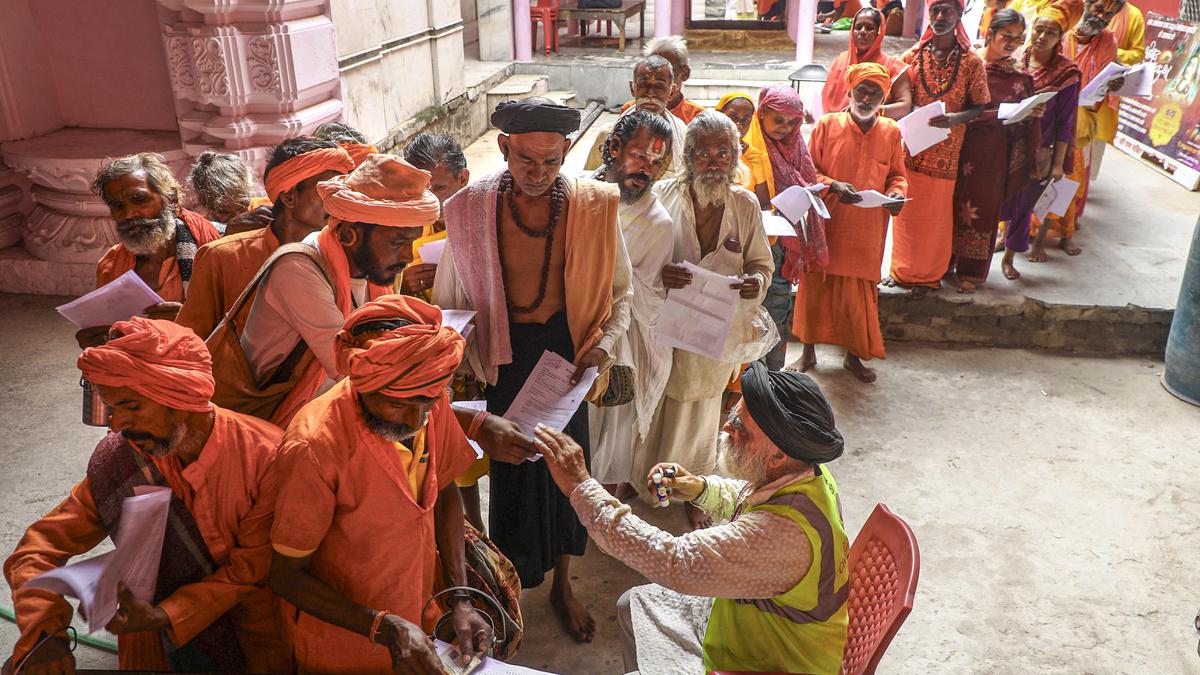
A total of 87,701 pilgrims left the Jammu base camp for Kashmir since the yatra commenced on July 3
Analysis of the Amarnath Yatra Pilgrimage Flow and Security Infrastructure
Overview of Current Pilgrimage Trends
The recent departure of 7,754 pilgrims from the Jammu base camp marks a significant continuation of the annual Amarnath Yatra. With a cumulative total of 87,701 pilgrims having embarked on the journey since its commencement on July 3, the scale of the operation is immense. This steady flow of devotees underscores the deep spiritual significance of the pilgrimage to the holy cave of Amarnath, while simultaneously highlighting the complex logistical coordination required to move tens of thousands of people through the challenging terrain of Jammu and Kashmir.
The Critical Role of Security Architecture
The mention of "tight security" is not merely a formality but a critical operational necessity. Given the geopolitical sensitivity of the Kashmir valley and the history of security threats in the region, the Indian security apparatus employs a multi-layered defense strategy. This typically involves the coordinated efforts of the Indian Army, the Central Reserve Police Force (CRPF), and the Jammu and Kashmir Police. Security measures include extensive route sanitization, the deployment of drones for aerial surveillance, and strict checkpoints to ensure that pilgrims are protected from potential insurgent activities. The success of the yatra depends heavily on the ability of these forces to maintain a secure corridor from the Jammu base camp to the cave.
Logistical Coordination and Base Camp Management
Managing the Jammu base camp requires a sophisticated intersection of healthcare, administration, and transport. For nearly 90,000 pilgrims to move efficiently, authorities must implement rigorous health screenings—essential given the high-altitude nature of the trek—and a streamlined registration process. The movement of batches, such as the current 7,754 pilgrims, is carefully timed to prevent bottlenecks on the narrow mountain roads and to ensure that the capacity of the transit camps and the cave site is not exceeded, which could lead to safety hazards.
Socio-Economic Implications for the Region
Beyond the religious aspect, the Amarnath Yatra serves as a vital economic engine for the local population in Jammu and Kashmir. The influx of over 87,000 pilgrims creates a massive seasonal demand for local services. Thousands of local residents find employment as porters, pony owners, and guides, while small-scale vendors and hotel owners benefit from the surge in tourism. This economic interdependence often fosters a unique communal harmony, as locals from diverse backgrounds collaborate to support the pilgrims, thereby strengthening the social fabric of the region.
Technological Integration and Future Trends
Looking forward, the management of the Amarnath Yatra is increasingly leaning toward technological integration to enhance safety. The implementation of RFID (Radio Frequency Identification) tags for pilgrims has become a cornerstone for real-time tracking and emergency response. Future iterations of the yatra are likely to see expanded use of satellite-based communication and AI-driven crowd management systems to predict and prevent congestion. These advancements will be crucial as the number of devotees continues to grow annually.
Conclusion
In summary, the departure of the latest batch of pilgrims is a testament to the robust planning and security frameworks currently in place. The transition of over 87,000 individuals since early July demonstrates a high level of operational efficiency. While the spiritual journey remains the primary focus for the devotees, the underlying success of the event is rooted in a complex synergy of security vigilance, logistical precision, and local economic cooperation.
Verification Required?