Why your Amazon order confirmation emails have become so unhelpful
Source Entity
Mia Sato
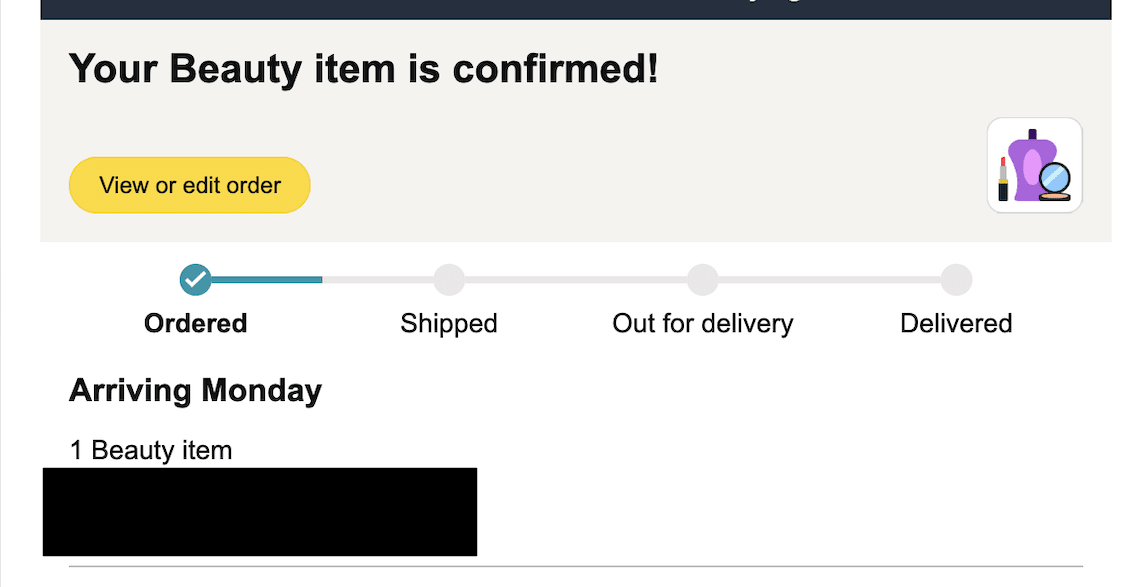
Amazon has begun sending vague order confirmation emails that list general product categories instead of specific items. This change forces customers to navigate to the Amazon app or website to verify their purchases, impacting user experience.
The Shift in Amazon's Transactional Communication
Amazon, the world’s largest e-commerce platform, has recently implemented a noticeable change to its post-purchase communication strategy. Customers across various regions have reported that their standard order confirmation emails have become significantly more opaque. Instead of the traditional, itemized list that explicitly names each product purchased, these notifications now utilize broad, generic descriptors. By categorizing items under labels like "Beauty," "Hardware," or "Nutrition & Wellness," the company has effectively stripped away the immediate clarity that users have relied on for years.
Impact on User Experience and Transparency
For the average consumer, an order confirmation email serves as a vital digital receipt. By replacing specific product names with vague categories—such as "1 Wireless Accessories" instead of the exact model of a charger—Amazon has introduced unnecessary friction into the shopping experience. Shoppers are now required to step out of their email client and navigate to the Amazon website or mobile application to verify exactly what was purchased. This extra step is not merely a minor inconvenience; it disrupts the seamless workflow that has historically defined Amazon’s "one-click" convenience philosophy.
Potential Strategic Motivations
While Amazon has not provided a definitive public explanation for this shift, industry analysts suggest several potential motives. One possibility is a focus on "privacy by default" in email communication, where the company aims to prevent sensitive or embarrassing purchase details from appearing in insecure email previews or notifications. However, another perspective suggests that this could be a deliberate strategy to drive traffic back to the Amazon ecosystem. By forcing users to click through to the site to see their order details, Amazon increases user engagement metrics and exposes customers to additional marketplace content.
Broader Implications for E-commerce Trends
This move reflects a broader trend among major tech platforms to prioritize proprietary app environments over open, third-party interfaces like email. As companies strive to maintain control over the customer journey, they are increasingly "walled-off" from external platforms. If this trend continues, the utility of transactional emails may diminish further, potentially leading to a fragmentation of digital record-keeping where consumers no longer have a reliable, self-contained history of their transactions within their inbox.
Looking Ahead: The Future of Notifications
As Amazon refines its communication protocols, users may need to adapt to a new era of "blind" notifications. If these redacted emails become the permanent standard, it is likely that third-party email aggregators and budget-tracking applications will struggle to parse purchase data, creating a ripple effect for personal finance management. While the current change is primarily an annoyance, it highlights the growing tension between a company’s desire for platform engagement and the consumer’s need for transparent, accessible information regarding their own financial transactions.