New surveillance tech links your phone to your license plate
Source Entity
Nicole M. Bennett, The Conversation
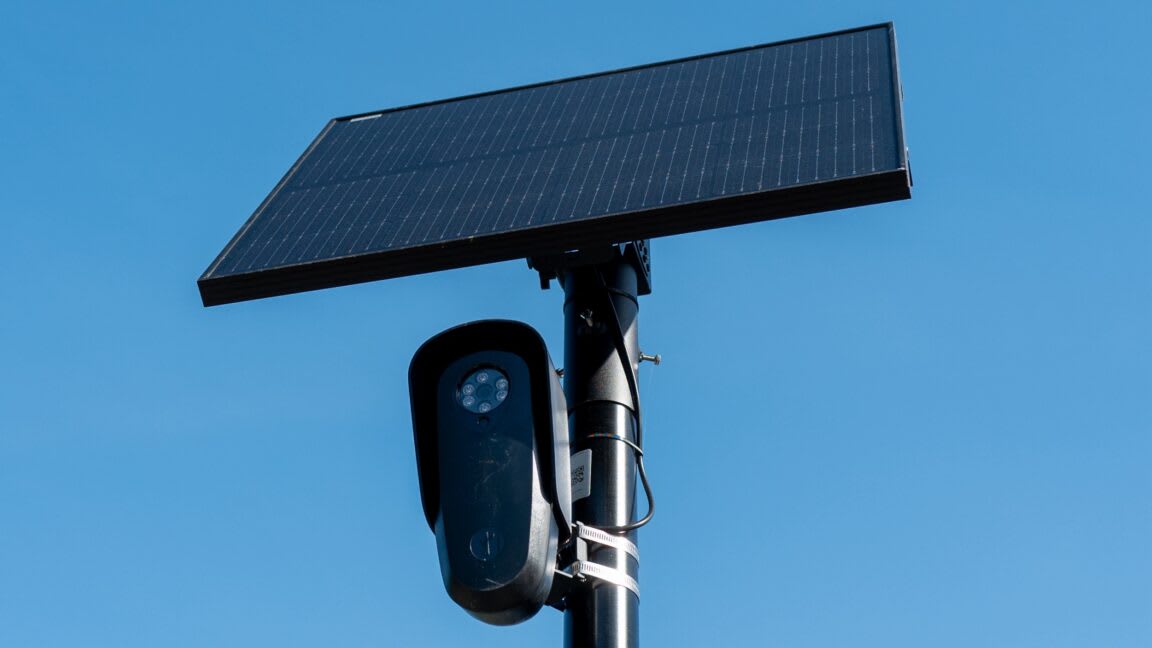
New surveillance technology is integrating roadside license plate readers with Bluetooth and phone signal tracking. This allows authorities to create recurring digital signatures, enabling the linking of individuals to specific vehicles and investigative targets.
The Convergence of Surveillance and Digital Footprints
The emergence of sophisticated surveillance systems like SignalTrace marks a significant evolution in how law enforcement and private entities track movement. By integrating traditional Automated License Plate Recognition (ALPR) with the passive detection of Bluetooth and mobile signals, these systems transform static roadside infrastructure into a dynamic network of digital surveillance. This technology does not merely record a vehicle; it captures a localized ecosystem of electronic devices, effectively mapping the social and professional connections of anyone within range.
Building the 'Electronic Signature'
At the core of this technology is the ability to aggregate data over time to form an 'electronic signature.' When a specific smartphone or smartwatch signal consistently appears alongside a registered vehicle, software algorithms can associate that device with the car’s owner or frequent passengers. This process creates a persistent digital trail that exists independent of the vehicle itself. Once this pattern is established, the system can track an individual even if they switch vehicles, provided their personal devices remain active and discoverable.
Investigative Implications and Anonymity
While the signals captured—such as Bluetooth pings—may not initially contain personal identifiers like names or social security numbers, their utility in investigative contexts is profound. By linking a 'recurring signature' to a previously identified vehicle, investigators can bridge the gap between anonymous electronic signals and real-world identities. This capability provides law enforcement with a powerful tool to work backward from a crime scene or a vehicle of interest to identify potential suspects or witnesses who were in the vicinity at the time of an event.
The Shift Toward Ubiquitous Monitoring
This development reflects a broader trend in surveillance technology: the move from targeted tracking to ambient, ubiquitous monitoring. By leveraging the inherent broadcast nature of modern consumer electronics, surveillance systems are becoming increasingly efficient at turning the public's own connectivity against them. The reliance on standard Bluetooth and phone signals means that individuals are unknowingly 'broadcasting' their presence to any sensor equipped to listen, effectively turning every commute into a data-gathering exercise for surveillance operators.
Future Trends and Ethical Considerations
As these technologies become more prevalent, the potential for widespread, non-consensual tracking raises significant questions regarding privacy and the limits of state and corporate surveillance. The ability to link disparate data points—a car’s license plate and a passenger’s smartwatch signal—suggests a future where physical anonymity in public spaces is increasingly difficult to maintain. Future developments in this sector will likely focus on refining the accuracy of these signal-matching algorithms, further narrowing the margin of error for investigators while simultaneously intensifying the debate over civil liberties and the right to privacy in a connected world.