AMD’s rivalry with Nvidia is increasingly moving into a new realm
Source Entity
Britney Nguyen
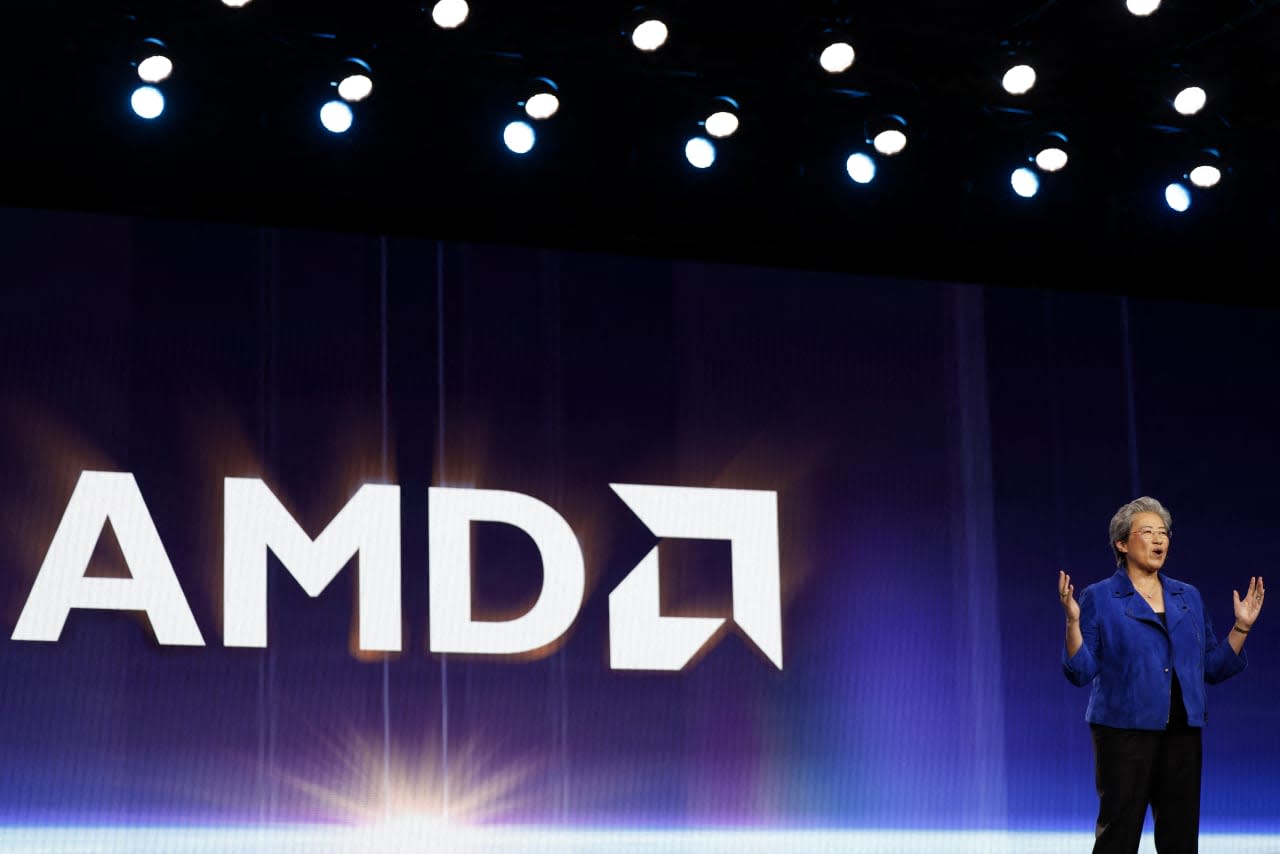
AMD is challenging Nvidia's dominance in the AI hardware market with the introduction of its new Helios rack-scale system. This move signals a strategic shift as AMD expands from its GPU roots into high-performance, integrated server solutions for major AI labs.
The Evolution of the AMD-Nvidia Rivalry
For years, the technological landscape has been defined by the intense competition between AMD and Nvidia, primarily centered on the graphics processing unit (GPU) market. While both companies have long been recognized for their contributions to consumer-grade hardware and gaming, the tectonic plates of the industry have shifted toward artificial intelligence. This transition has forced both manufacturers to move beyond traditional components and into the realm of complex, rack-scale infrastructure designed to satisfy the insatiable demands of modern AI training and inference.
Introducing Helios: A Shift in Strategy
AMD’s recent announcement of the Helios rack-scale system marks a significant escalation in this corporate rivalry. By moving from selling standalone chips to offering integrated, rack-scale solutions, AMD is positioning itself as a comprehensive provider for massive data centers. These systems, which combine numerous processors into a single, high-powered unit, are essential for the world’s largest AI labs that require unprecedented compute density to train next-generation models.
The Role of Data Center Dominance
At the heart of this shift is the realization that the future of computing lies in data centers. AMD Chair and CEO Dr. Lisa Su has emphasized that the industry is currently dealing with a "compute-hungry dragon" that demands increasingly efficient and powerful hardware. By integrating their newest chips into the Helios framework, AMD is targeting the server CPU market—a sector where they are aggressively looking to gain ground against incumbents and provide a viable, high-performance alternative to Nvidia’s established AI ecosystem.
Strategic Customer Partnerships
Validation of AMD’s new direction comes through its growing list of high-profile customers, most notably Microsoft. As one of the primary drivers of global AI development, Microsoft’s adoption of AMD’s rack-scale technology serves as a critical endorsement. This partnership suggests that major technology firms are actively seeking to diversify their hardware supply chains, creating an opening for AMD to challenge Nvidia’s long-standing dominance in the AI infrastructure space.
Future Trends and Market Implications
The introduction of Helios is not merely a product launch; it is a signal of where the hardware market is heading. As AI workloads become more complex, the industry will likely shift further toward these integrated, rack-scale systems that prioritize thermal efficiency, high-speed interconnects, and modular scalability. AMD’s ability to successfully ship these systems by the end of the year will be a litmus test for their operational capabilities and their long-term viability as a premier provider of enterprise AI hardware.
Conclusion
In summary, the rivalry between AMD and Nvidia has evolved into a high-stakes race to control the backbone of the AI industry. With the unveiling of Helios at the Advancing AI conference, AMD has demonstrated its intent to capture significant market share in the data center sector. As the competition heats up, the industry stands to benefit from increased innovation, potentially lowering the barrier to entry for AI labs and accelerating the development of compute-intensive technologies.
Multiple Citing Sources
Verification Required?