Amit Shah flags off India's first LNG train, launches Rs 1,542 crore railway projects
Source Entity
PRISHA PATNAIK
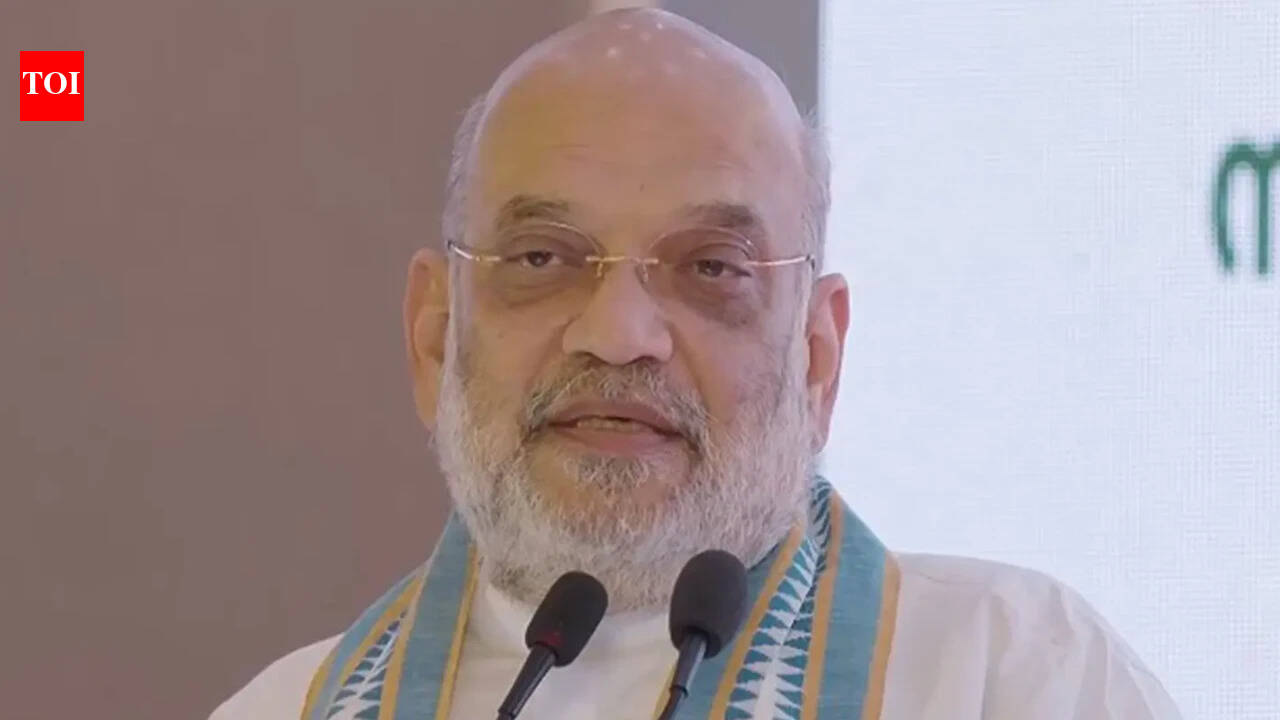
Union Home Minister Amit Shah launched Rs 1,542 crore in railway projects in Gujarat, including India's first LNG-powered train. These initiatives focus on alternative fuels, enhanced safety via the Kavach system, and improved freight capacity.
Advancing India's Rail Infrastructure: A New Era of Sustainability
On September 27, 2026, Union Home and Cooperation Minister Amit Shah inaugurated a suite of transformative railway projects in Gujarat, valued at over Rs 1,542 crore. These developments, centered at Sabarmati, represent a pivotal shift in the Indian Railways' strategy to modernize its fleet while prioritizing environmental sustainability and operational safety. By integrating alternative fuel technologies and advanced signaling systems, the government is setting a new benchmark for national transport infrastructure.
The LNG Milestone: Reducing Carbon Footprint
The most notable highlight of the event was the flagging off of India’s first LNG-Diesel Dual-Fuel DEMU train. This innovation marks a critical step in reducing the railway's long-standing dependence on traditional diesel. By utilizing a dual-fuel system, the train significantly lowers diesel consumption, thereby cutting operational costs and reducing harmful emissions. This follows a broader trend in Indian Railways, which launched its first hydrogen-powered train earlier in July 2026, signaling a consistent move toward a 'green' rail network.
Capacity Expansion and Freight Efficiency
Beyond propulsion technology, the investment includes the establishment of a WAG-12 locomotive maintenance shed. The WAG-12 class of locomotives is instrumental in supporting high-capacity freight operations, and dedicated maintenance facilities are essential for maximizing the uptime and efficiency of these heavy-haul engines. Coupled with the Sabarmati-Sarkhej railway line doubling project, these upgrades are designed to alleviate bottlenecks, enhance connectivity, and catalyze industrial growth across the Gujarat region.
Prioritizing Safety: The Kavach System
A critical component of the newly launched projects is the implementation of the Kavach automatic train protection system. As India expands its rail network, the integration of indigenous safety technology becomes paramount. Kavach is designed to prevent collisions and enhance overall passenger safety, aligning with the government's long-term vision of a zero-accident rail network. The addition of automatic signaling further complements this, ensuring that speed and safety are balanced effectively.
Future Implications and Strategic Trends
The simultaneous launch of these diverse projects—ranging from alternative fuels to infrastructure expansion—reflects a holistic approach to modernization. By investing in both the 'green' energy sector and traditional capacity-building (like line doubling), the government is preparing for the increased logistics demands of a growing economy. As these technologies scale, India is positioned to become a global leader in sustainable public transportation, potentially serving as a model for other developing nations seeking to decarbonize their heavy transit systems.