Terror, Organised Crime, Drugs Must Be Eliminated: Amit Shah At NIA Meet
Source Entity
NDTV News Search Records Found 1000
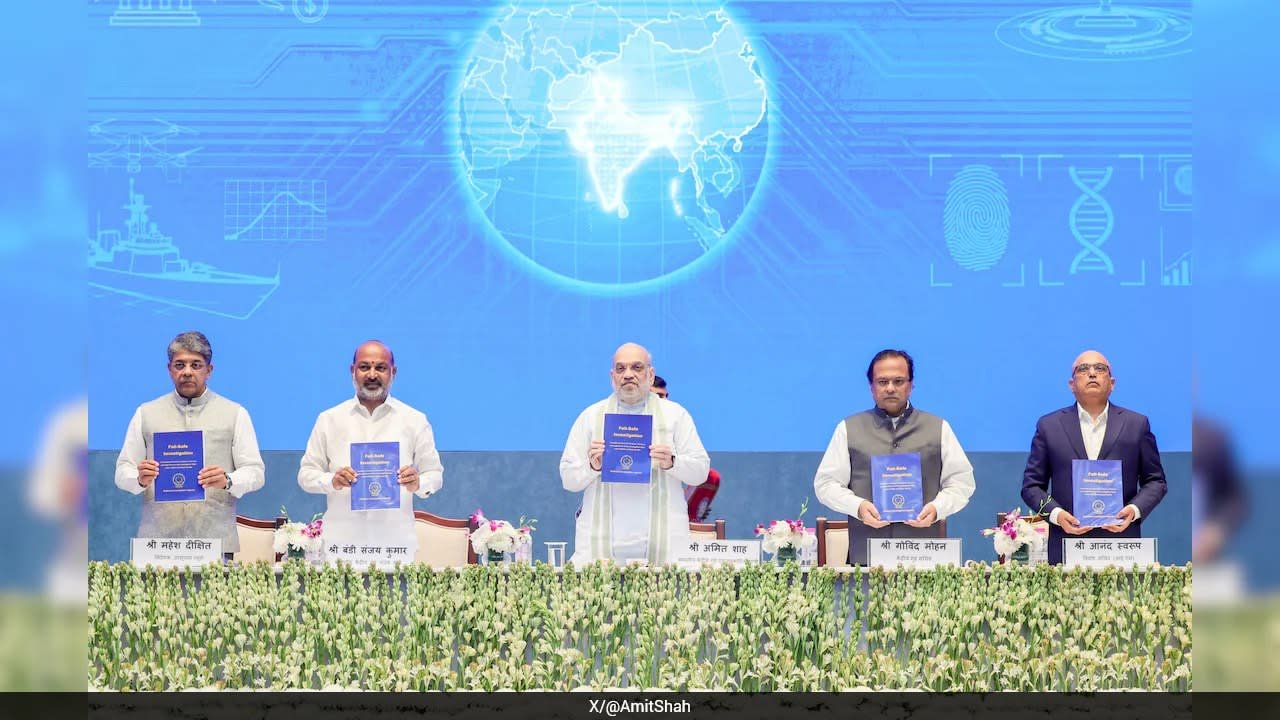
Union Home Minister Amit Shah addressed a two-day conference centered on the theme of cross-border terrorism. He emphasized the urgent need to dismantle networks of terror, organized crime, and drug trafficking to ensure national security.
Addressing the Nexus of National Threats
Union Home Minister Amit Shah recently addressed a pivotal two-day conference dedicated to the critical theme of 'Cross-Border Terrorism.' The gathering served as a high-level platform for security agencies, including the National Investigation Agency (NIA), to deliberate on the evolving landscape of threats facing the nation. By focusing on the intersection of terror, organized crime, and narcotics, the conference underscored a strategic shift toward a holistic security architecture that addresses these interconnected challenges simultaneously.
The Convergence of Crime and Terror
The core of the discussion revolved around the dangerous synergy between transnational criminal syndicates and terrorist organizations. Historically, these entities operated in silos; however, modern security assessments indicate a growing 'nexus' where drug trafficking and organized crime serve as primary funding mechanisms for cross-border terror operations. By disrupting these financial pipelines, the government aims to neutralize the operational capacity of hostile actors before they can execute attacks on domestic soil.
Strengthening the NIA's Mandate
The National Investigation Agency (NIA) plays a central role in this comprehensive strategy. As the primary federal counter-terrorism law enforcement agency, its mandate has expanded to encompass not just the investigation of terror incidents but the systematic dismantling of the logistical networks that support them. The conference highlighted the necessity of inter-agency cooperation, ensuring that intelligence regarding drugs and organized crime is shared seamlessly to prevent the exploitation of porous borders.
Strategic Implications of Cross-Border Threats
Cross-border terrorism remains a multifaceted threat that challenges regional stability and domestic law enforcement. The emphasis placed by the Home Minister suggests a policy of 'zero tolerance' toward any activity that threatens the integrity of the state. This approach involves leveraging advanced surveillance, intelligence-led policing, and rigorous legal frameworks to ensure that both the perpetrators and their institutional enablers are held accountable within the judicial system.
Looking Toward Future Security Trends
Moving forward, the integration of technology and intelligence will be paramount. The conference signaled a move toward a more proactive posture, where security agencies are tasked with identifying emerging patterns in criminal activity that could serve as precursors to terrorist acts. As India continues to strengthen its domestic security apparatus, the emphasis will likely remain on international cooperation to track illicit financial flows and curb the influence of external actors attempting to destabilize the region.
Conclusion
The focus on eliminating the trifecta of terror, organized crime, and drugs represents a significant evolution in India’s internal security strategy. By fostering dialogue among top security officials at the NIA conference, the government is reinforcing its commitment to a secure and resilient nation. The success of this initiative will depend on the continued synchronization of intelligence efforts and the rigorous application of the law against those who seek to undermine national sovereignty.
Verification Required?