7 tallest waterfalls in the world
Source Entity
The Indian Express
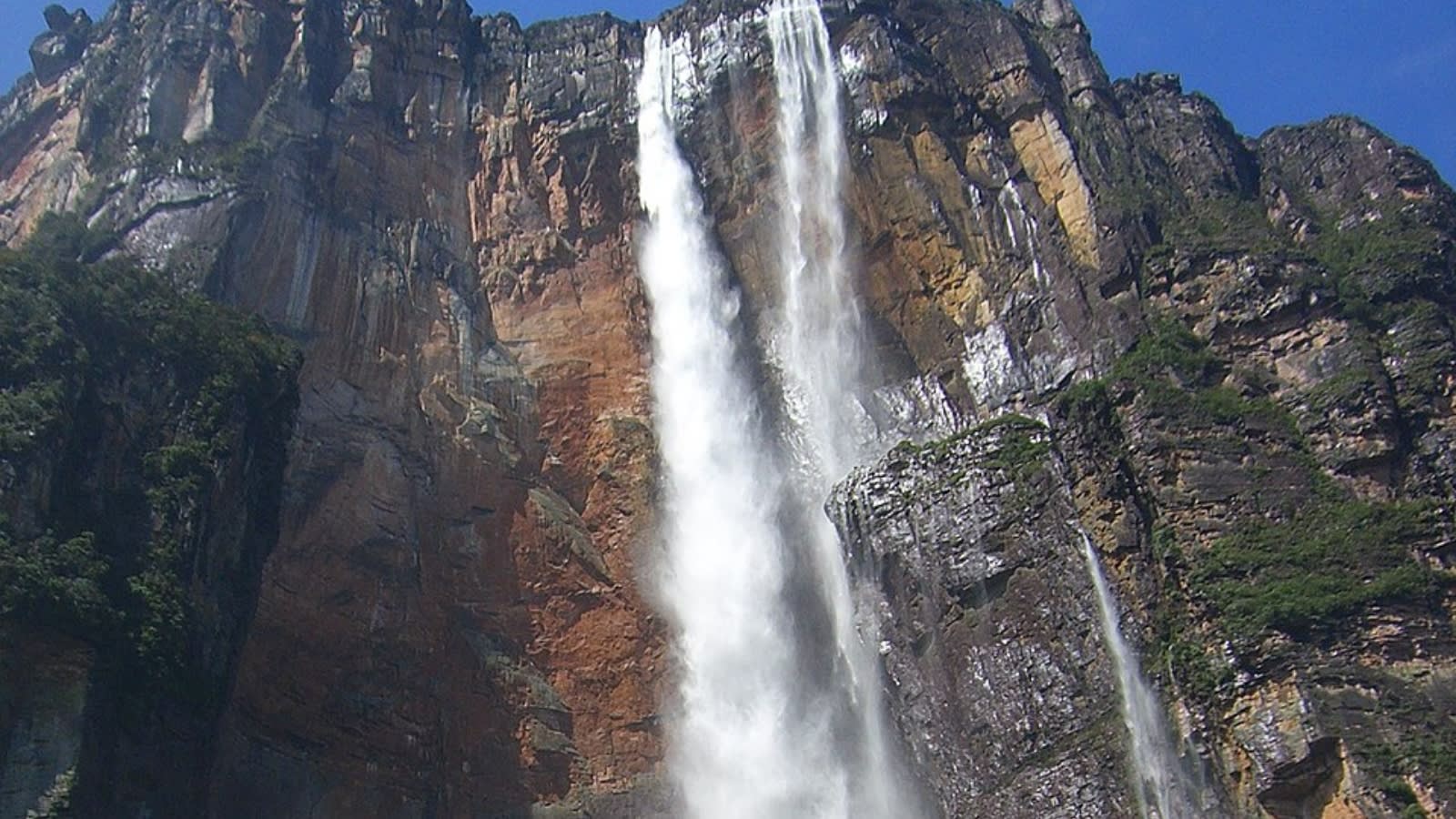
An analytical exploration of the world's tallest waterfalls, examining the geological mechanisms of their formation, the challenges of measuring vertical drops, and the ecological significance of these towering natural landmarks.
The Majesty of Verticality: Analyzing the World's Tallest Waterfalls
Waterfalls represent some of the most dramatic expressions of Earth's geological activity. While many travelers are drawn to the sheer volume of falls like Niagara or Victoria, there is a distinct, awe-inspiring allure to the world's tallest waterfalls. These towering cascades are not merely tourist attractions but are critical indicators of regional topography, tectonic history, and the relentless power of hydraulic erosion. The quest to identify the seven tallest waterfalls in the world involves a complex intersection of geography, exploration, and rigorous scientific measurement.
The Science of Measurement and Classification
One of the most significant challenges in cataloging the tallest waterfalls is the lack of a universal standard for measurement. Geographers often debate whether a waterfall should be measured as a single, uninterrupted plunge or as a series of tiered drops. For instance, the distinction between a 'plunge' waterfall and a 'tiered' waterfall can shift a site's ranking significantly. This nuance is critical when comparing giants like Angel Falls in Venezuela and Tugela Falls in South Africa. The use of modern LiDAR (Light Detection and Ranging) technology has recently allowed scientists to re-evaluate these heights, often revealing that what was once thought to be a single drop is actually a complex system of cascades, thereby altering the global leaderboard of vertical drops.
Geological Origins and Formations
The existence of extreme-height waterfalls is typically the result of specific geological conditions. Most of the world's tallest falls occur where a hard, erosion-resistant rock layer overlies a softer layer, or where tectonic activity has created massive fault scarps. In the case of the tepuis (table-top mountains) of South America, the sheer vertical cliffs are the result of millions of years of erosion acting upon ancient sandstone plateaus. These unique landforms allow water to fall from immense heights without the riverbed carving a gradual slope, maintaining the dramatic verticality that defines the world's tallest cascades.
Ecological Significance and Biodiversity
Beyond their visual splendor, these towering waterfalls create unique micro-ecosystems. The constant mist generated by a high-altitude plunge creates a permanent humid zone, supporting rare epiphytes, mosses, and ferns that cannot survive in the surrounding drier terrain. Furthermore, the sheer height of these falls often acts as a biological barrier, isolating species above and below the falls. This isolation can lead to speciation, where plants and animals evolve independently, making the areas surrounding the tallest waterfalls hotspots for endemic biodiversity and critical sites for biological research.
The Impact of Tourism and Environmental Pressures
As these sites gain fame through "top 7" lists and travel media, they face increasing pressure from human encroachment. The paradox of the tallest waterfalls is that their remoteness—which contributes to their height and purity—also makes them fragile. Increasing foot traffic to these remote locations can lead to soil erosion and the disturbance of sensitive habitats. Sustainable tourism management is becoming imperative to ensure that the pursuit of these natural wonders does not lead to their degradation. The shift toward eco-tourism and regulated access is essential for preserving the pristine nature of these vertical landscapes.
Future Trends in Geographical Discovery
Looking forward, the list of the world's tallest waterfalls is likely to evolve. With the advent of high-resolution satellite imagery and autonomous drone exploration, many previously inaccessible regions in the Amazon basin, the Himalayas, and the African highlands are being mapped for the first time. It is highly probable that undiscovered falls or previously underestimated cascades will emerge, challenging current rankings. This ongoing discovery process underscores the fact that our understanding of Earth's surface is still expanding, and the 'tallest' title remains a dynamic designation subject to new scientific evidence.
Conclusion
The world's tallest waterfalls are more than just breathtaking landmarks; they are windows into the Earth's tectonic and erosional history. From the cloud-shrouded peaks of Venezuela to the rugged cliffs of South Africa, these falls demonstrate the raw power of nature. By combining geological analysis with sustainable conservation efforts, we can continue to appreciate and protect these towering wonders for future generations.