From Anaya Bangar to Imane Khelif: The biggest transgender debates in sport
Source Entity
TOI SPORTS DESK
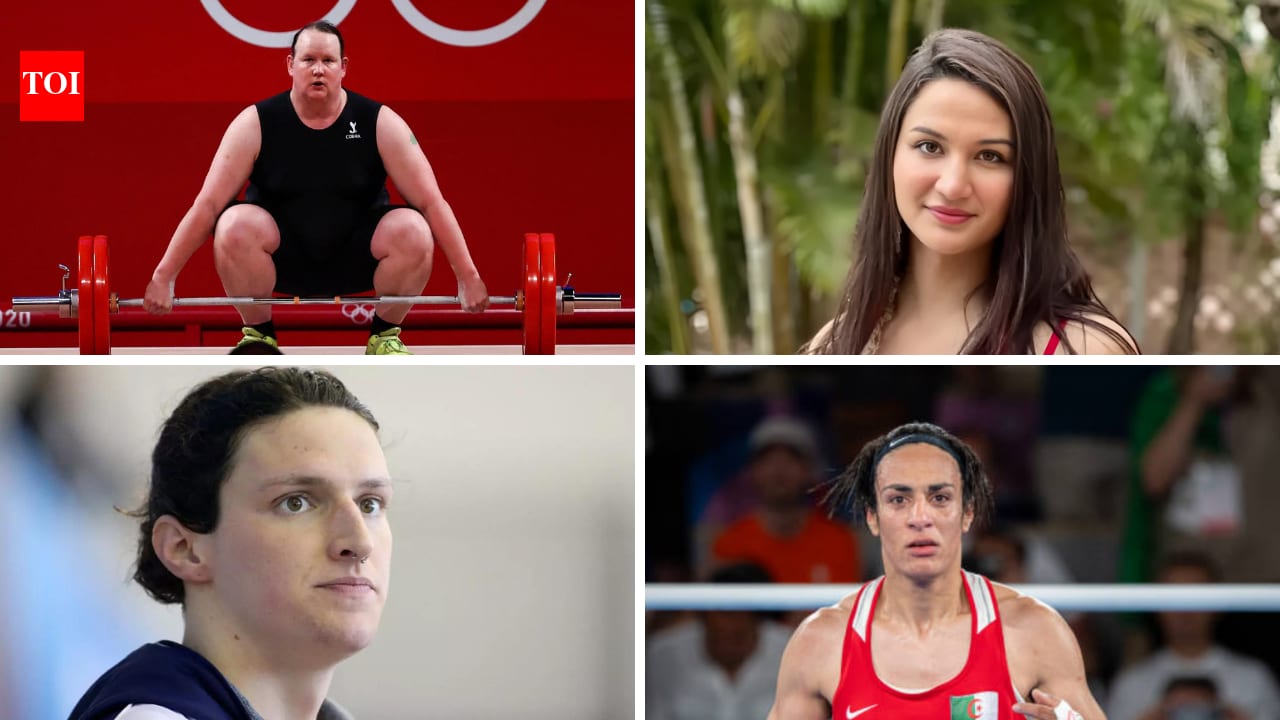
Cricket Australia has cleared Anaya Bangar to return to competitive cricket, sparking a public debate regarding transgender eligibility. South African star Marizanne Kapp criticized the decision, while Bangar urged critics to educate themselves on the complex policy requirements.
The Return of Anaya Bangar: A Catalyst for Policy Debate
Cricket Australia (CA) has officially cleared Anaya Bangar, a former Mumbai Under-19 cricketer, to return to competitive women's cricket. Under the current framework, Bangar is permitted to participate in community-level cricket until March 2027, provided she adheres to strict policy requirements. Following this date, her eligibility for elite levels of the sport will be contingent upon maintaining sustained testosterone levels within prescribed limits. This decision marks a significant development in the governance of gender eligibility within the sport.
The Backlash: Marizanne Kapp’s Stance
The decision has triggered intense scrutiny from within the professional ranks. South African all-rounder Marizanne Kapp publicly criticized the move, labeling CA’s decision as "absolutely ridiculous." Kapp’s intervention highlights the growing friction between inclusive sporting policies and the traditional views held by many elite athletes regarding competitive fairness and physiological thresholds in women's sports.
Bangar’s Response and the Reality of Selection
In response to the criticism, Anaya Bangar has urged her detractors to further educate themselves on the nuances of the eligibility policies. Bangar has been transparent about her aspirations, specifically noting her hope to play in the Women’s Big Bash League (WBBL) by March of next year, provided she remains compliant with the necessary medical benchmarks. Crucially, Bangar has maintained a measured perspective, emphasizing that "eligibility is not selection," noting that being cleared to play does not guarantee a roster spot for any team.
Contextualizing the Global Debate
Bangar’s case is not an isolated incident but rather the latest chapter in a broader, global discourse surrounding transgender and gender-diverse athletes in professional sports. The debate reflects similar tensions seen in other disciplines, such as the involvement of Laurel Hubbard in the Olympics, Lia Thomas’s impact on American collegiate swimming, and the policy shifts surrounding cyclist Emily Bridges. These cases, alongside the recent controversy involving Imane Khelif in boxing, illustrate how sports governing bodies are struggling to balance inclusivity with standardized athletic classifications.
Future Implications for Cricket
As Bangar prepares for a potential return to the field—despite not yet having signed with a local club team—the cricket community faces a period of adjustment. The focus on sustained testosterone monitoring reflects a shift toward evidence-based policy rather than categorical exclusion. However, as the discourse continues to polarize fans and professionals alike, Cricket Australia and other global cricketing boards may find themselves under pressure to harmonize their policies with international sporting standards to ensure consistency and transparency for all athletes moving forward.
Multiple Citing Sources